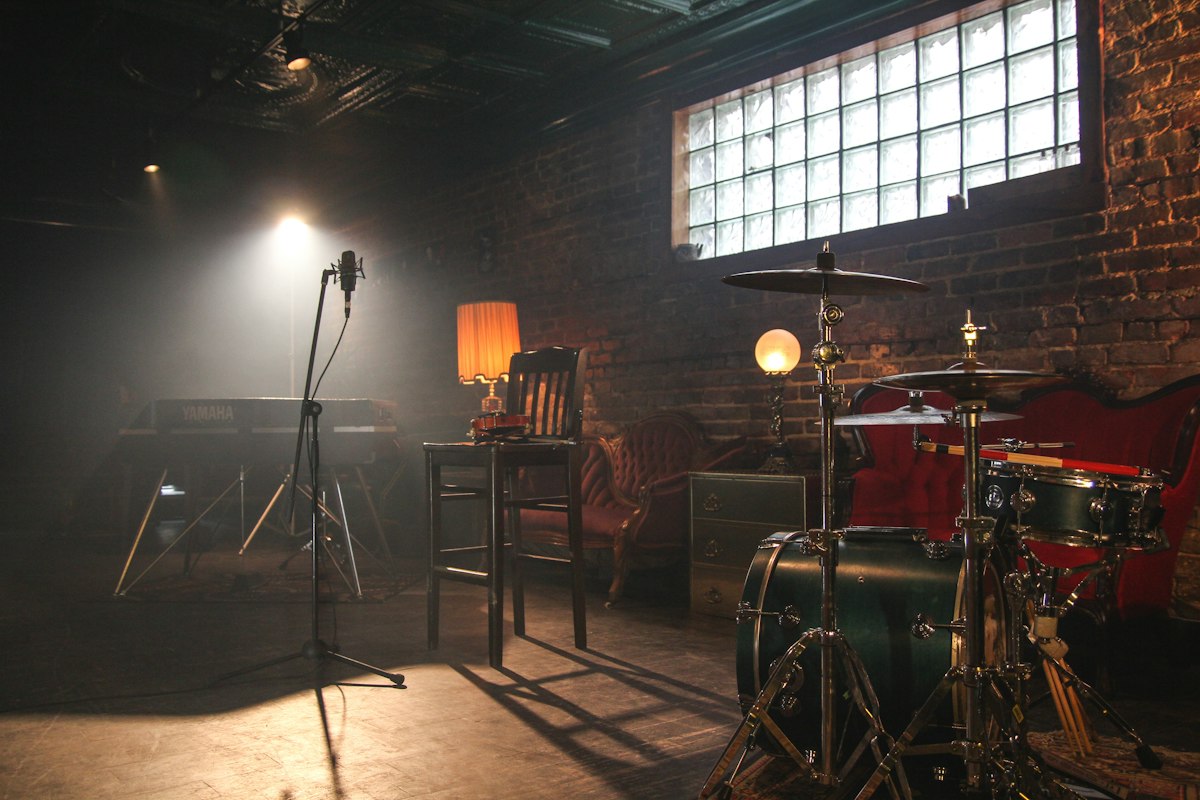
Descend the narrow staircase on a backstreet in Shinjuku's Golden Gai, duck under the low doorframe, and you find yourself in a room barely large enough for a piano, a bass, and a drummer. The ceiling is plastered with concert flyers from 1974. The man behind the bar has been pouring whisky here for forty years. On the tiny stage, a quartet launches into a breakneck version of "Giant Steps" that silences every conversation in the room.
This is Tokyo's jazz underground — a network of listening rooms, basement clubs, and bar-venue hybrids that has been running without interruption since American servicemen introduced the music during the post-war occupation. What happened next was unexpected: Japan didn't just adopt jazz. It became, arguably, its most devoted custodian.
The numbers are remarkable. Tokyo alone has more jazz venues per square kilometre than New York City. The country presses more jazz vinyl than any nation outside the United States. Collector culture is intense — original Blue Note pressings fetch astronomical prices at specialist shops in Shimokitazawa, and the record store owners who curate these collections are treated with the reverence usually reserved for artists.
But the real story is not in the collecting. It's in the listening. Japanese jazz club culture enforces a silence and attention that can unsettle first-time visitors. You do not talk during the music. You do not check your phone. You sit, drink slowly, and listen. Club owners have been known to ask chattering customers to leave, politely but firmly. The music is the reason you are here.
Shinjuku Pit Inn, which opened in 1965, is perhaps the most storied of these spaces. It has hosted every significant jazz figure who has visited Japan and incubated dozens of Japanese musicians who went on to international careers. The programme runs every evening without exception, mixing international touring acts with Tokyo-based players of extraordinary technical accomplishment.
Equally significant is the Shimokitazawa scene — a residential neighbourhood west of Shinjuku that became a bohemian hub in the 1970s and has resisted gentrification through a combination of community organisation and sheer bloody-mindedness. Its jazz clubs are smaller and more experimental than Pit Inn, and it is here that the music's future in Japan is being negotiated between revivalists and innovators.
For visitors, the advice is simple: skip the tourist-friendly jazz bars of Roppongi Hills with their cover charges and cocktail menus, and go instead to the places that smell of old wood and cigarettes and forty years of serious listening. Buy a ticket, order a whisky, and do not talk during the music. You will leave a different person.