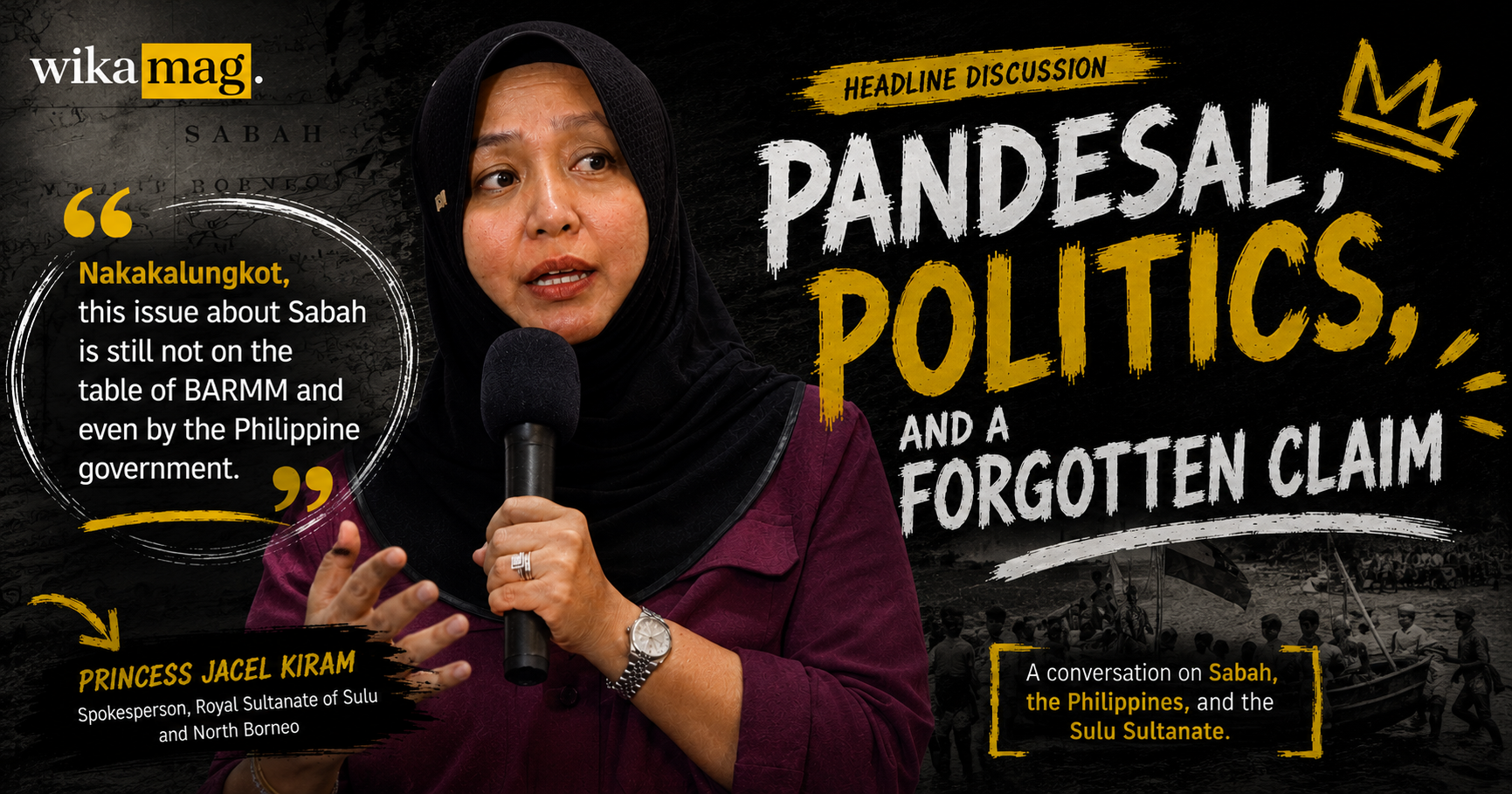
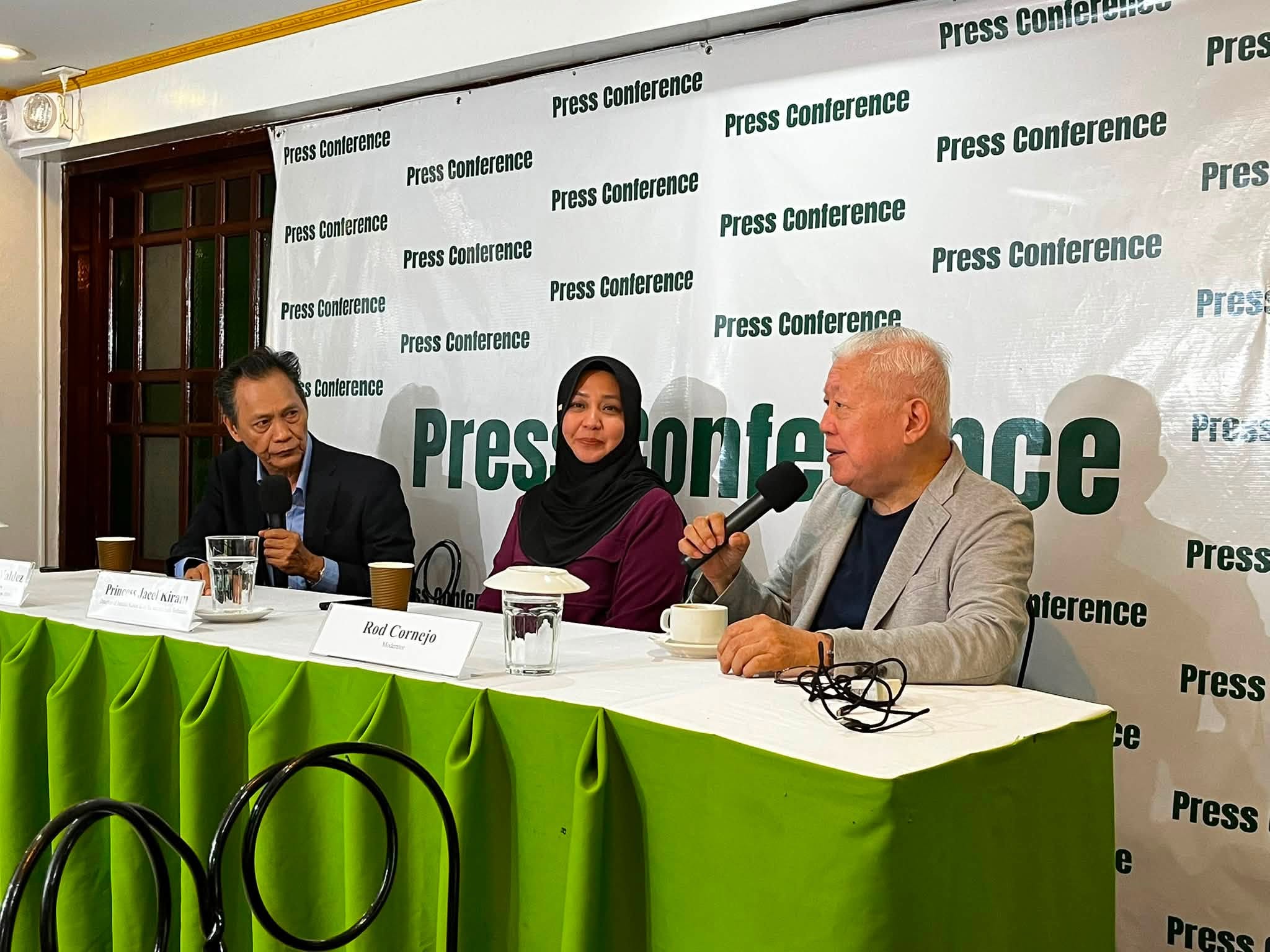
Held at Kamuning Bakery's long-running Pandesal Forum, the discussion gathered lawyers, political analysts, media personalities, and one of the country's most persistent voices on one of its oldest unresolved territorial disputes: Princess Jacel Kiram, daughter of the late Sultan Jamalul Kiram III.
The forum's question was deliberately provocative: Can the Philippines still pursue its claim over oil-rich Sabah?
It exists somewhere between history and diplomacy—a territorial claim officially maintained by the Philippine government, yet carefully managed to avoid damaging relations with Malaysia. Every administration inherits it. Few openly campaign on it. Fewer still are willing to explain it to Filipinos.
Yet one woman refuses to let the conversation disappear.
Princess Jacel Kiram, daughter of the late Sultan Jamalul Kiram III, has spent more than a decade becoming perhaps the most recognizable face of the Sabah claim. Since the 2013 Lahad Datu incident, she has traveled across universities, legal forums and international conferences arguing that the claim deserves not only historical remembrance but legal reconsideration.
A claim older than Malaysia itself
The Philippine claim traces its roots to the Sultanate of Sulu.
In 1878, the Sultanate entered into an agreement with the British North Borneo Company. Whether that agreement constituted a lease or a permanent cession remains the central legal dispute more than 140 years later. The Philippines maintains that sovereignty was never transferred outright.
Malaysia argues the opposite—that the agreement ceded the territory and that Sabah lawfully became part of Malaysia in 1963 after a United Nations-facilitated process that assessed local sentiment before the federation was formed. Those two competing interpretations remain fundamentally irreconcilable.
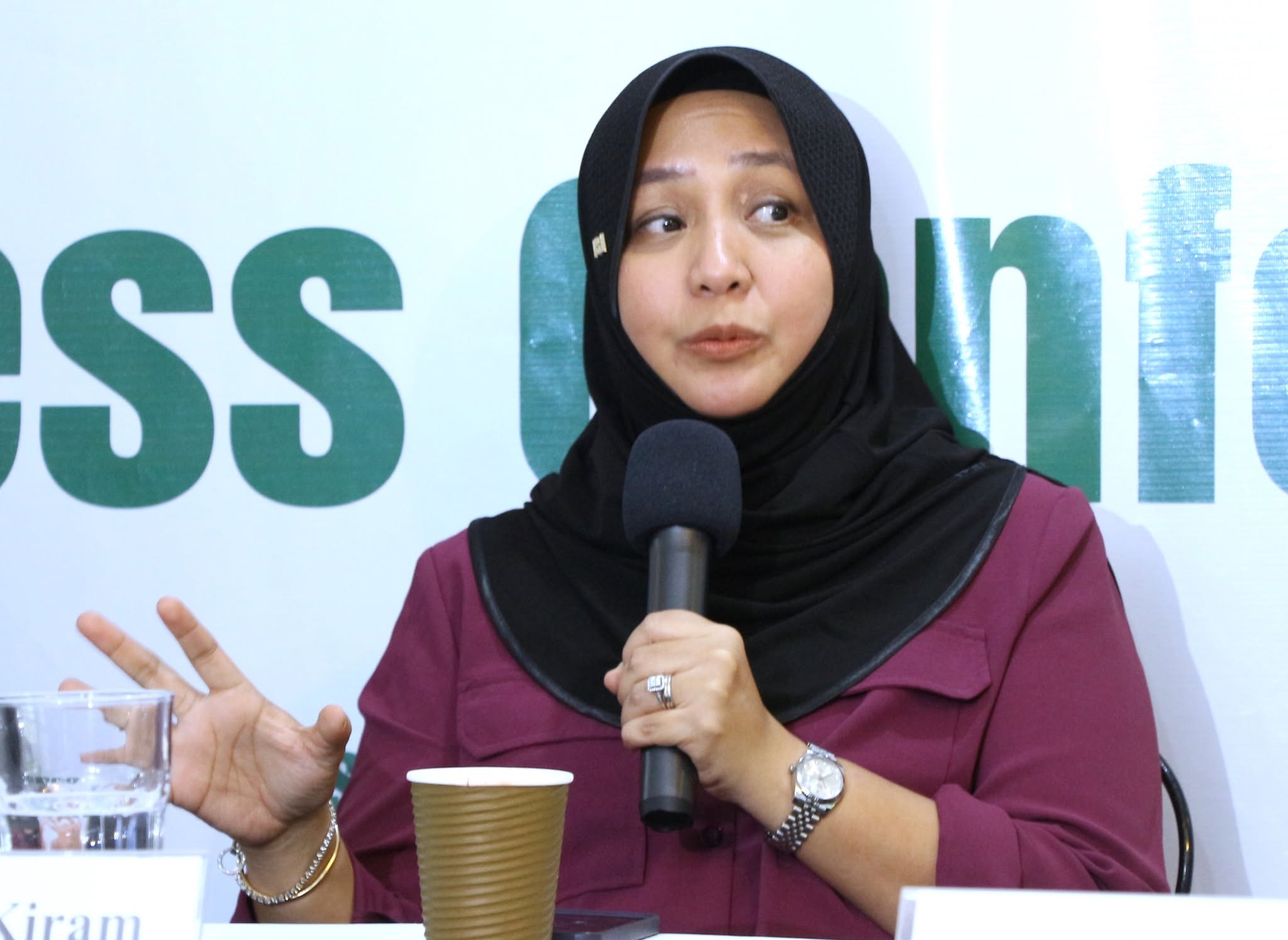
Photo by Mark Nilo Odiaman
Where does the Philippine government stand?
The Philippine government occupies a delicate position. It continues to maintain the country's historical claim over Sabah. Yet it has also emphasized that the private arbitration pursued by heirs of the Sultanate is separate from the Republic's sovereign claim.
More recently, the Department of Foreign Affairs reaffirmed that the Philippines has not abandoned its claim.
DFA Maritime Affairs spokesperson Rogelio Villanueva stated:
"The Philippines maintains its claim over Sabah."
The statement came amid renewed public discussion over official Philippine maps depicting Sabah. President Ferdinand Marcos Jr. has likewise avoided abandoning the claim while also prioritizing stable diplomatic relations with Malaysia.
During the Pandesal Forum along with Political Analyst Atty: Amado Valdez and Broadcaster Rod Cornejo, Kiram shared that she campaigned for Ferdinand Marcos Jr. during the 2022 presidential election because she believed he would continue pursuing the Sabah claim, as his father had done. She also added ''Nakakalungkot na itong issue about Sabah is still not on the table of BARMM and even by the Philippine government''
A battle measured not only by victory
Whether Princess Jacel Kiram ultimately succeeds may not be the only question worth asking. Some causes are pursued because victory appears certain. Others are pursued because their advocates believe history deserves to be remembered, regardless of the odds.
The international law presents two competing principles.
One is historical sovereignty, which underpins the Philippine position inherited from the Sultanate of Sulu. The other is self-determination—the principle that people should determine their own political future.
Perhaps the hardest question is also the most uncomfortable one.
If Sabah were subjected to another internationally recognized plebiscite today, would its residents choose to join the Philippines after more than six decades as part of Malaysia?
We live in an era when even the Philippine government often avoid difficult conversations in favor of diplomatic convenience, Jacel Kiram continues to force one uncomfortable question into public view:
What happens to a nation's historical claim when its own people stop talking about it?
The answer may determine not only the future of Sabah, but whether one of Southeast Asia's oldest territorial disputes remains alive—or quietly fades into history.
Hosted by Kamuning Bakery owner Wilson Lee Flores, the Pandesal Forum has become one of Metro Manila's longest-running public affairs discussions, regularly bringing together policymakers, academics, and public figures.