Defining Honorablé: Trans Identity and the Philippine Campaign Trail
Wika · Culture · July 8, 2026
An intimate look at the women redefining Philippine politics, one ballot at a time.
Honorablé, winner of Best Documentary at the 2026 Manila South East Academy International Film Festival, follows Miel Agustin from Malolos, Bulacan, and Benje Diones from Zamboanga City and their run for city councilor in the 2025 elections. Directed by Rhadem Musawah and co-directed by Palanca Awardee Francis Tanglao Aguas, it is an intimate portrait of what it means to be openly transgender in politics in a predominantly Catholic country. The film is remarkably heartfelt, inviting us into not only the candidates’ relentless efforts but also the lives of the families, friends, and volunteers who carry the weight of the campaign alongside them. It never loses its sense of humor, finding moments of genuine levity amid the uncertainty, which only makes its emotional beats land with even greater force.
Agustin wins and steps into the work she campaigned to do. She won with the support of those who looked past her identity and focused on her track record. Diones unfortunately falls short, but her work continues, nonetheless. She returns to the daycare she runs from her own home, serving as a Child Development Teacher in the community that had always been her first constituency. The documentary is also anchored on the reflections of Bataan Congresswoman Geraldine Roman, the first openly transwoman member of Congress. She offers a seasoned perspective on the challenges and compromises that accompany leadership in public office.
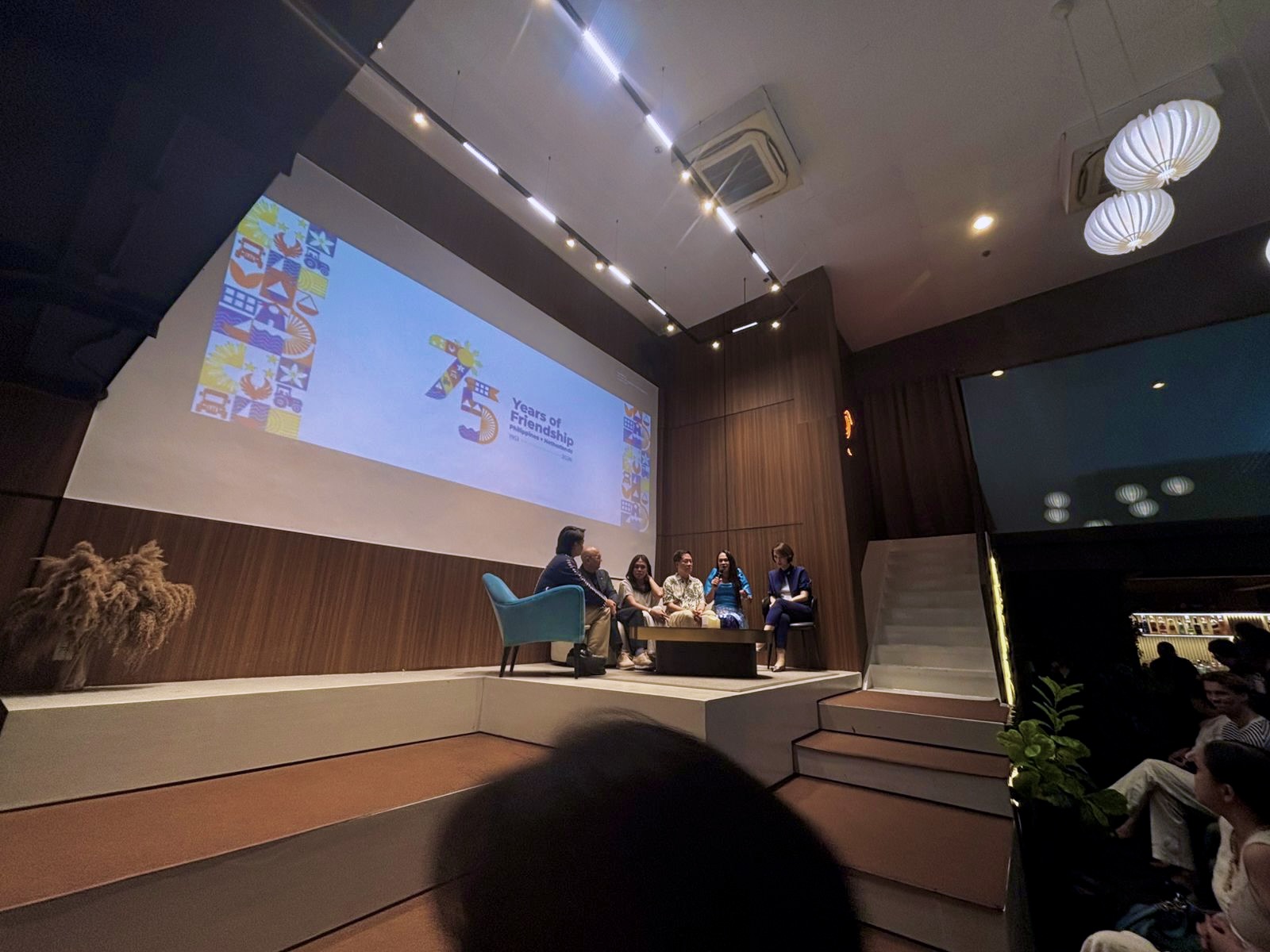
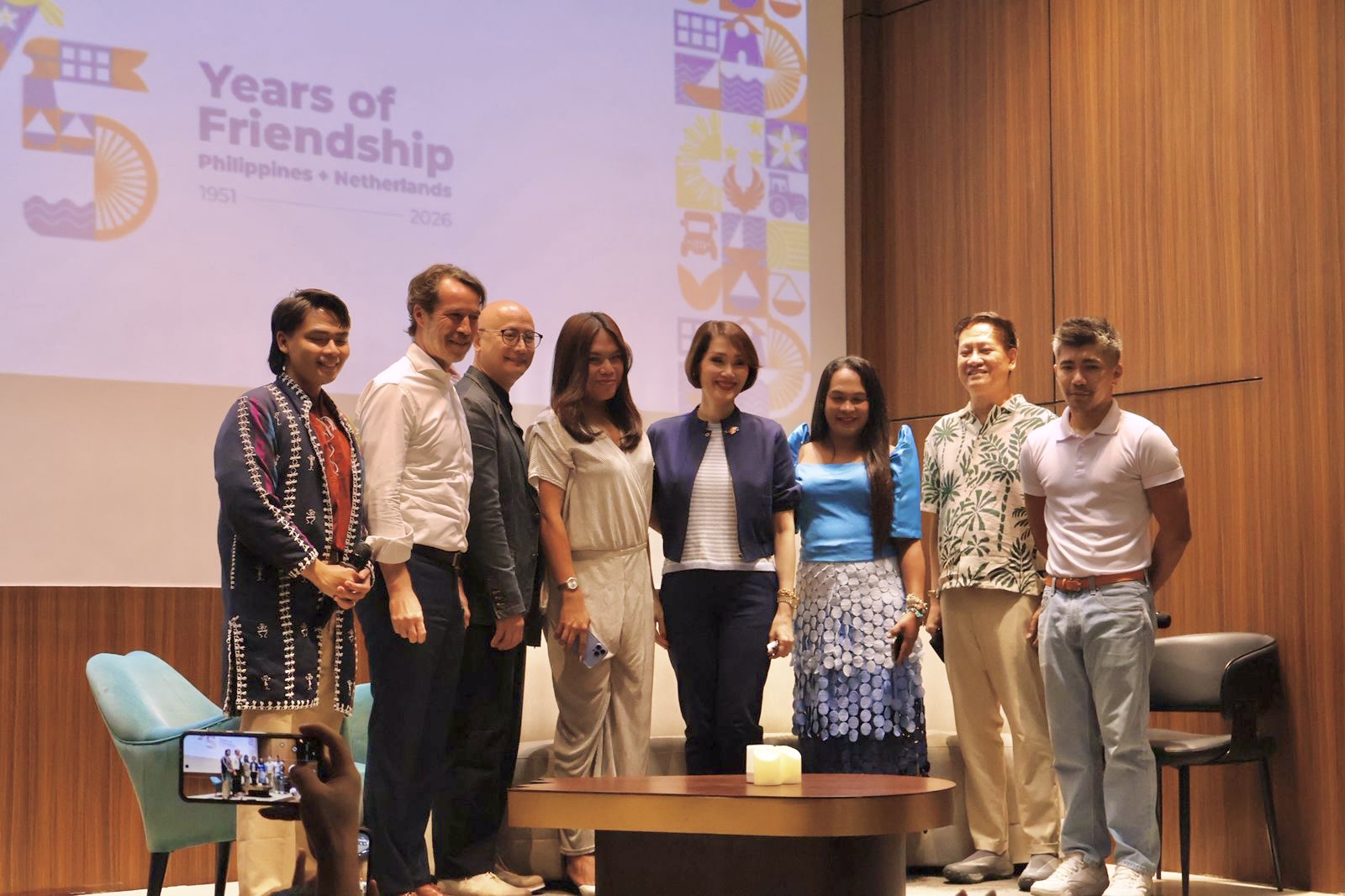
The film screened at Pride in Politics, a forum presented by Pride PH and the Embassy of the Kingdom of the Netherlands in celebration of 75 years of Philippine-Dutch diplomatic relations. Filmmakers, advocates, and public servants gathered to reflect on the film and their shared experiences on the realities of LGBTQIA+ leadership and the ongoing fight for meaningful representation. Joining the post-screening discussion were Francis Aguas from Drexel University and Danton Remoto from Ladlad Partylist.
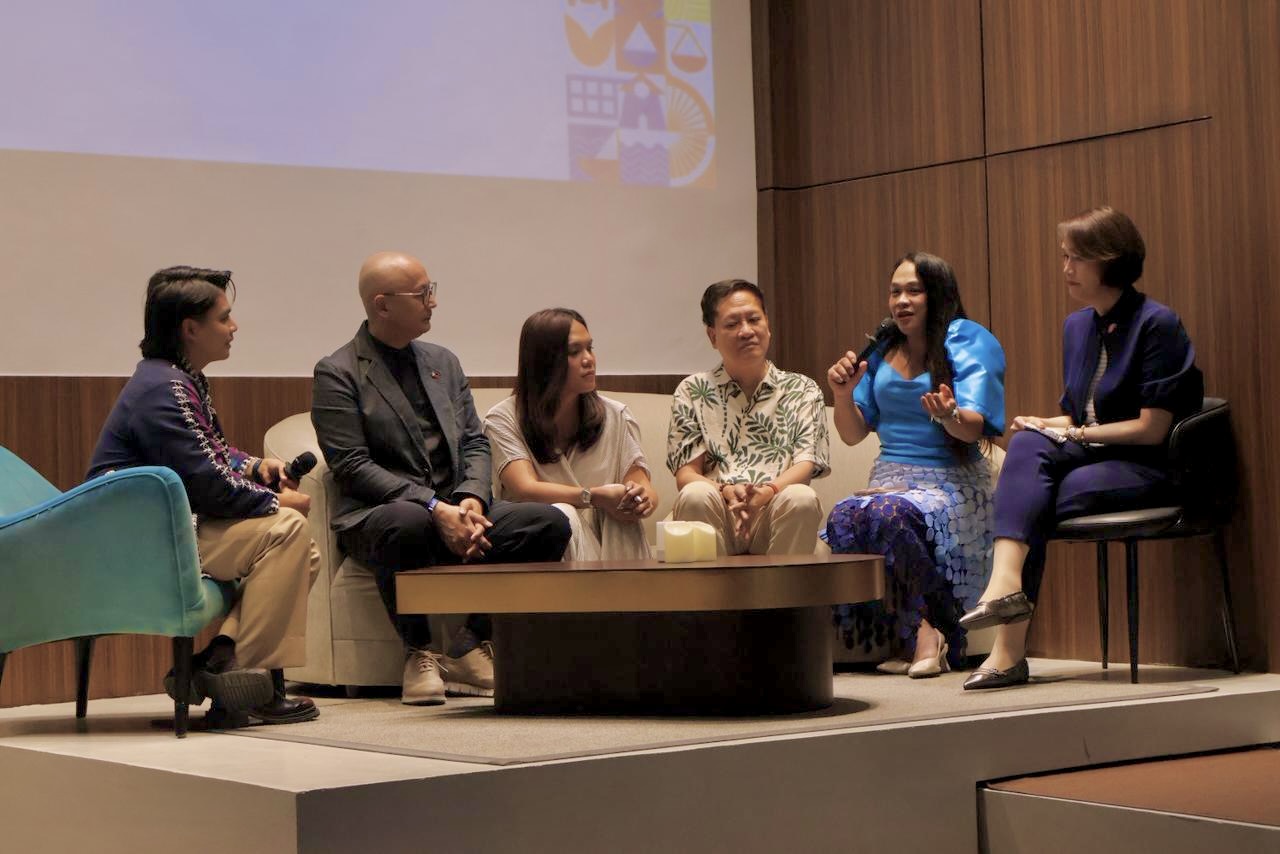
If the film asks what it takes to run for office as a transwoman, the open forum asks what comes after victory. Congresswoman Roman did not romanticize the experience, noting that being known as the "transgender congresswoman" was never something she sought, yet it became unavoidable the moment she won. Once attached, she could not set that label down; instead, she found herself constantly defending her right to lead. As she directly named it: "We are always in a position to prove to the world that we are valid, and we have something to contribute to society." For Roman, this reality persists through every term. She is expected not only to govern effectively but also to carry the burden of representation, knowing that any perceived misstep can be used to reinforce prejudice against the LGBTQIA+ community.

Remoto elevated the discussion by framing the fight not just as a policy struggle, but as a continuation of the Filipino’s revolutionary spirit. "The community are champions," he asserted, rejecting the "underdog" label entirely. "They're leading the world." Remoto insisted that by claiming this space, the community is not asking for permission. LGBTQIA+ Filipinos have long been the ones organizing and leading, and this current fight is their way of finally proving their indispensable value to the nation.
By the end of the night, Honorablé had become more than a documentary about three transgender women in public office. It had become a call to confront the realities that continue to shape LGBTQIA+ political participation. The conversation did not shy away from the divisions within the community. Still, it ended with a shared conviction that meaningful change begins with recognizing these challenges for what they are.
And that's really the hope sitting underneath all of it. For more than two decades, advocates have fought for the passage of the SOGIE Equality Bill. Roman has been among those carrying that fight in Congress, helping bring the measure further than ever before, yet it still has not become law. The Philippines is comfortable with embracing queer Filipinos when they entertain, perform, or make people laugh, but is far less comfortable standing behind them when they demand equal rights. Perhaps that will change with time. Until then, the hope lies in more people like Roman, Agustin, and Diones choosing to run anyway, making LGBTQIA+ leadership increasingly visible until it is no longer treated as an exception, but as an ordinary part of public service.
Honorablé is set to premiere before European audiences on July 26, 2026, starting at WorldPride x Asian Pride Cinema in Amsterdam and Stockholm. It will later make its Latin American premiere at FICDEH, the biggest Human Rights International Film Festival in Colombia.