The Philippines has never been an easy place for makeup. For years, beauty lovers made do with products that performed beautifully elsewhere but didn’t always hold up in a tropical climate. A full face might look flawless before leaving the house, but after a stressful commute or a walk under the afternoon sun, it would have melted away completely. Keeping your makeup on became almost as important as putting it on in the first place.
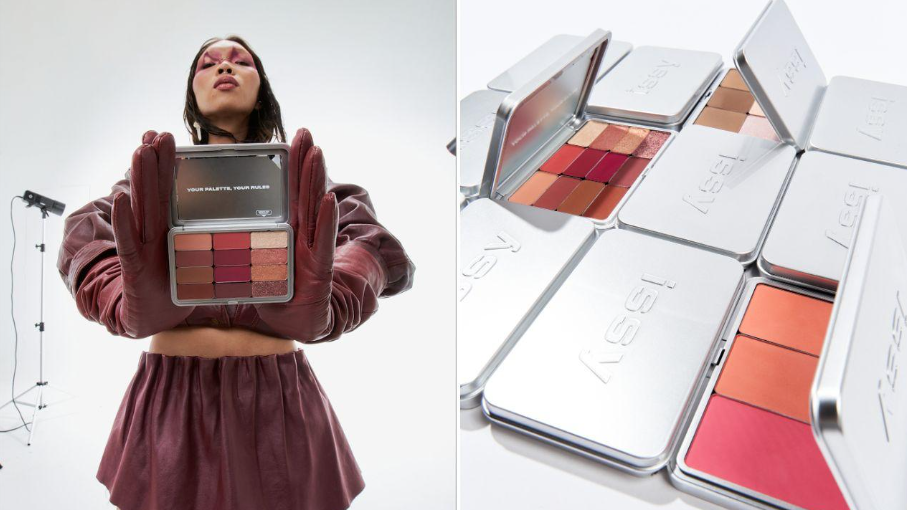
Photo courtesy of Issy
The products weren’t necessarily bad. They just weren’t made with the Philippines in mind.
For the longest time, Filipinos looked abroad for the next holy grail. Korean beauty promised us glass skin. French pharmacy staples earned cult status. American brands dominated our wish lists. Like much of the industry, the Philippines looked outward for what was next.
Today, more Filipinos are looking closer to home.
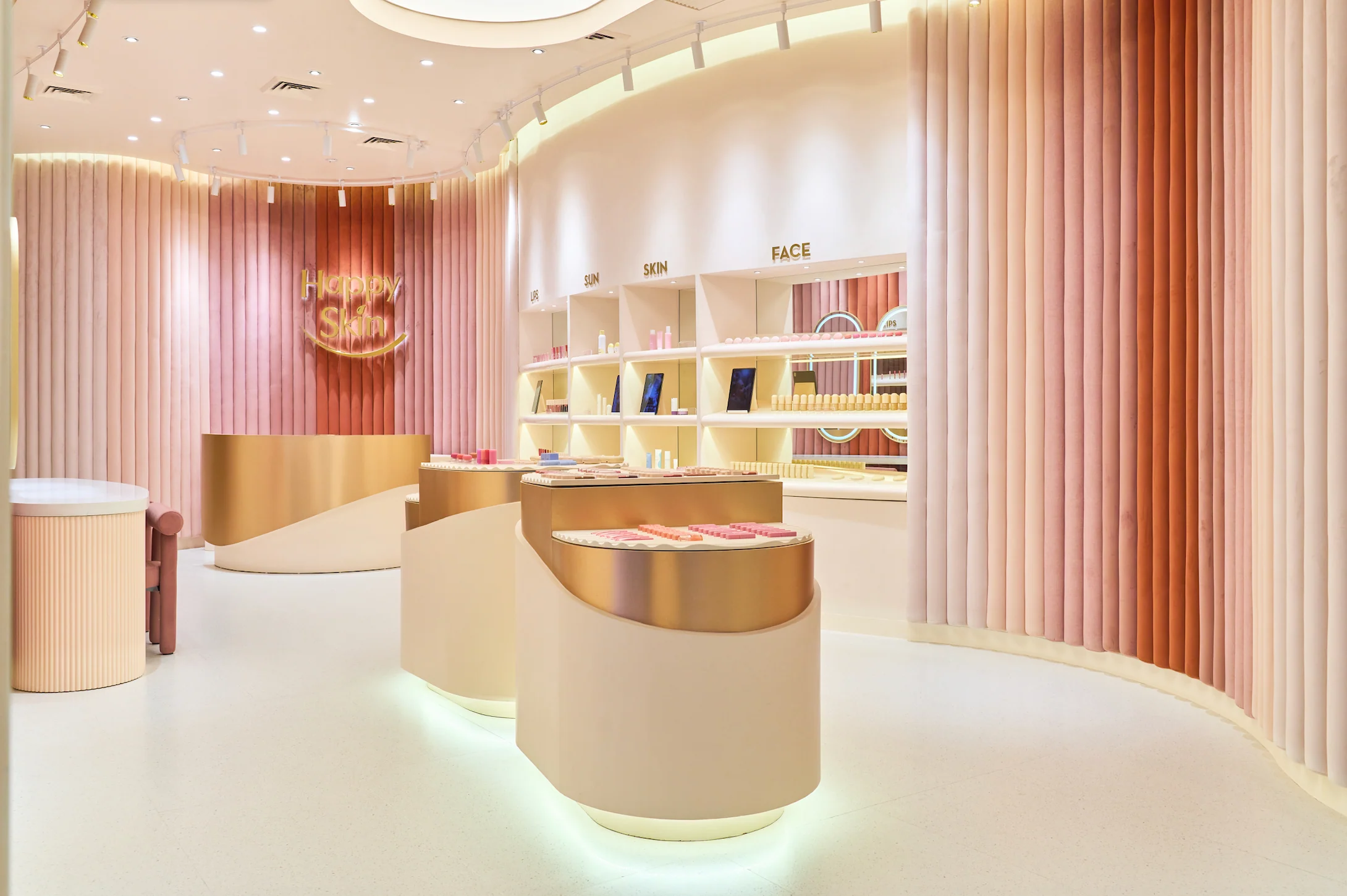
Homegrown brands like BLK Cosmetics, Happy Skin, Issy, and Teviant are no longer seen as the affordable alternative to international labels. They’re becoming the first choice for many consumers, not because they’re local, but because they’ve built a reputation for quality and thoughtful branding.
When BLK Cosmetics launched in 2017, co-founder Anne Curtis said the goal was never to create makeup that was merely affordable. "There's always been such a big gap when it comes to affordable makeup that's of quality, " she told Preview.ph at the time. "So we wanted to be at that mid-range where you have both quality products and amazing packaging that's still affordable."
That shift comes at a time when beauty purchases have become more intentional. Spending P500 or more on a single makeup product isn’t a small expense anymore. If a product is going into your makeup bag, it has to earn its place there. Consumers want products that are worth every peso, whether that means a concealer that won’t melt in an hour or a lipstick that doesn’t need to be reapplied every few minutes.
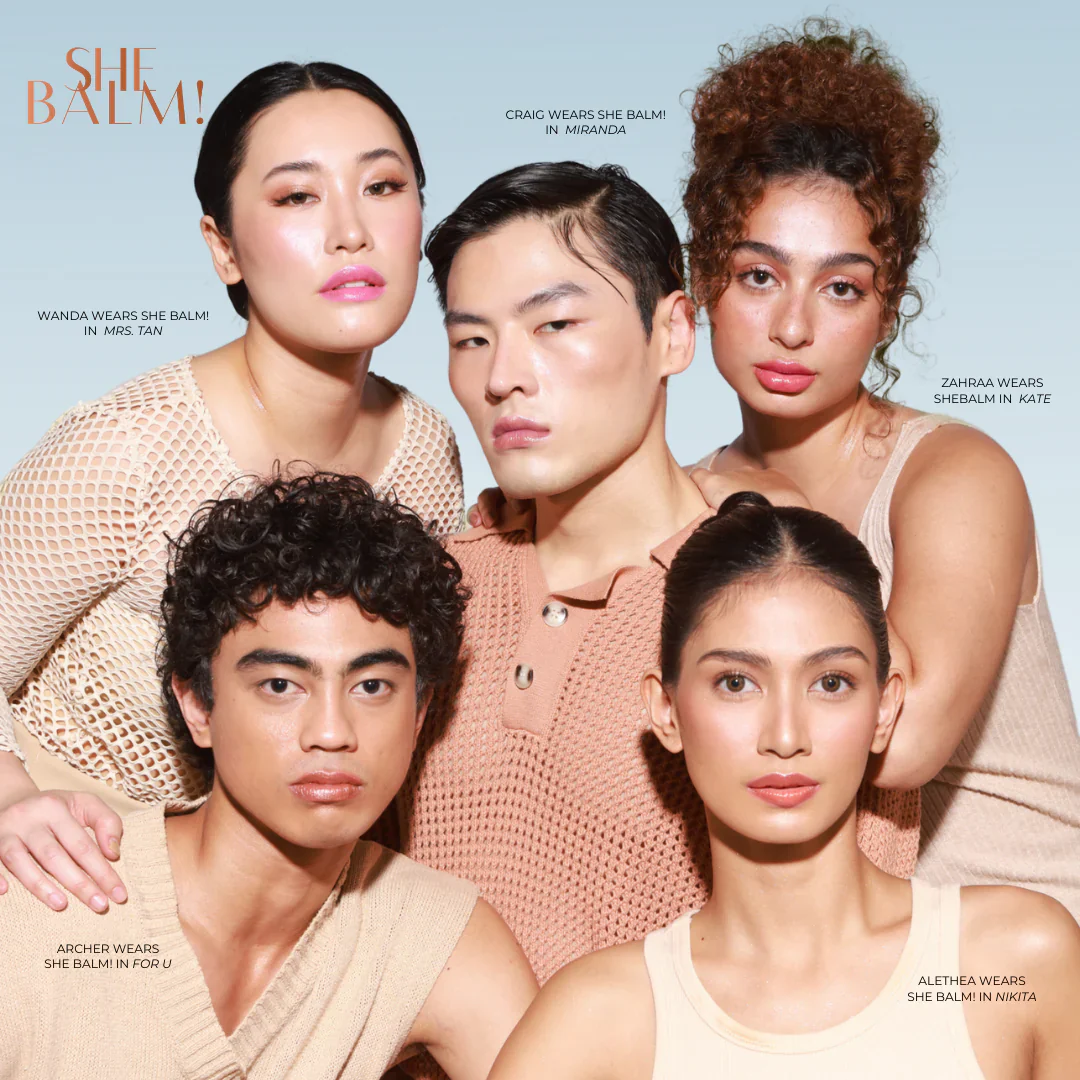
Photo courtesy of Teviant
It's a demand that's showing up in the numbers, too. The Chamber of Cosmetics Industry of the Philippines (CCIP) expects the personal care and beauty sector to grow another 9 to 10% this year, matching last year's pace — growth CCIP president Janina Tan attributed to a younger consumer base and wider access to brands through e-commerce, in a report by BusinessWorld.
But P-Beauty’s rise isn’t just about better products. It’s also changing who gets to see themselves reflected in beauty.For years, the local beauty industry largely revolved around lighter skin. Morena consumers often struggled to find shades that matched their skin tone, while whitening products dominated advertisements and store shelves. Beauty campaigns rarely reflected the diversity of Filipino skin tones, leaving many consumers to adapt products that were never designed for them. That narrative is beginning to change.
Beauty creator Samantha Gutierrez says she’s happy to see local brands prioritizing Filipino skin tones and creating products that make sense for local consumers, rather than simply recreating trends from abroad. As a morena creator, she says that the shift has encouraged her to embrace her complexion even more — so much so that international followers now message her asking when her favorite Filipino brands will finally ship overseas. The change goes beyond shade ranges. Campaigns today feature morena models, and beauty marketing is slowly moving away from the long-held idea that lighter skin is the standard.
Instead of asking Filipinas to fit a particular image of beauty, local brands are expanding that image to include the people who were often overlooked. Issy co-founder Joel Andrade recalled that the team hadn't initially realized how underserved morena consumers were. "Little did we know we were opening this space where so many morenas felt underrepresented," he told Allure Philippines. "Because no one was getting their shade." As local brands gained a better understanding of their audience, they also began changing perceptions of what Filipino beauty could be.
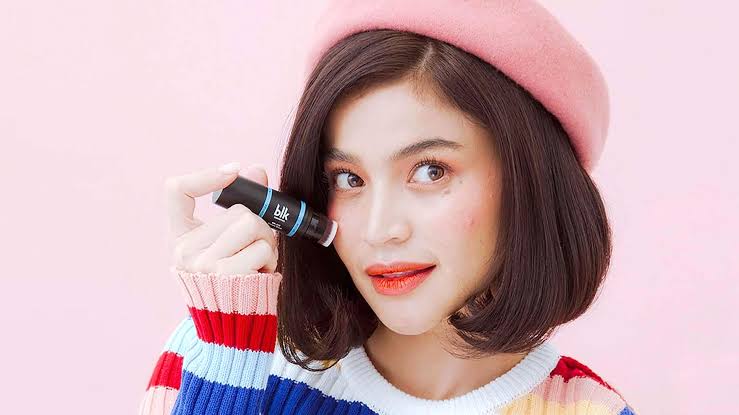
Photo courtesy of BLK
Not long ago, buying local makeup often meant compromising. Imported brands were seenas the benchmark, while homegrown products were treated as budget-friendly alternatives. Today, creators say that conversation has changed.
Beauty TikTok creator Milo Pumaren says Teviant’s concealer compares favorably to Western brands in both coverage and longevity. Although he’s also quick to point out where local brands still fall short, particularly when it comes to packaging. He avoids using or promoting brands with flimsy packaging, he says, because it might burst open in people’s makeup bags. Gutierrez, for her part, believes some local formulas outperform international brands altogether.
The transformation isn’t limited to the products themselves. Branding has become more refined, and collaborations more ambitious. Happy Skin’s recent partnership with David Guison for a men’s collection reflects how local brands are expanding their audience while continuing to experiment with new ideas.
P-Beauty still has room to grow. As the industry matures, standing out will depend less on going viral and more on solving the everyday frustrations that got P-Beauty here in the first place. The next challenge may be scale: can local brands grow their supply chains as fast as their reputations are growing abroad? It’s not simply that Filipino brands have become better at making makeup. They’ve become better at understanding the people they’re making it for.
After years of looking abroad for the next beauty trend, Filipino consumers are proving that the next wave of beauty doesn’t have to come from somewhere else — it may have been here all along.