Fête de la Musique 2026: An Enduring Cultural Event Strengthening Arts and Community
Donna Patricia Manio · Culture · June 21, 2026
Thirty-two years on, Fête de la Musique 2026 proves music still unites—bringing together icons, new voices, and communities across the Philippines.
A cultural event that remains relevant and beloved after 32 years says something about the people who keep it alive.
There is devotion in that kind of longevity. There is optimism, too—the enduring belief that music and the arts have the power to bring people together, even in a world that often feels fragmented and hurried. But perhaps what has allowed Fête de la Musique to evolve from a single celebration into a nationwide movement is something much simpler: community. Artists, organizers, audiences, and volunteers have all sustained this tradition, and in turn, the community has embraced it as its own.
This year, Fête de la Musique Philippines returned bigger, bolder, and more inclusive than ever. Organized by Alliance Française de Manille and supported by the Embassy of France to the Philippines, the festival expanded to 34 locations across the country and mounted 123 events, ensuring that there was something for every music lover, regardless of genre or geography. More than simply presenting concerts, Alliance Française de Manille has spent decades fostering cultural exchange and nurturing artistic dialogue between France and the Philippines, making Fête one of the country's most enduring celebrations of creativity.
This spirit of inclusivity was felt most strongly at the Main Stage last June 20, where the lineup itself became a reflection of what Fête has always stood for: a gathering where no single sound dominates, and where vastly different voices coexist, each contributing to the larger rhythm of the community.
Fitterkarma
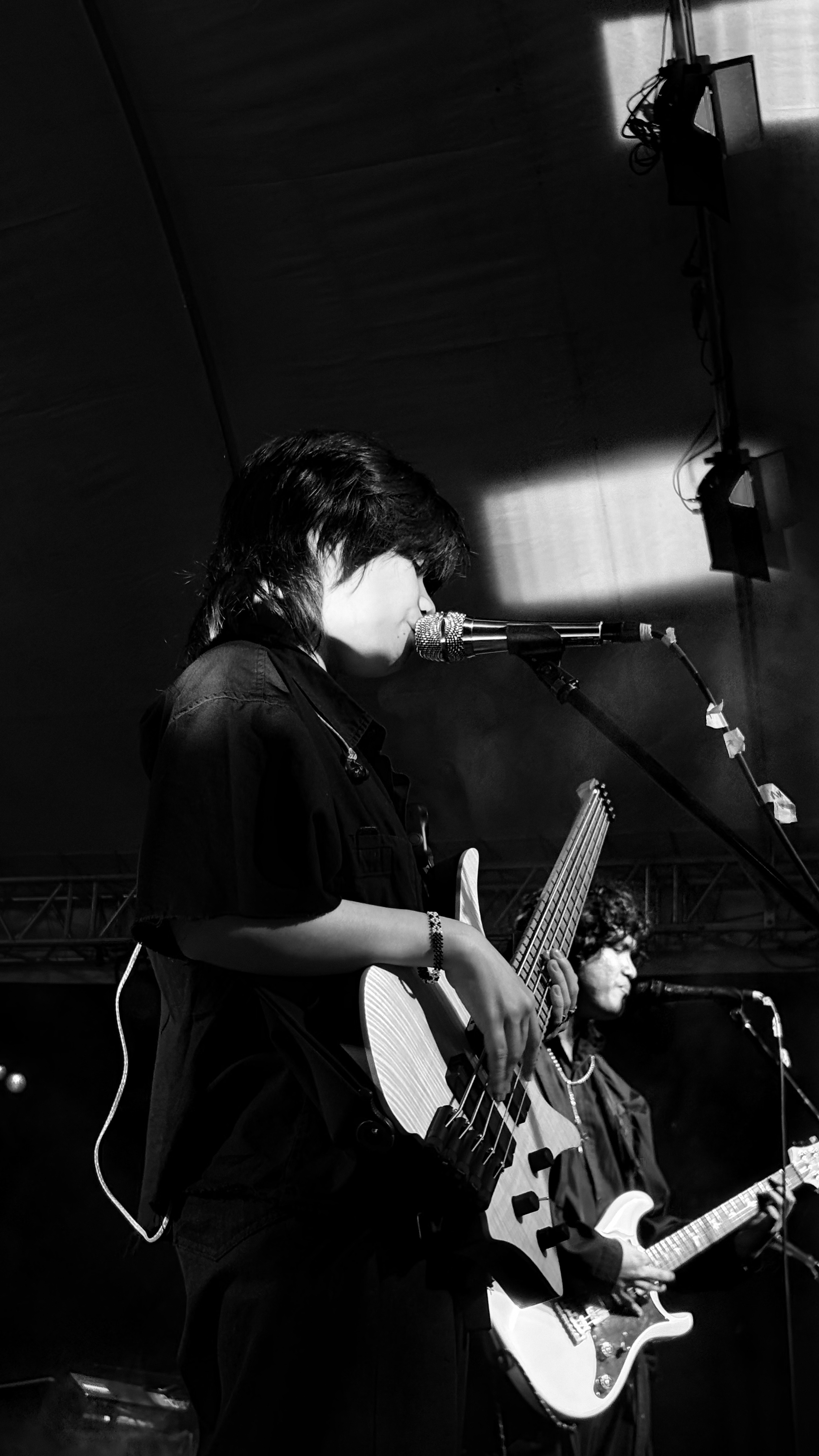
Among the artists making their Fête de la Musique debut was Fitterkarma, one of the most exciting names in the country's emerging alternative scene. Known for emotionally charged songs and a sound that balances vulnerability with intensity, the band brought youthful energy and sincerity to the Main Stage. For the group, performing at Fête carried special significance. They spoke of being excited to share the stage with musicians from different genres and backgrounds, and expressed hope that the festival continues to encourage artists to keep creating and supporting one another. In many ways, their presence captured the spirit of a new generation finding its voice through community.
Morobeats
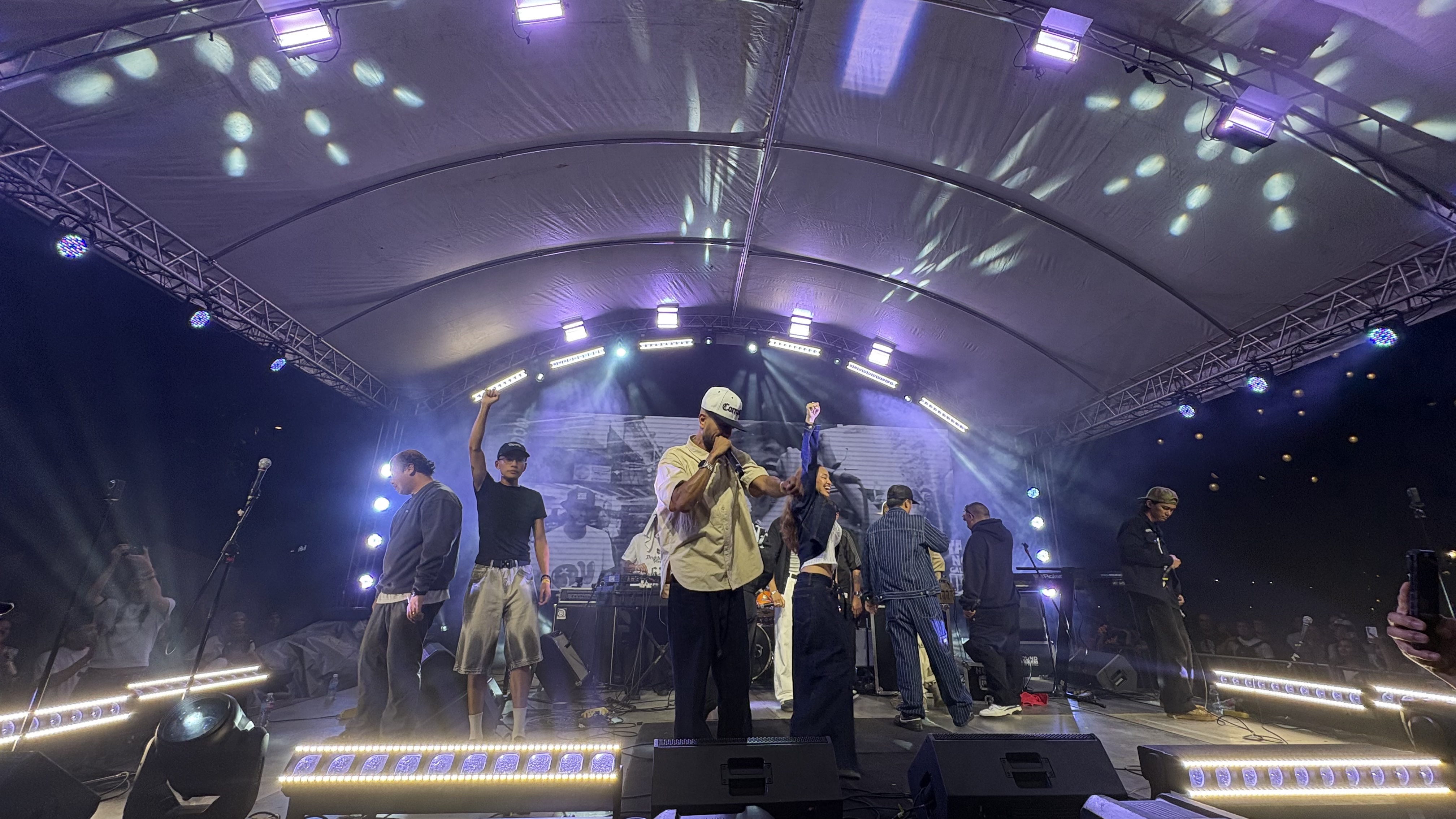
Already enjoying legendary status in Filipino hip-hop, Morobeats brought both swagger and substance to the evening. Hailing from Mindanao, the collective has long used music to tell stories rooted in identity, place, and lived experience. Their set was charged with energy, drawing loud responses from the crowd, but beneath the infectious beats was a sense of purpose that has always defined their work. Morobeats has consistently demonstrated that regional voices belong at the center of the national conversation, and their appearance at Fête reinforced the festival's commitment to celebrating the many cultures and narratives that make up Filipino music.
Meule
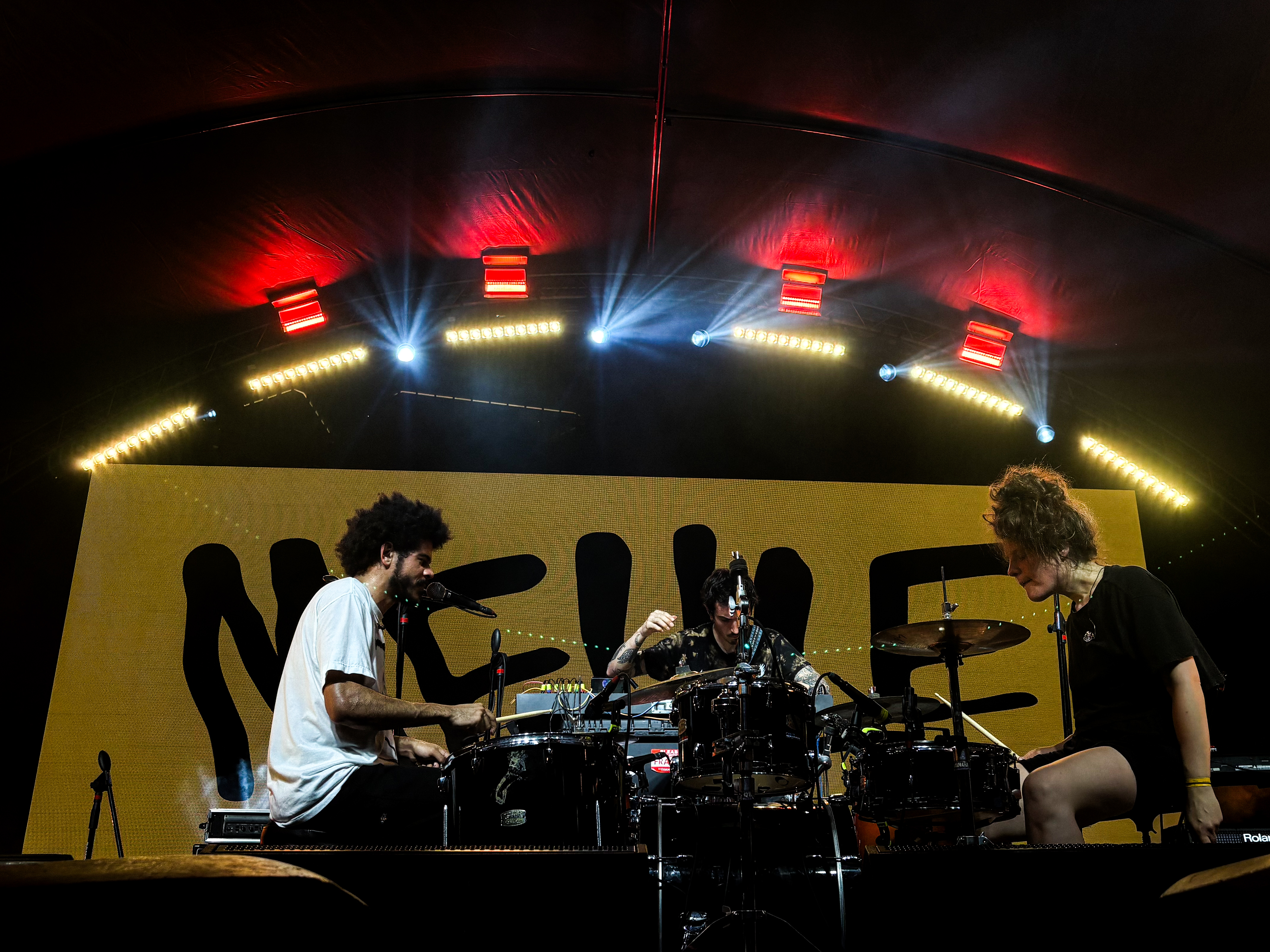
From Tours, France came Meule, whose arrival added an international dimension to the festivities. The trio's distinctive setup—combining two drummers with a modular synthesizer—created a sound that was hypnotic, experimental, and unlike anything many in the audience had encountered before. Their performance was a reminder of the role Alliance Française de Manille has played in promoting cultural exchange over the years. Through artists like Meule, audiences are invited to discover new sonic landscapes and experience music as a universal language that transcends geography.
Lola Amour
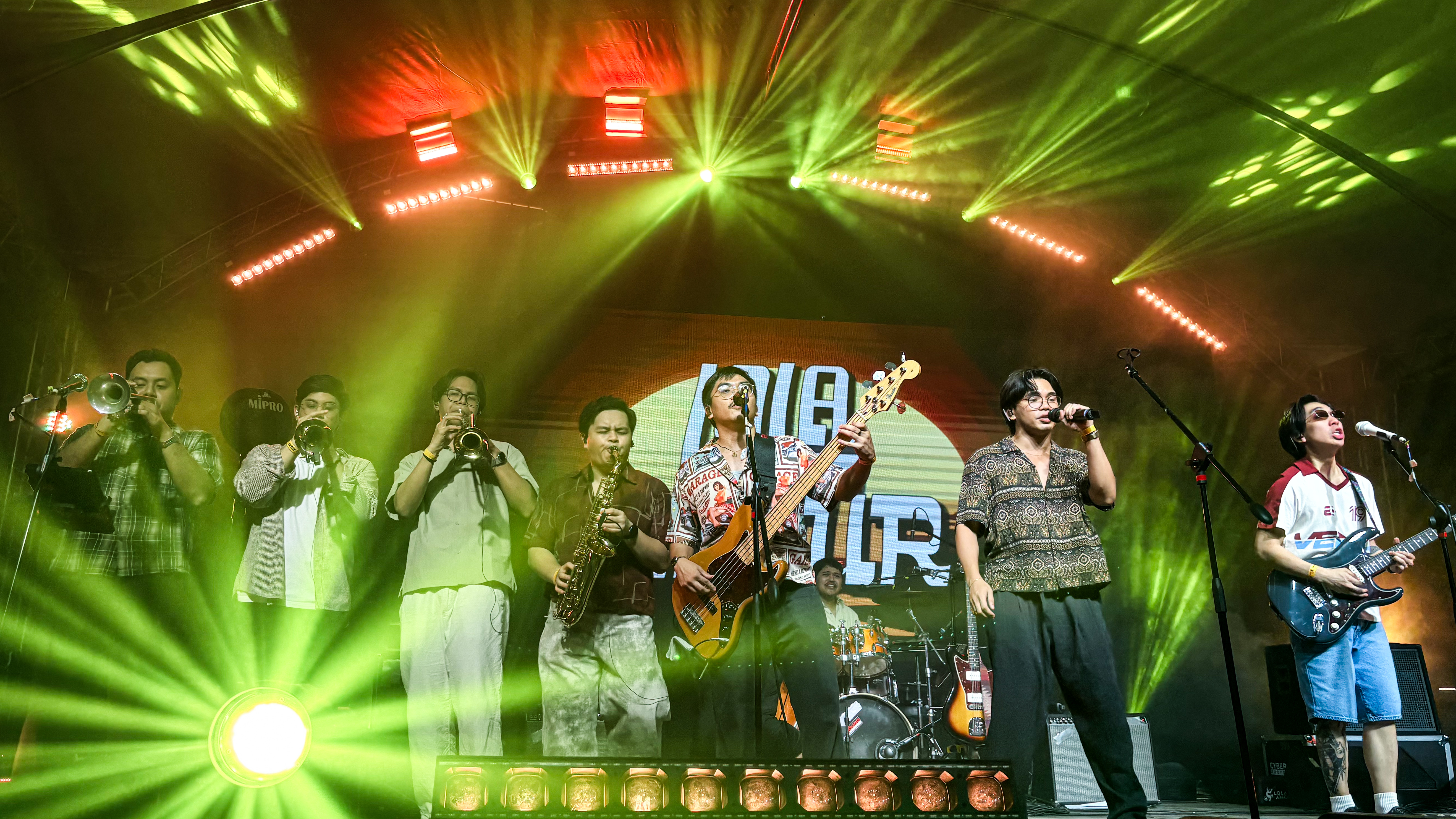
No strangers to the Fete stage, Lola Amour brought its joyous, familiar, and comforting energy. Few bands in recent years have connected with audiences as effortlessly as the beloved pop-rock outfit. Their songs have become part of everyday life for many Filipinos, accompanying road trips, celebrations, and quiet moments alike. On the Fête stage, that connection was unmistakable. Thousands sang along in unison, turning the concert into something more than a performance—it became a shared memory unfolding in real time. The band is also excited about the emergence of new Filipino acts and is very optimistic about how the OPM scene is very much alive and well.
Radioactive Sago Project
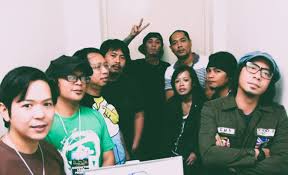
Closing the evening with their signature blend of jazz, spoken word, and social commentary was the legendary Radioactive Sago Project. Decades into their career, the collective remains as fearless and relevant as ever, proving that music can be provocative, playful, and deeply reflective all at once. Their presence on the lineup felt fitting. Much like Fête itself, Radioactive Sago Project has endured because it has never stopped evolving while remaining true to its spirit.
And perhaps that is what 32 years of Fête de la Musique ultimately reveals.
Endurance is rarely the result of nostalgia alone. It is sustained by people who continue to show up, create, collaborate, and believe that music is meant to be shared.
Year after year, artists come and go, genres shift, and audiences change. Yet the spirit that gave birth to Fête remains remarkably intact: a simple but powerful conviction that art belongs to everyone.
And after three decades, that conviction continues to bring people together—one stage, one song, and one community at a time.