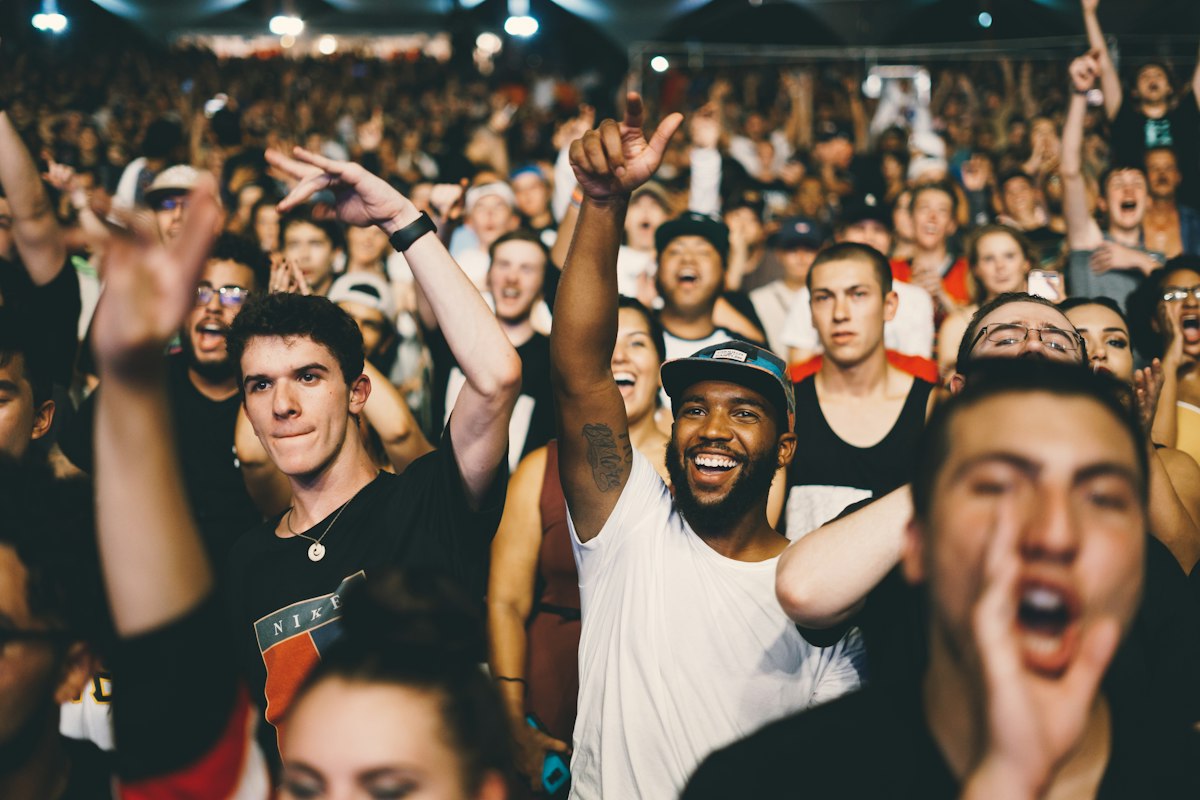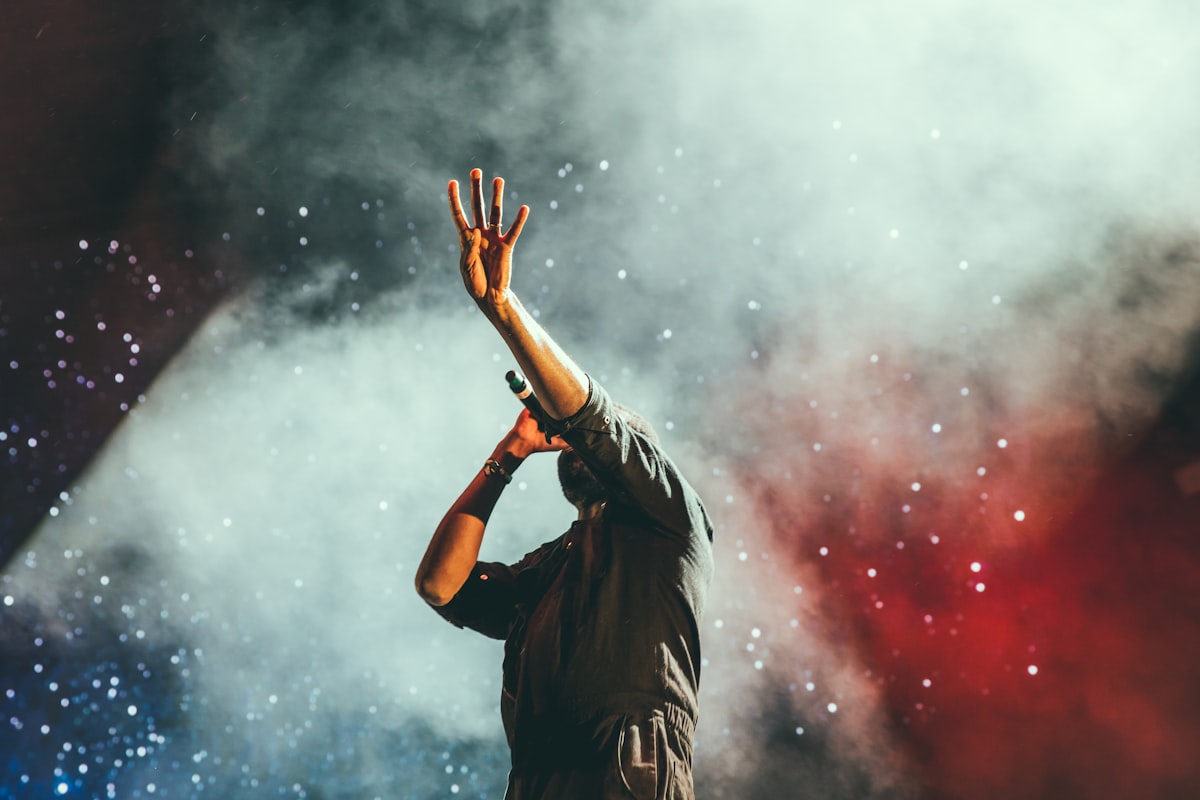
Hongdae on a Friday night is a sensory assault. The streets around Hongik University overflow with university students, tourists, buskers performing everything from hip-hop to classical violin, and the occasional performance artist in full costume. Inside the basement venues that line the back streets, bands are playing to rooms of fifty people with the focused intensity of musicians who have something to prove.
This is Seoul's underground music scene, and it has been the incubator of virtually everything significant in Korean popular music for the past thirty years. Before BTS sold out stadiums, before BLACKPINK became the most-streamed group on the planet, there were bands in Hongdae playing original music to twenty people and refusing to compromise their sound for the commercial entertainment industry.
The lineage is traceable. The indie rock scene of the 1990s, which drew directly from the American alternative rock explosion, gave way to a second generation that synthesised indie rock with electronic music, jazz, and the emerging Korean hip-hop underground. The third generation — active now — has dissolved genre boundaries entirely. Young Korean musicians move between jazz, art-rock, electronic, and what can only be described as post-genre with a fluency that reflects a generation raised on global streaming culture but anchored in a specifically Korean emotional register.
The jazz revival is particularly striking. Seoul now has more jazz venues per capita than Tokyo, and the music being played — particularly by younger Korean musicians — is not nostalgic reproduction but a living conversation between Korean musical sensibility and the harmonic language of post-bop. The pianist Sunwoo Junyoung and saxophonist Ravi Shankar Song have attracted international festival bookings on the strength of work that is unmistakably Korean.
Korean hip-hop's global emergence deserves its own essay, but its roots are squarely in the underground — in the late 1990s cipher culture of clubs like Club Drug in Itaewon, where a generation of Korean MCs developed the language and the flows that would eventually travel the world.
What unites these scenes is a shared refusal of the factory-line model of Korean entertainment. The idol industry produces technically accomplished, visually spectacular performers, but it produces them in a way that eliminates individuality. The underground insists on individuality. That tension — between the manufactured perfection of K-pop and the self-determined rawness of the underground — is what makes Seoul one of the most interesting music cities on earth right now.