Florence Aguilar: A Voice Finds Its Moment Again
Wika · Culture · July 31, 2026
Once hailed as one of the brightest young voices in the 70s, Florence Aguilar returns for a rare performance, honoring the community that stood by her.
For many Filipinos, Florence Aguilar’s name belongs to another era — a time when vinyl records filled homes, singers became household names, and the Philippine music industry was searching for its next great voice.
In the early 1970s, Florence Aguilar was one of those voices.
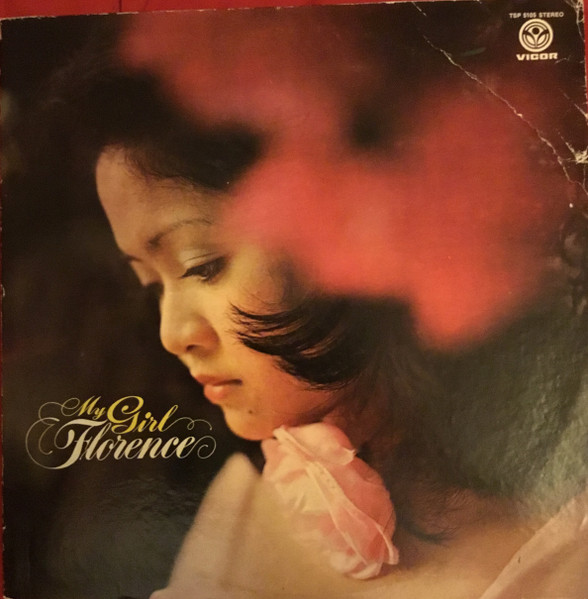
She entered the entertainment scene with the kind of promise that comes only once in a generation. Introduced by the leading record label in the Philippines ''Vicor Records'' in 1972, she was positioned as one of the country’s promising young female singers — an artist with the voice, talent, and support of an industry that believed she could become one of Philippine music’s major stars.
She was not a singer waiting to be discovered. She was a singer being prepared for stardom. But the future that seemed so certain suddenly became uncertain.
The declaration of Martial Law in 1972 changed the country’s political and cultural landscape, including the entertainment industry where Florence was building her career. The momentum behind her rise faded, opportunities became limited, and the trajectory that could have made her one of the defining voices of her generation was never fully realized. A career that seemed destined for greatness became one of Philippine music’s forgotten stories.
Years passed.
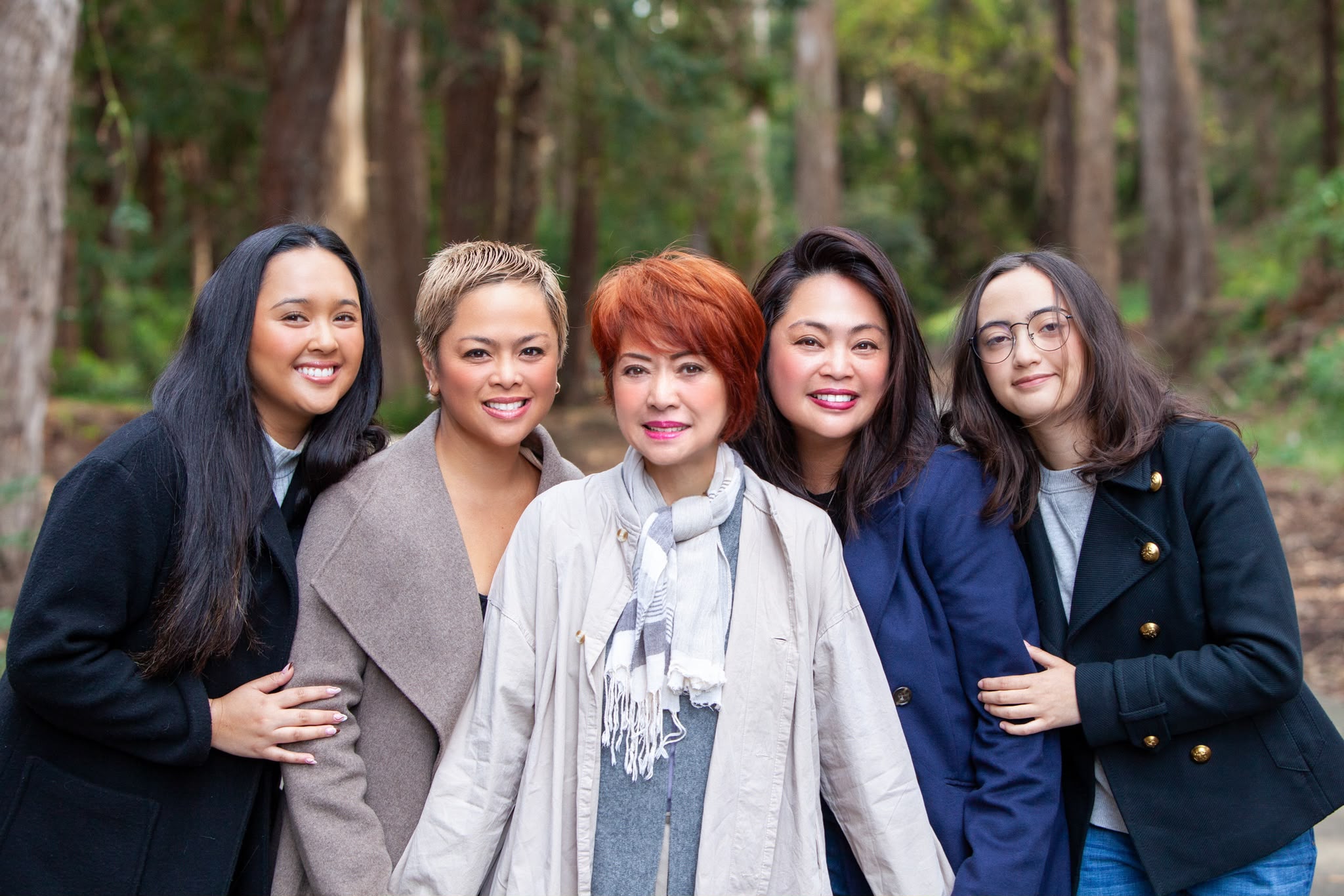
Florence eventually moved to the United States and lived away from the spotlight. While Philippine music continued to evolve and new generations of artists emerged, her name slowly became known mostly among those who remembered the era when she first arrived.
But some stories are not forgotten because they were insignificant. They are forgotten because they were never given the chance to fully unfold. That changed when Florence Aguilar made a rare return to the Philippine stage.
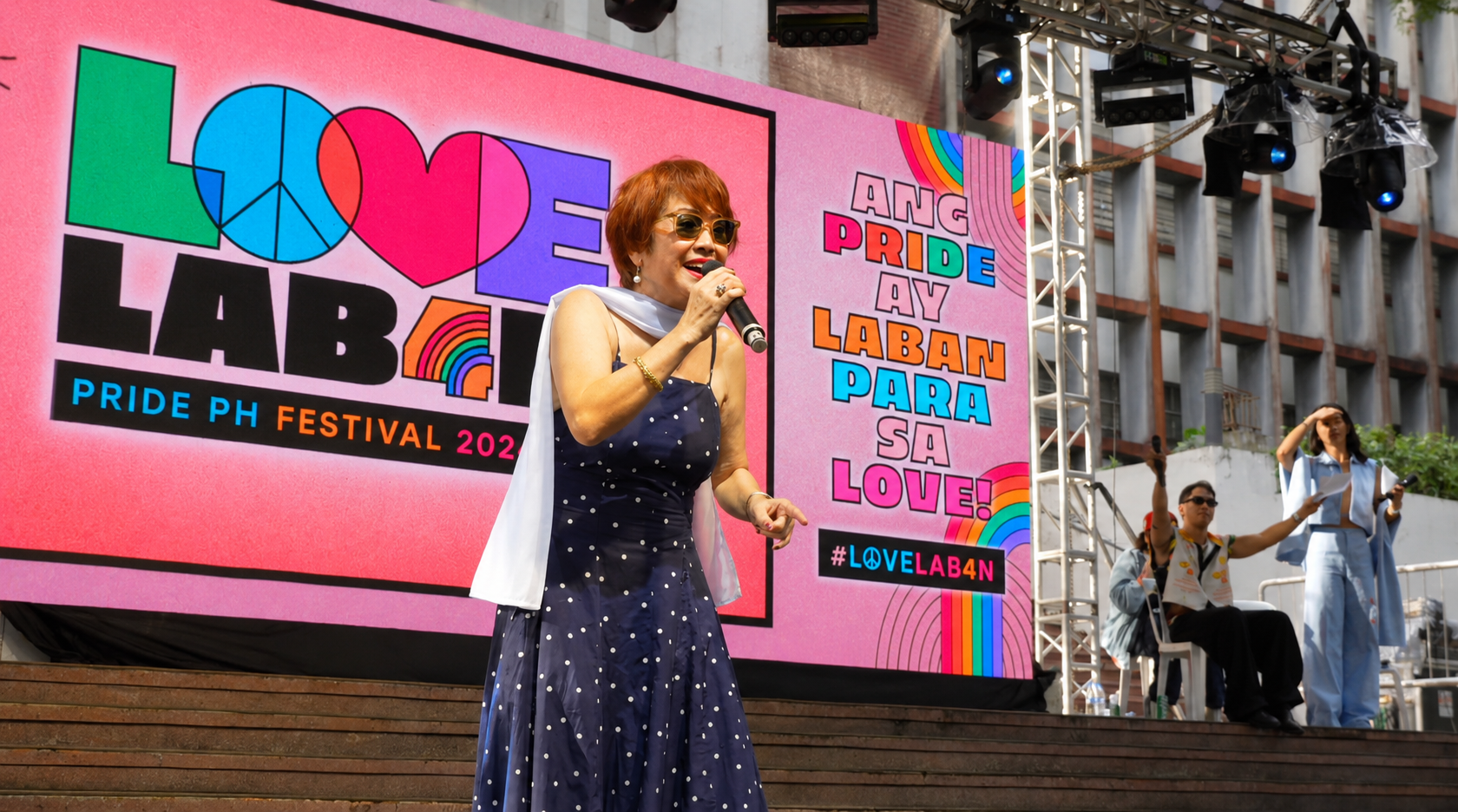
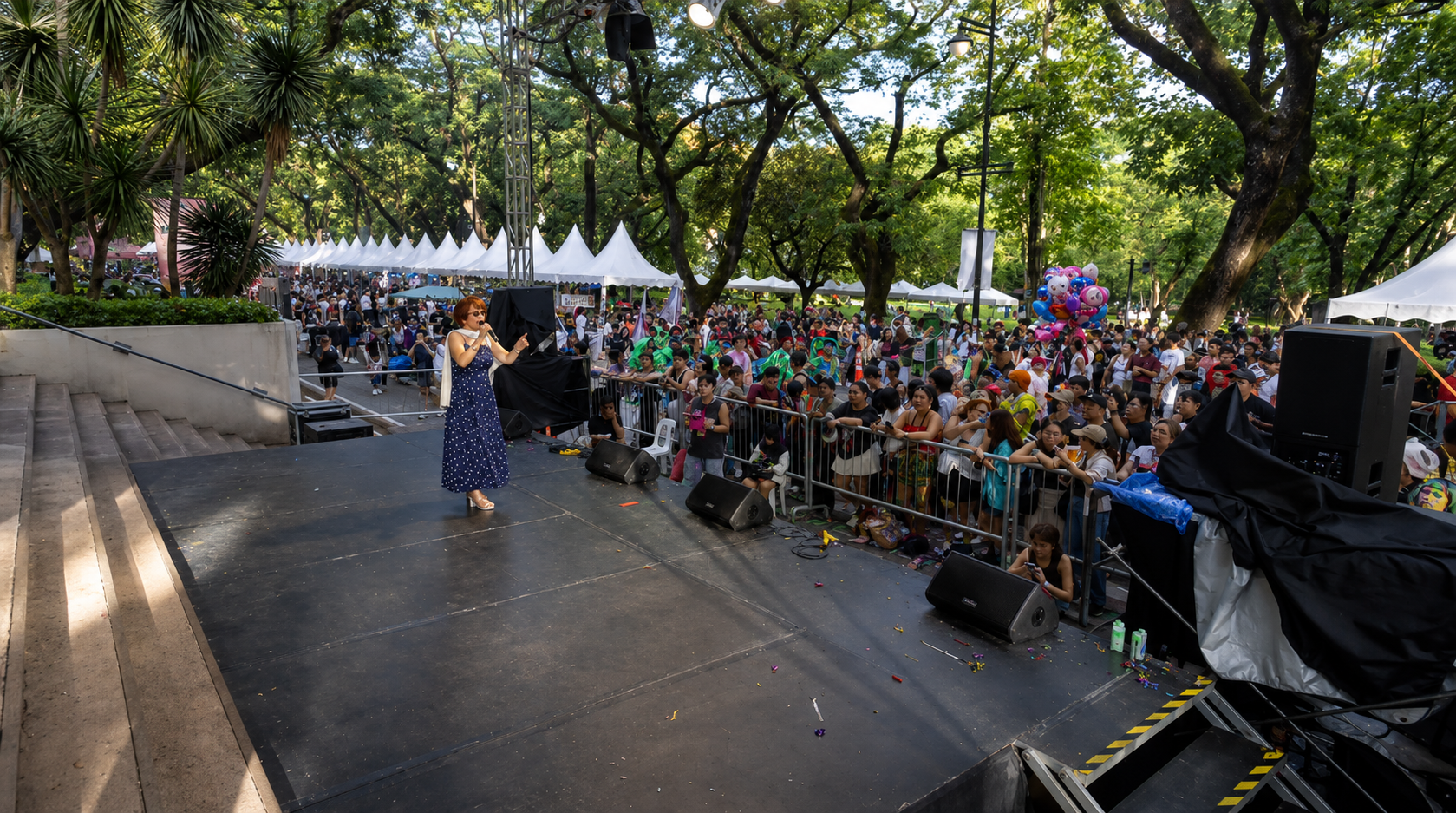
Her appearance at the LoveLaban Pride festival by Pride PH at the University of the Philippines Diliman attended by almost half a million people, was not simply a performance by a singer from the past. It was a moment where different generations of Filipino stories came together.
Before a massive crowd of LGBTQIA+ Filipinos and allies, Florence stood on stage once again — this time not as the young artist chasing a dream, but as a woman carrying decades of memories. She performed one of her memorable songs, “My Mother.” The song became more than a tribute to family.
Florence dedicated it to parents who continue to choose love and acceptance for their LGBTQIA+ children despite the pressure and judgment they may experience from society, institutions, and communities. The message was deeply personal.
"During my time, we never had events like this. That's why today feels so special. After living in the United States for more than 40 years, LGBTQ+ people have become part of my family. They were my friends, my children's babysitters, and some of the people I trusted most. Being here means a great deal to me."
During the height of her career in the 1970s, Florence recalled that many of the people who supported her journey were members of the LGBTQIA+ community. They were among the creatives, performers, and people behind the scenes who helped shape her career during a time when many of them faced discrimination and rejection. They helped create the entertainment industry while fighting for a place within society themselves.
Looking back, Florence also reflected on what she wished she could have done for the people who stood beside her.
I'm so excited and happy to be here. You are all very special people. I want to share my song, which is about mothers who give unconditional love to their children, no matter who they are. I believe we are all equal in the eyes of God—we are all children of God. Continue doing what you do, and keep being good members of your community.
When she sang that day, the moment was not about nostalgia. It was about recognition.
For decades, Florence Aguilar was remembered as a singer whose career never reached the heights many expected. But on that Pride stage, she was surrounded by a community that understood something important: careers may be interrupted, but contributions are not erased.
The people who helped her career were part of a community that continued fighting for visibility and equality. Many of them never received the recognition they deserved, but their influence lived on — in the artists they supported, the culture they helped create, and the generations that followed.
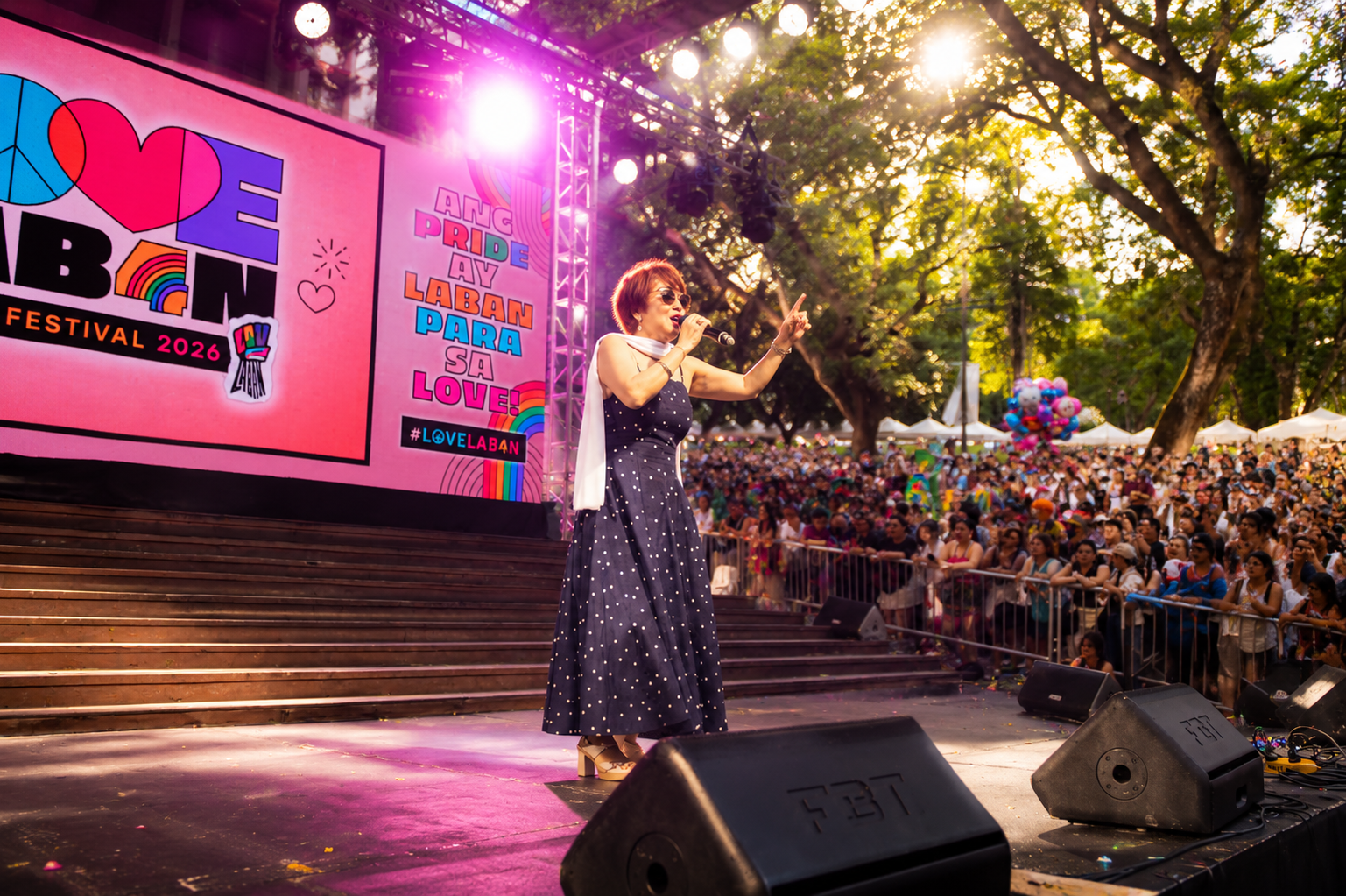
Florence’s performance became a tribute to them. A reminder that behind many celebrated names are people whose stories remain untold. And for one evening, a voice from the 1970s was heard again — not as a forgotten star looking back at what could have been, but as an artist honoring the people who helped her become who she was.