Off the western coast of Taiwan, in the shallow waters of the Taiwan Strait where wind speeds average twelve metres per second, a forest of offshore turbines is rising. The Changhua Offshore Wind Farm, when fully operational, will be among the largest in Asia — one of dozens of projects forming Taiwan's most ambitious infrastructure programme in a generation.
Taiwan's semiconductor industry — home to TSMC, the company that manufactures the chips in virtually every advanced device on earth — consumes roughly 12% of Taiwan's total electricity. TSMC has committed to RE100, meaning it will source 100% of its electricity from renewables by 2050. That single corporate commitment is reshaping energy strategies across the Indo-Pacific.
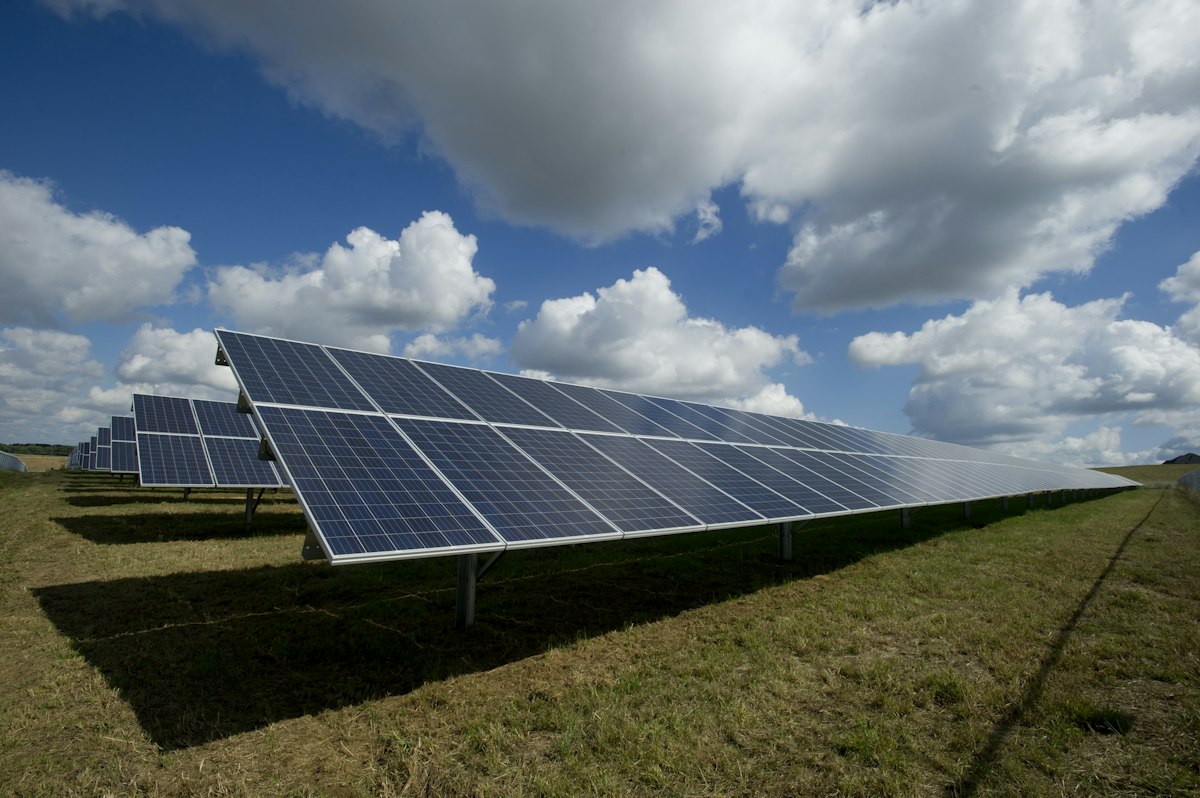
Solar has been Taiwan's first success story. The government's target of 20GW of solar capacity was largely met, driven by aggressive feed-in tariffs, streamlined permitting for rooftop installations, and the conversion of fish ponds in Chiayi and Tainan — the "agrivoltaic" model, where solar panels and aquaculture coexist on the same plots of land.
By 2026, Taiwan's offshore wind capacity is projected to reach 5.6GW, with a target of 20GW by 2035. What Taiwan has demonstrated is that an island economy — energy-poor, densely populated, with a demanding industrial base — can make a credible commitment to clean energy transition and begin to execute it. The rest of Asia is watching.