From hole-in-the-wall carenderias to Michelin-worthy tasting menus, Manila's dining landscape has never been more exciting or more diverse.
Walk through Bonifacio Global City on any Friday evening and you'll encounter a crowd that would look at home in Tokyo, New York, or Copenhagen. Young professionals, families, and tourists from across Asia spill out of restaurants offering everything from century-old Filipino comfort food to avant-garde tasting menus that reimagine local ingredients through a global lens.
Manila's food scene in 2026 is the product of several intersecting forces: returning chefs trained abroad, a thriving local produce movement, and a dining public that is more adventurous and better-informed than any previous generation.
At the top end, restaurants like Toyo Eatery and Metronome continue to draw international food press. Chef Jordy Navarra's tasting menus have become a pilgrimage destination for serious food lovers visiting Southeast Asia.
But the real story is happening at street level. A new wave of entrepreneurs is elevating traditional Filipino street food with premium ingredients and thoughtful preparation, while keeping prices accessible.
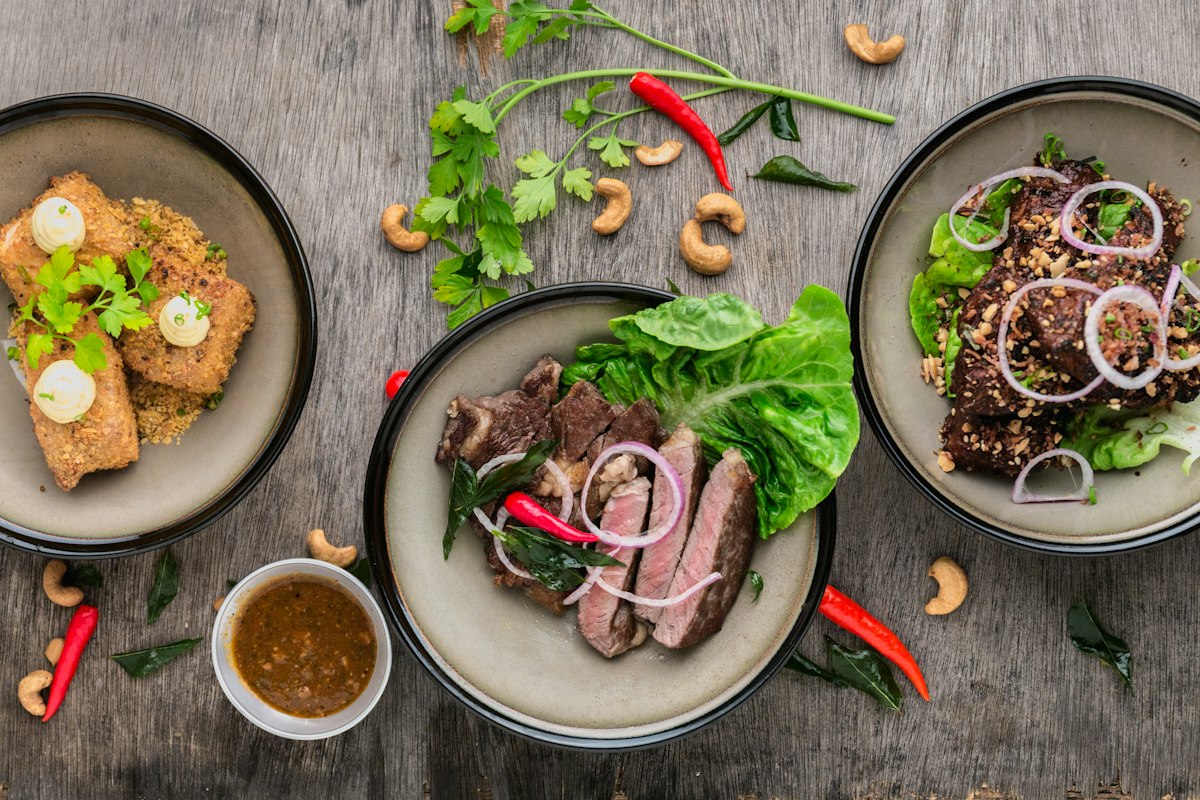
The sisig renaissance alone deserves its own essay. Once a humble dish of chopped pork face and ears seasoned with calamansi and chili, sisig has been reimagined across Manila in dozens of iterations — from the classic sizzling plate version at Aling Lucing's descendants in Pampanga to avant-garde mushroom sisig at plant-based concept restaurants in Makati.
Adobo, sinigang, kare-kare, and lechon — these cornerstones of Filipino cuisine are being elevated, deconstructed, and lovingly reconstructed by a generation of chefs who respect their roots while pushing relentlessly forward.
Manila isn't just a food destination. It's becoming a food capital.