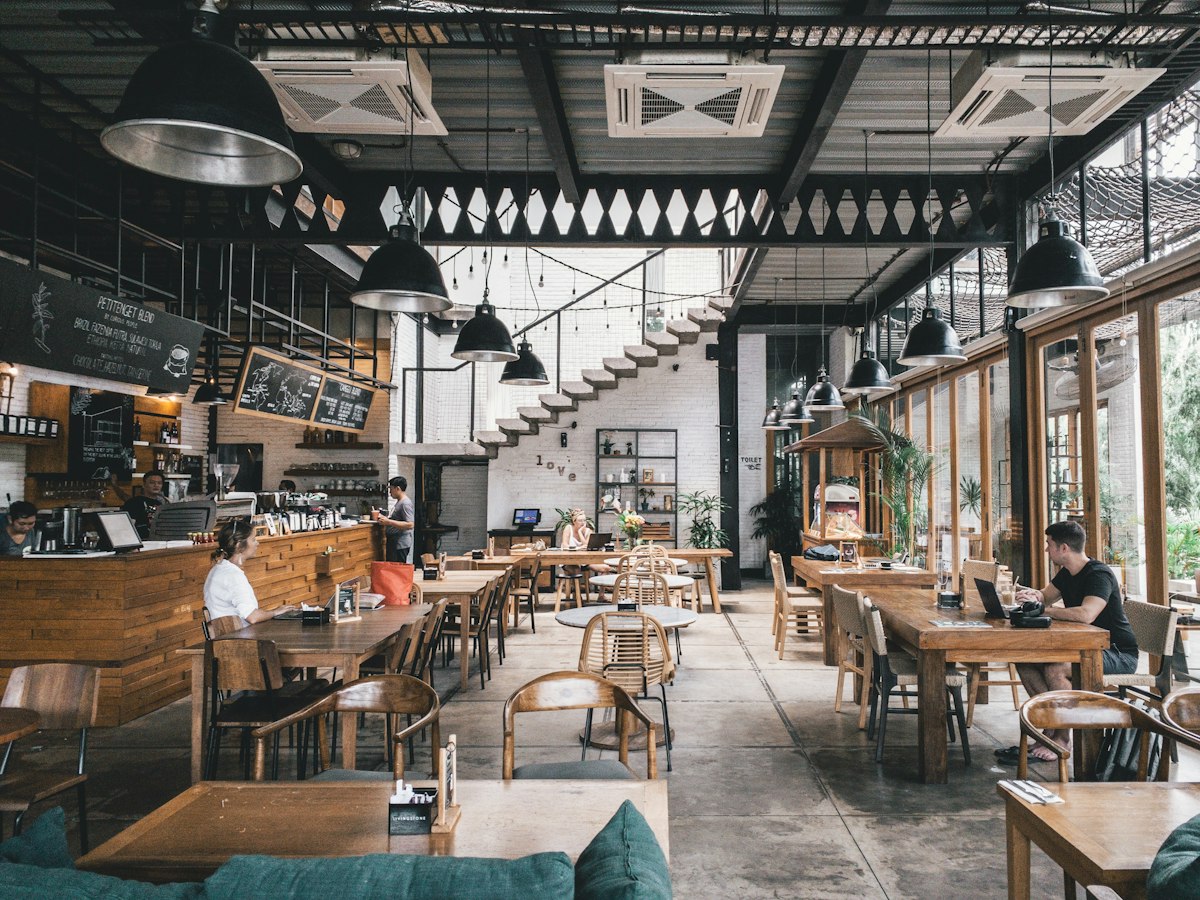
In a small café in Hanoi's Tây Hồ district, a barista named Minh is preparing what he calls a "filter flight" — three small cups, each containing coffee from a different Vietnamese highland. The first is from Đà Lạt, grown at 1,500 metres altitude: clean, bright, with a floral note that Minh describes as reminiscent of jasmine. The second is from Cầu Đất, a microclimate farm producing a honey-processed Arabica with unusual sweetness. The third is from K'Bang in Gia Lai province: an ancient Robusta varietal, grown in shade under towering forest canopy, with a complexity that challenges every assumption about Robusta being a lesser bean.
Vietnam has been in the coffee business since the French colonial period introduced Arabica cultivation in the late nineteenth century. Today it is the world's second-largest coffee exporter, growing roughly 1.7 million tonnes per year. But for most of that history, Vietnamese coffee — predominantly Robusta — entered the global market as an anonymous commodity, blended into instant coffee and espresso blends by multinationals who valued it for its price and caffeine content, not its flavour.
The specialty coffee revolution that transformed Ethiopia, Colombia, and Guatemala into origin-celebrated terroir stories has been slower to reach Vietnam. This is partly a structural problem — Robusta, which dominates Vietnamese production, was long dismissed by the specialty coffee world — and partly a branding problem. Vietnam had no Blue Bottle, no Stumptown, to carry its beans into the consciousness of the third-wave coffee market.
What has changed is infrastructure and ambition. A generation of Vietnamese coffee professionals trained at international barista competitions and specialty coffee associations have returned home and are establishing roasteries, cafés, and import-export operations that bring Vietnamese single-origin to specialty buyers in Japan, South Korea, Australia, and Europe. The traditional Vietnamese coffee culture — cà phê trứng (egg coffee), cà phê đá (iced coffee with condensed milk), the slow ritual of a Phin drip filter — has gained international cultural cachet alongside the specialty movement rather than being replaced by it.
K'Bang Robusta, in the right hands, produces a cup of extraordinary depth — dark chocolate, black tobacco, earth, and an aftertaste of wild blueberry that is impossible to find anywhere else in the world's coffee geography. The baristas who know this have been trying to tell the world for years. The world is finally listening.