MAKATI CITY, Philippines — In the Philippines, waste does not simply disappear when it leaves the household bin. It moves through a system of collection, disposal, and recovery that determines whether discarded materials find a second life or contribute to pollution in communities, waterways, and coastal ecosystems.
Addressing this challenge requires more than encouraging people to recycle. It demands infrastructure, stronger policy implementation, corporate accountability, and viable markets for recovered materials.
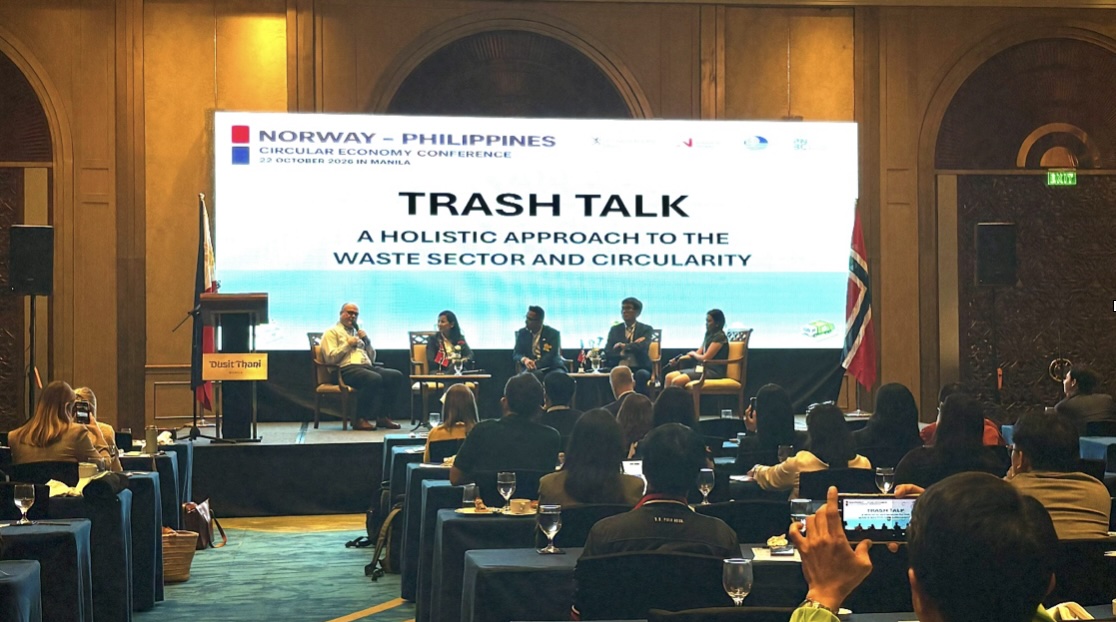
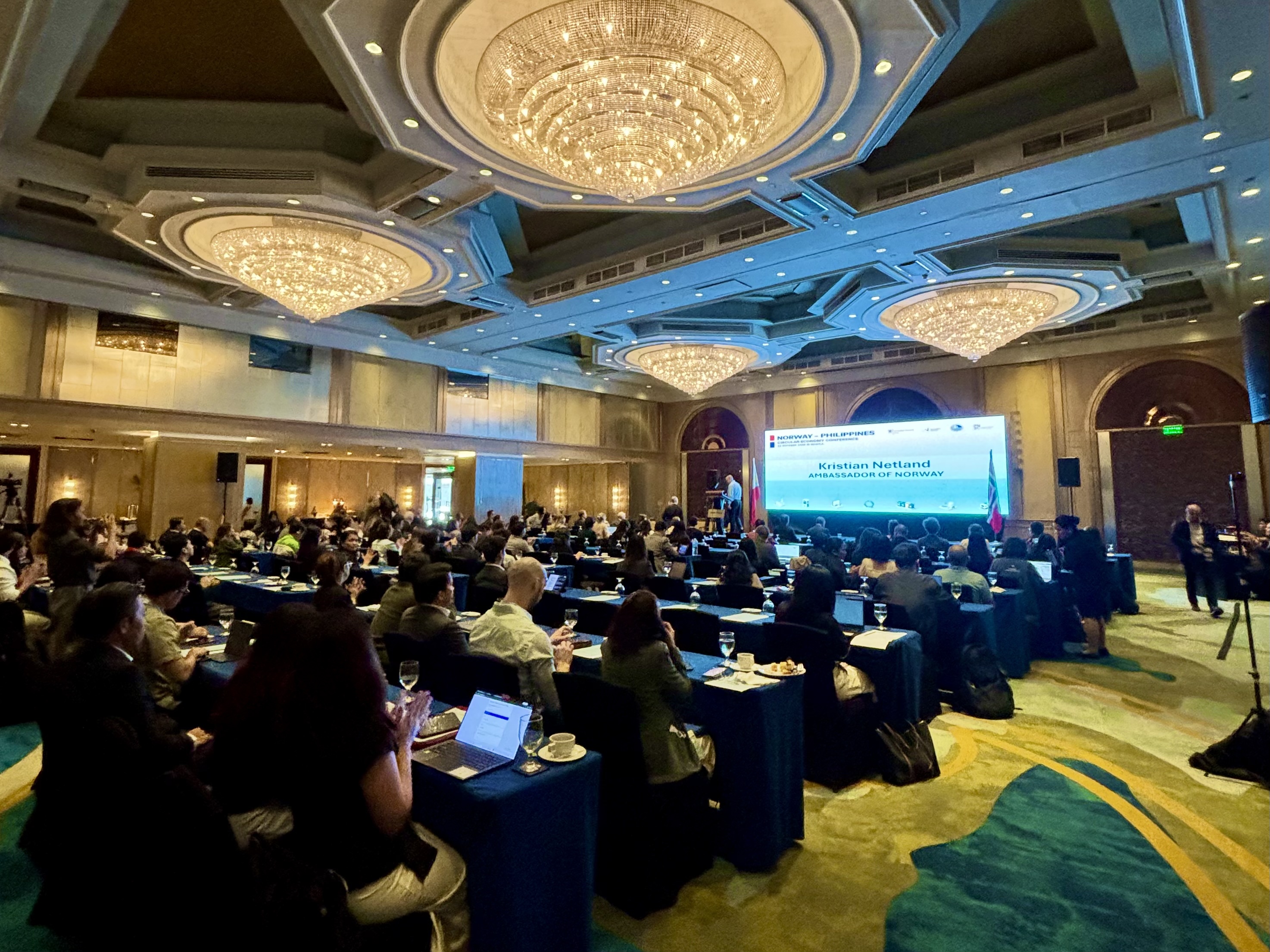
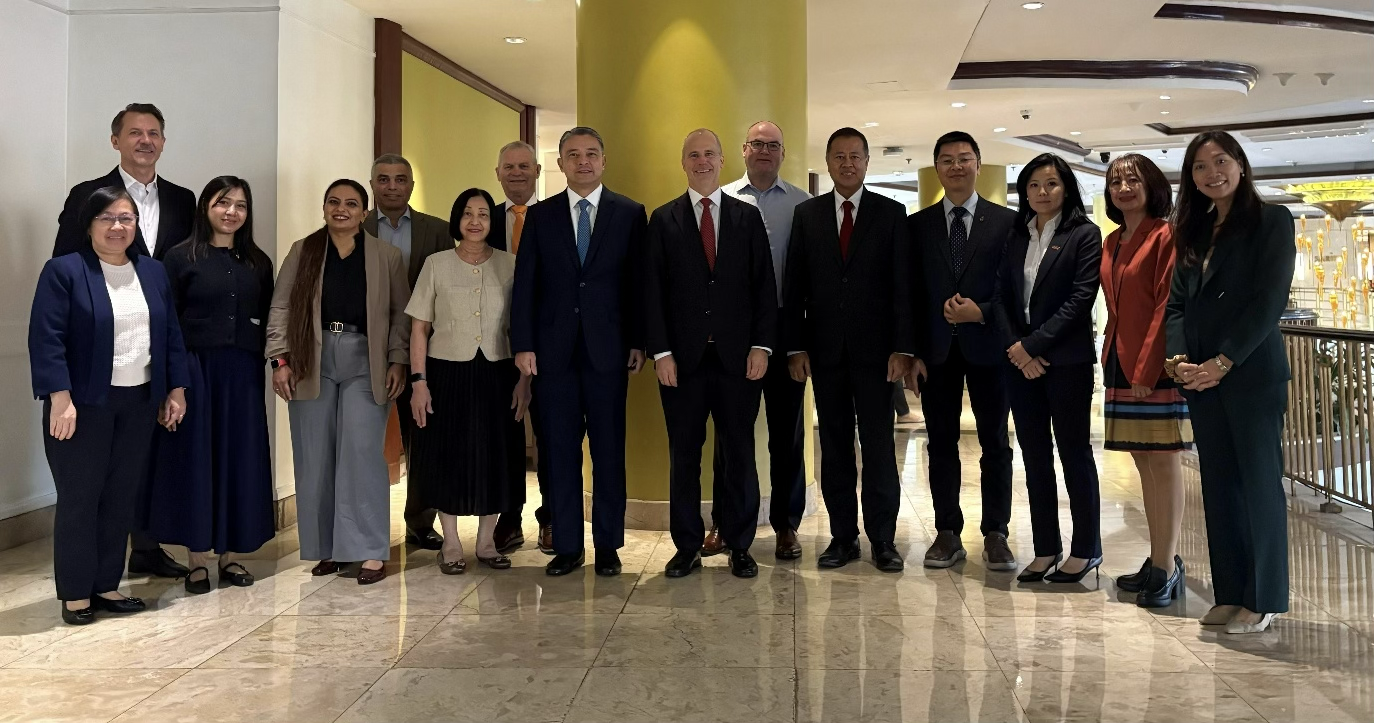
These concerns took center stage at the Norway–Philippines Circular Economy Conference 2026, which brought together approximately 180 government officials, business leaders, media representatives, and sustainability experts in Makati City to explore practical solutions to the country's waste-management challenges.
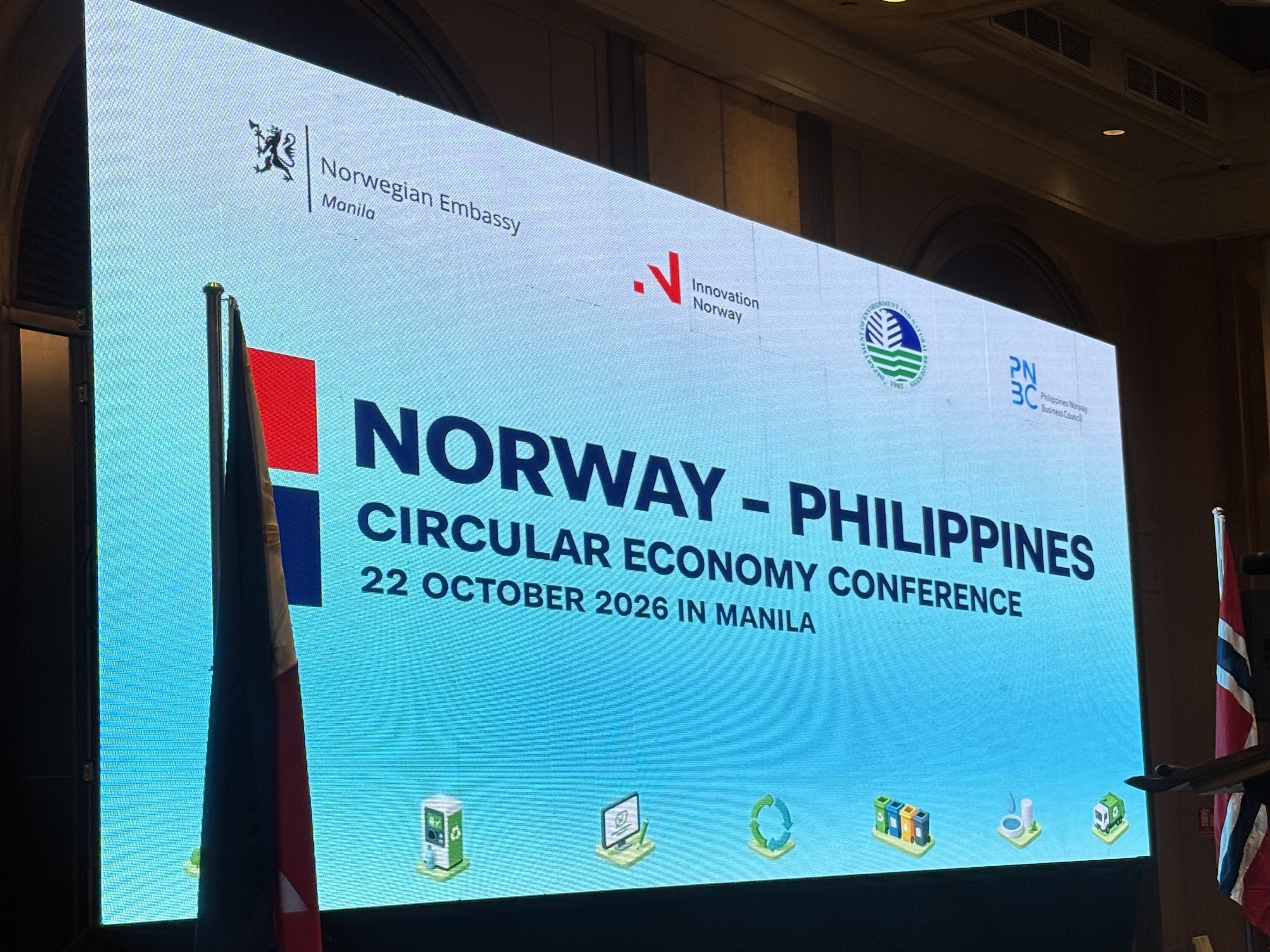
Convened by the Royal Norwegian Embassy in Manila, the Department of Environment and Natural Resources (DENR), Innovation Norway, and the Philippines Norway Business Council, the conference examined how international expertise could support the Philippines' transition from a waste-disposal model toward a circular economy.
“The key is to stop thinking of waste as the end of a product’s life, and start treating it as the beginning of something new,” said Norwegian Ambassador Kristian Netland.
Norway's experience includes plastic recovery, deposit-return systems, and bottle-to-bottle recycling. Netland, however, stressed that these approaches cannot simply be transplanted into another country. Solutions must respond to Philippine realities while remaining environmentally and economically viable.
Beyond recycling
For the Philippines, the challenge is not merely technological. It is also institutional: how to make waste recovery work across communities, businesses, and local governments.
DENR Secretary Juan Miguel T. Cuna reinforced the urgency of addressing the country's waste challenges and pursuing collaborative solutions.
Conference sessions featured Norwegian organizations and companies, including Innovation Norway, TOMRA, DNV, ORKEL Holding AS, INFRAMAR, and Hoppsann Technology AS. Philippine participants included PET Value, Philippine Spring Water Resources (Nature’s Spring), Evergreen Labs, and the Metropolitan Manila Development Authority, alongside GIZ.
Discussions covered plastic recovery, recycling technologies, deposit-return systems, landfill constraints, and extended producer responsibility (EPR)—the principle that businesses must help address the waste generated by their products and packaging.
For a country with extensive coastlines and communities vulnerable to marine pollution, these conversations carry implications beyond waste collection. Poorly managed plastic waste can threaten ecosystems and livelihoods, while inadequate recovery systems allow valuable materials to be discarded instead of reused.
A circular economy could help address these pressures, but technology alone will not suffice. Local governments need effective collection and processing systems, businesses must invest in recovery, and consumers need accessible ways to participate. Waste workers and affected communities must also be considered in designing solutions.
Turning partnerships into progress
Since 2023, the Norwegian Embassy has worked with Philippine partners through workshops, study tours, and government discussions to support the country's transition toward a circular economy.
The conference builds on this cooperation, but its real test lies in implementation. Will knowledge-sharing lead to investments, stronger enforcement, and measurable reductions in waste? Can circular systems become practical and affordable for Philippine communities rather than remaining largely corporate or policy ambitions?
Norway's experience offers useful lessons, but the Philippines must shape solutions around its own needs and capacities.
Ultimately, the country's waste challenge cannot be solved through recycling campaigns alone. It requires a system that prevents waste, holds producers accountable, strengthens local infrastructure, and ensures that environmental progress benefits the communities bearing the greatest costs of pollution.
The measure of success will not be what is promised in a conference hall, but what changes on the ground—in the streets, waterways, and communities across the Philippines.