COTABATO CITY — On September 14, 2026, the Bangsamoro took a historic step from revolutionary struggle toward electoral democracy. More than two million voters participated in the region’s first parliamentary election, producing an 80-member Parliament that will determine the next chapter of its autonomy.
Yet the results raised a question more consequential than who won: will the new political order transform the lives of ordinary Bangsamoro, or reproduce the same concentration of power that generations fought to overcome?
For Moro human rights advocate Rhadem Musawah, the election is a democratic milestone, but not the culmination of the Bangsamoro struggle.
“Autonomy is not the final destination. It is a tool,” he argues. Its success must ultimately be measured by whether communities experience greater dignity, security, opportunity and meaningful participation in decisions affecting their lives.
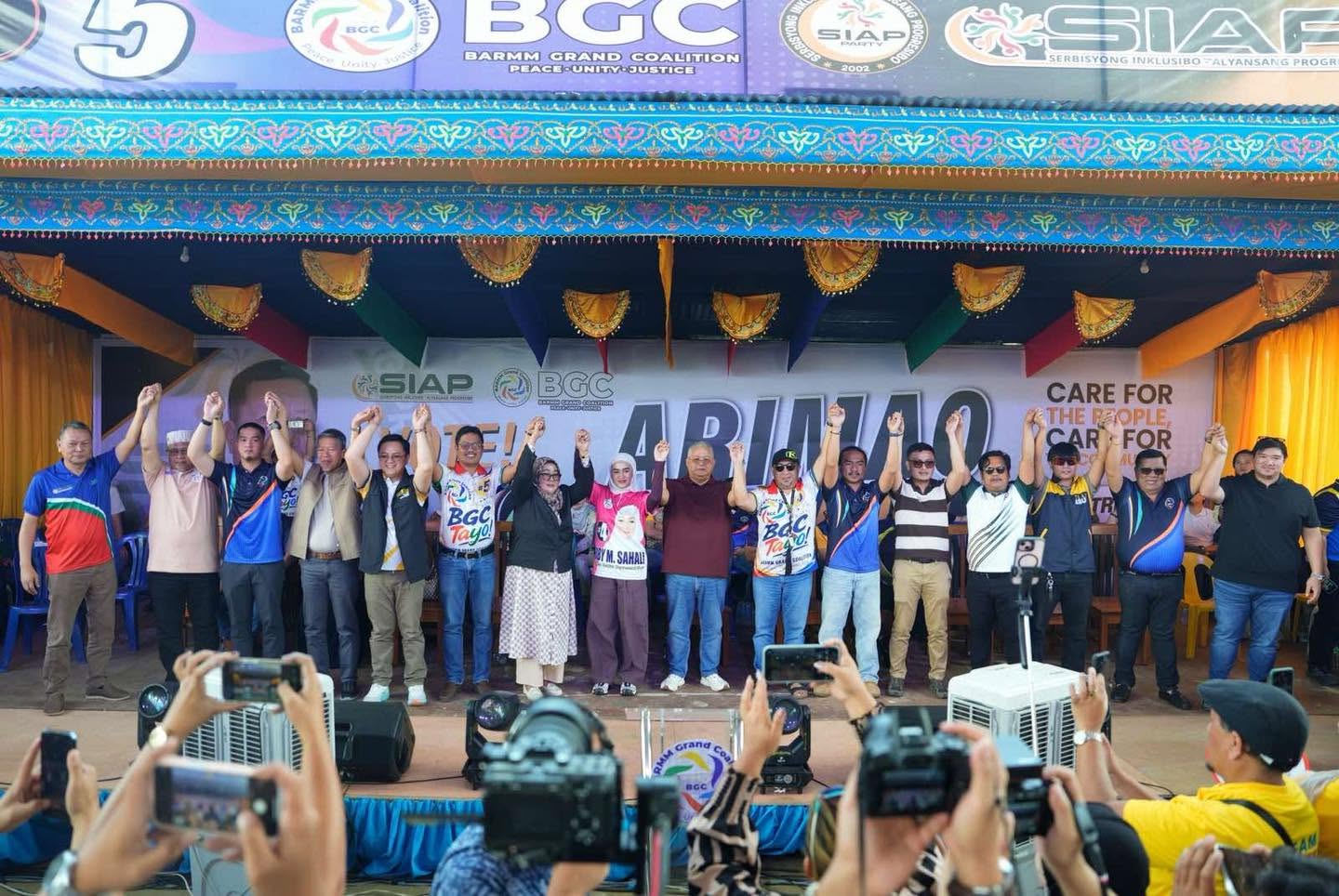
The results reflect a divided political landscape. The Bangsamoro Federalist Party (BFP) secured 31 seats, followed by the United Bangsamoro Justice Party (UBJP) with 30 and the BARMM Grand Coalition (BGC) with 15. Smaller groups and Indigenous representatives hold the remaining seats. With no party securing the 41 seats needed for a majority, coalition-building has become central to forming the first elected government.
For Musawah, the outcome should not be read simply as a rejection of the Moro Islamic Liberation Front (MILF) or its political project. Rather, it signals the normalization of Bangsamoro politics, in which voters can assess parties and candidates on governance, public services, representation and performance.
The transition is significant. The Bangsamoro struggle, shaped by decades of armed conflict, discrimination and political exclusion, sought the right to self-determination. The 2014 Comprehensive Agreement on the Bangsamoro and the subsequent Bangsamoro Organic Law laid the groundwork for a new autonomous government. The first parliamentary election now tests whether these institutions can deliver on that promise.
Progress is evident, but uneven. Regional poverty incidence declined from 52.6 percent in 2018 to 23.5 percent in 2023. Nevertheless, poverty, displacement, clan conflict, political violence and unequal access to essential services continue to affect communities across the region.
Political autonomy cannot succeed if political opportunity remains concentrated.
The continued influence of established political families raises questions about who can realistically enter public office. Musawah stresses that political lineage does not automatically disqualify a candidate. The concern arises when family names, financial resources and political machinery become prerequisites for power, leaving young people, women, Indigenous communities and ordinary citizens with fewer opportunities to compete.
The relationship between the Bangsamoro and the national government presents another test. Cooperation with Manila remains necessary for funding, security coordination and the implementation of peace commitments. But partnership, Musawah argues, must not become dependence. Autonomous institutions must retain the ability to make decisions in the interests of Bangsamoro communities rather than function as extensions of whoever holds power nationally.
The election also exposed the continuing gap between women’s contributions to public life and their representation in political institutions.
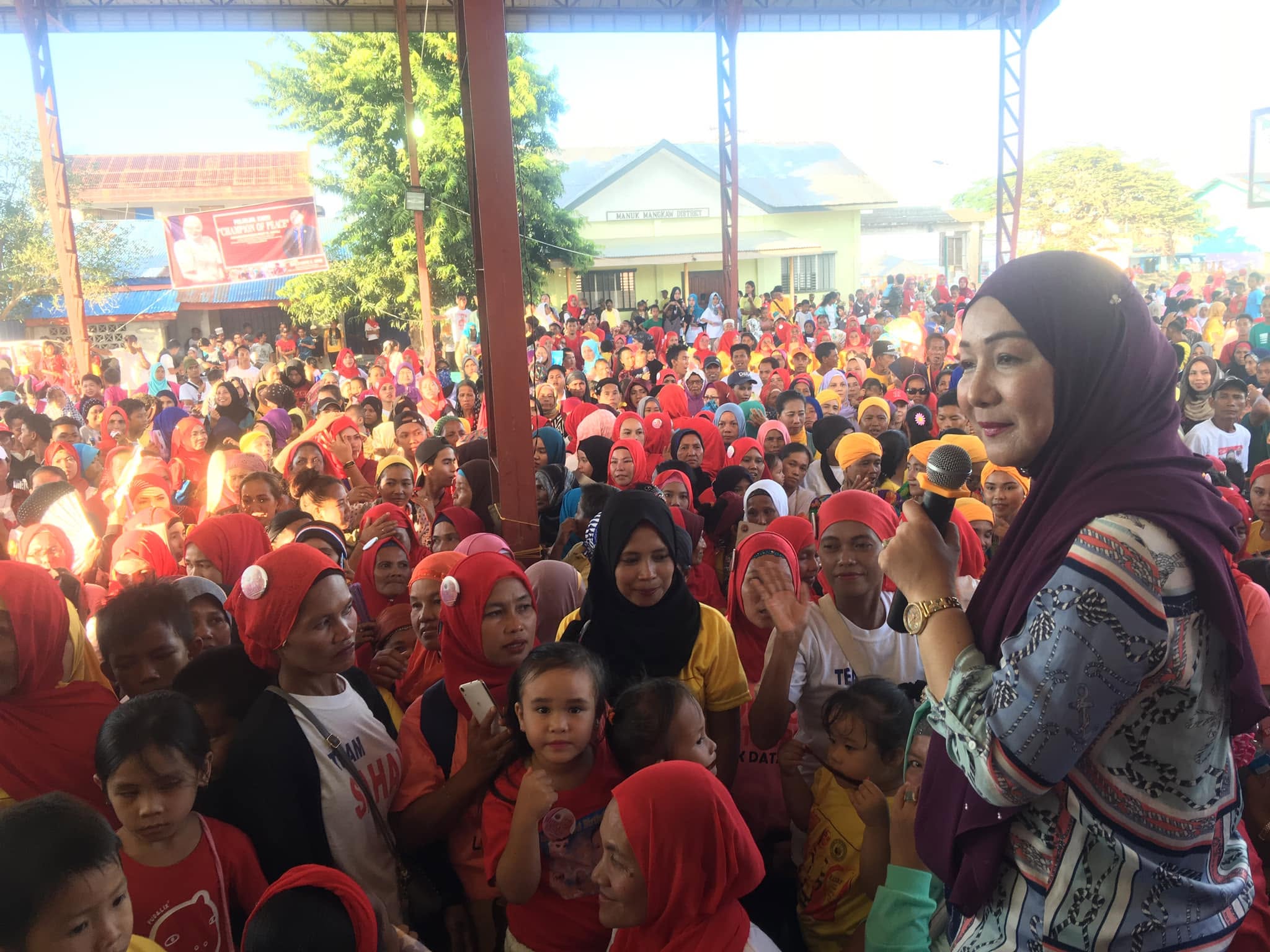
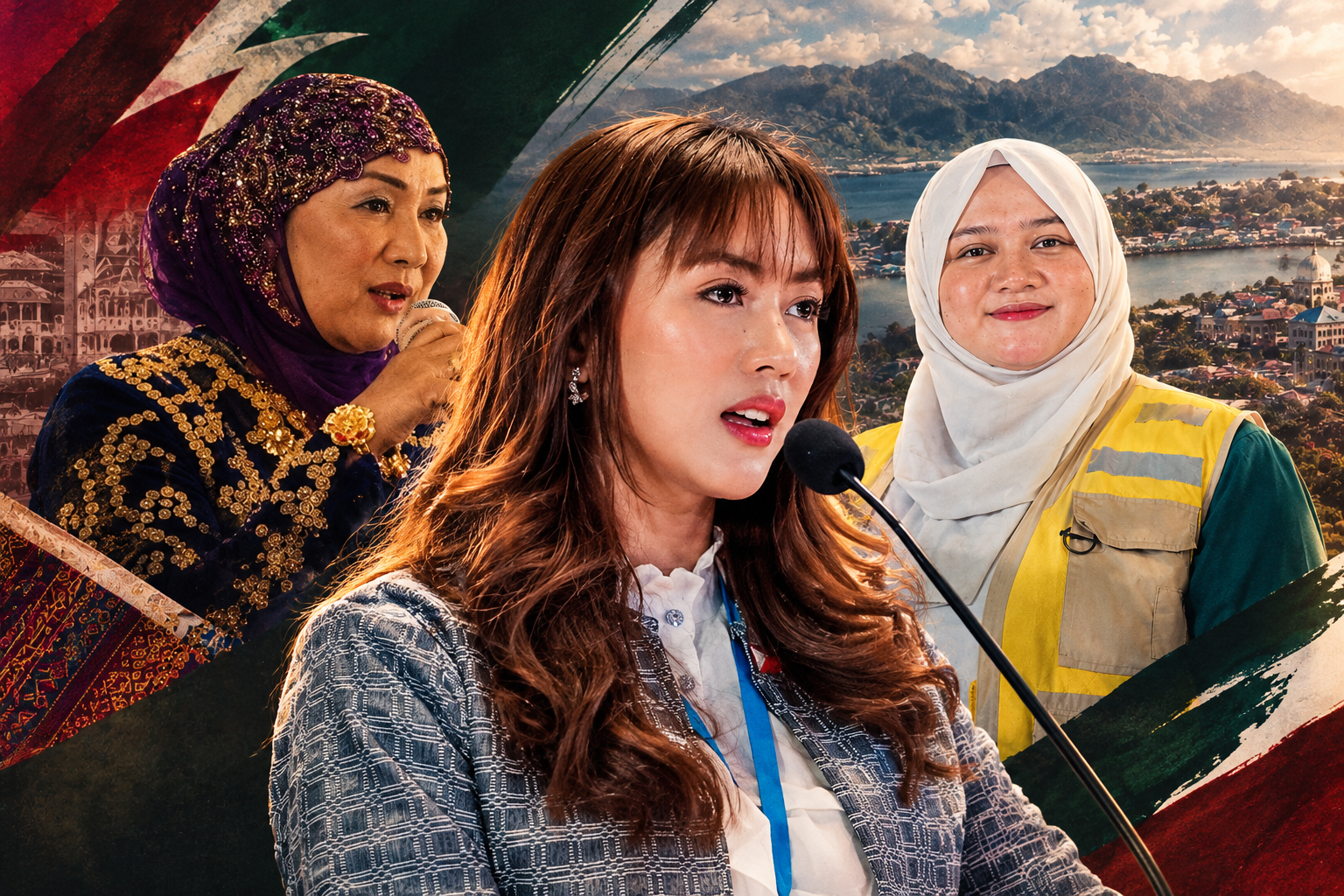
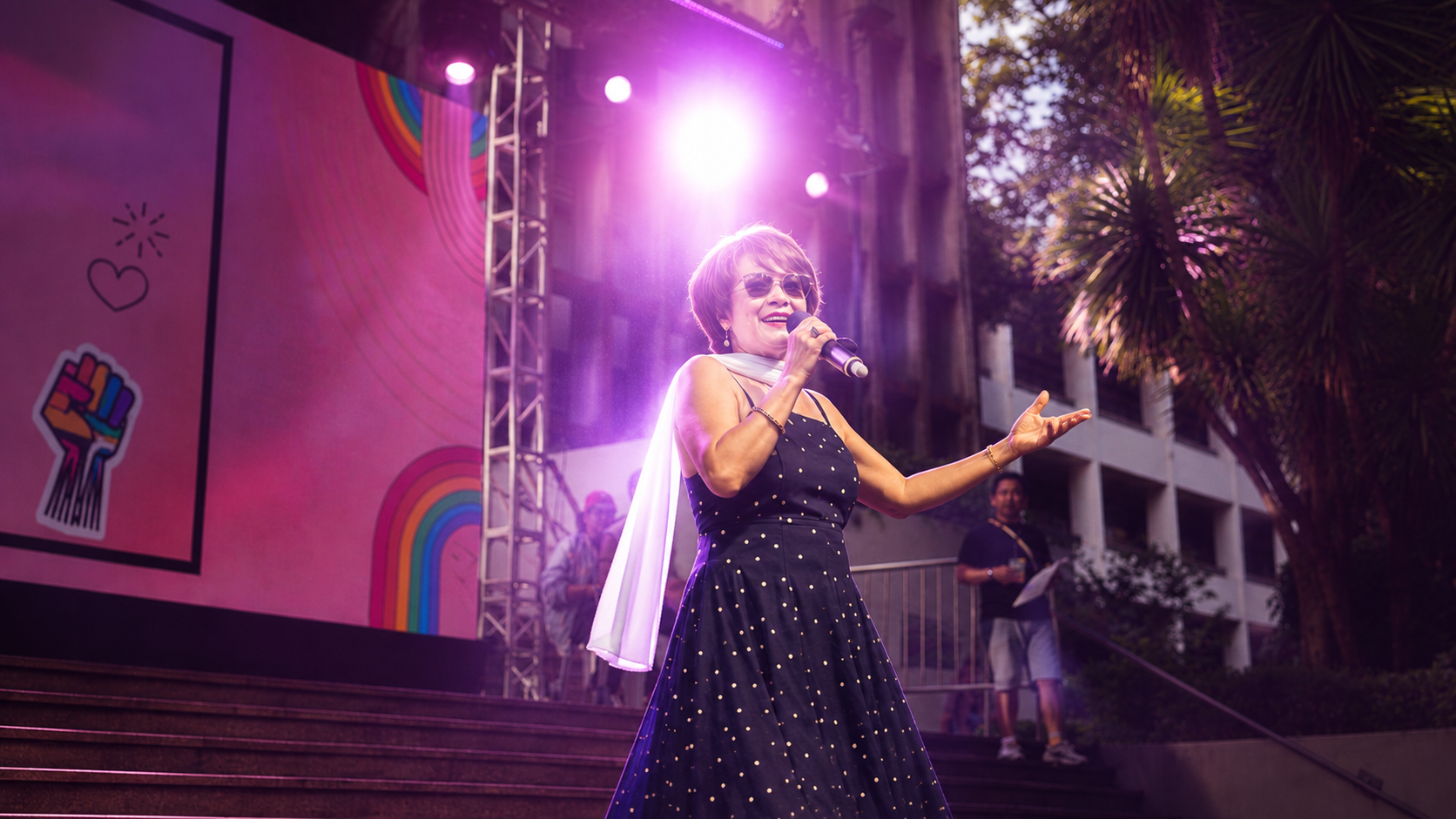
Only 13 of the 80 elected members are women. Among those who failed to secure seats were Ruby Sahali, Nur-Ainee Tan Lim and Alyssa Sahali Tan, women from different generations whose work has spanned legislation, social services, education, rural development and women’s welfare.
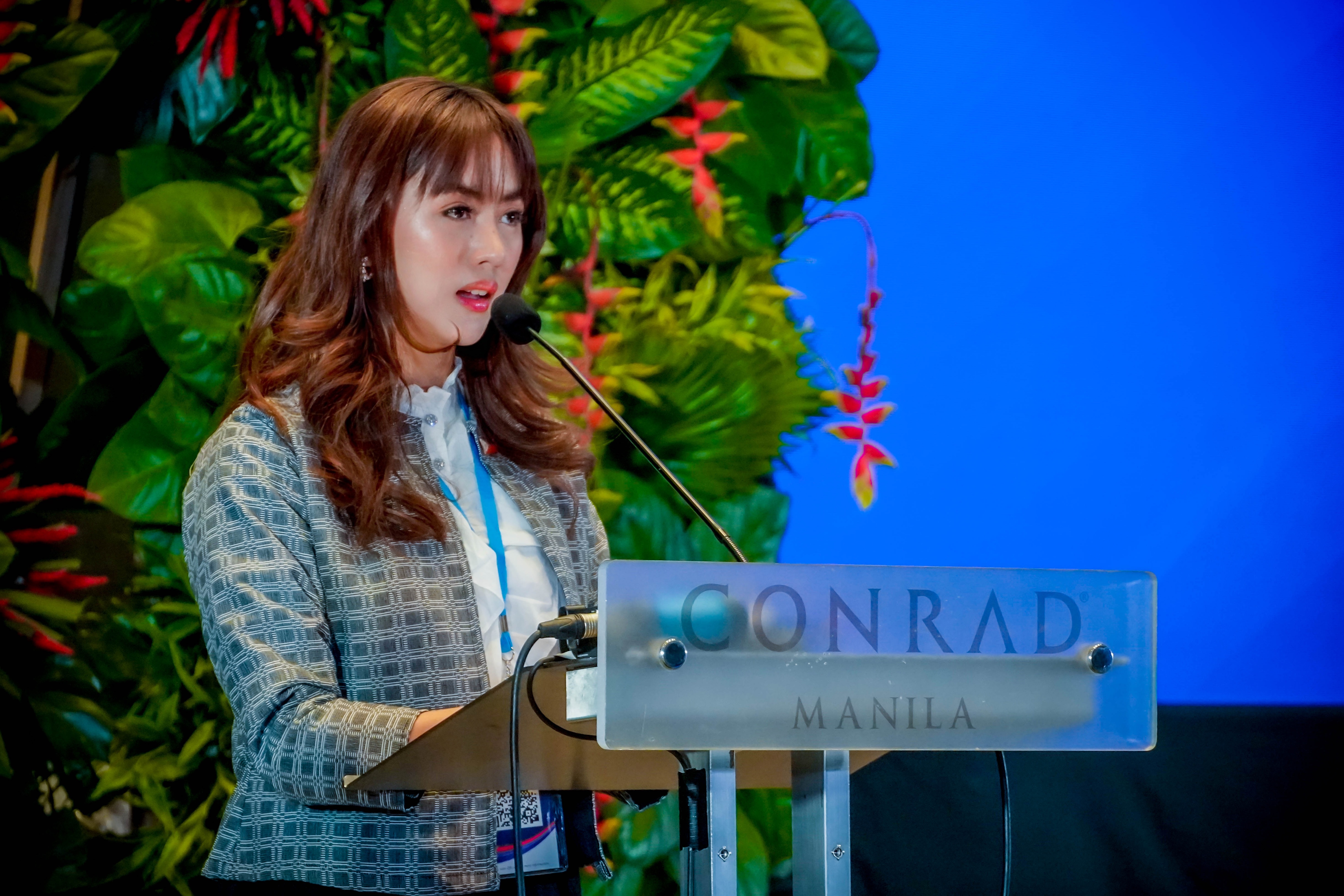
Ruby Sahali was part of the congressional team involved in crafting the Bangsamoro Organic Law (BOL), which paved the way for the creation of the Bangsamoro Autonomous Region in Muslim Mindanao (BARMM). She lost alongside Alyssa Sahali Tan, whose work has focused on agriculture and minority rights, and Nur-Ainee Tan Lim, daughter of MNLF founding chair Nur Misuari and a former BARMM social services official. Their defeats raise questions about how political alliances, party machinery, campaign reach, and voter priorities shape electoral outcomes. More broadly, they warn that experience and contributions to the Bangsamoro’s development do not automatically translate into electoral representation—particularly for women seeking a place in the institutions shaping the region’s future.
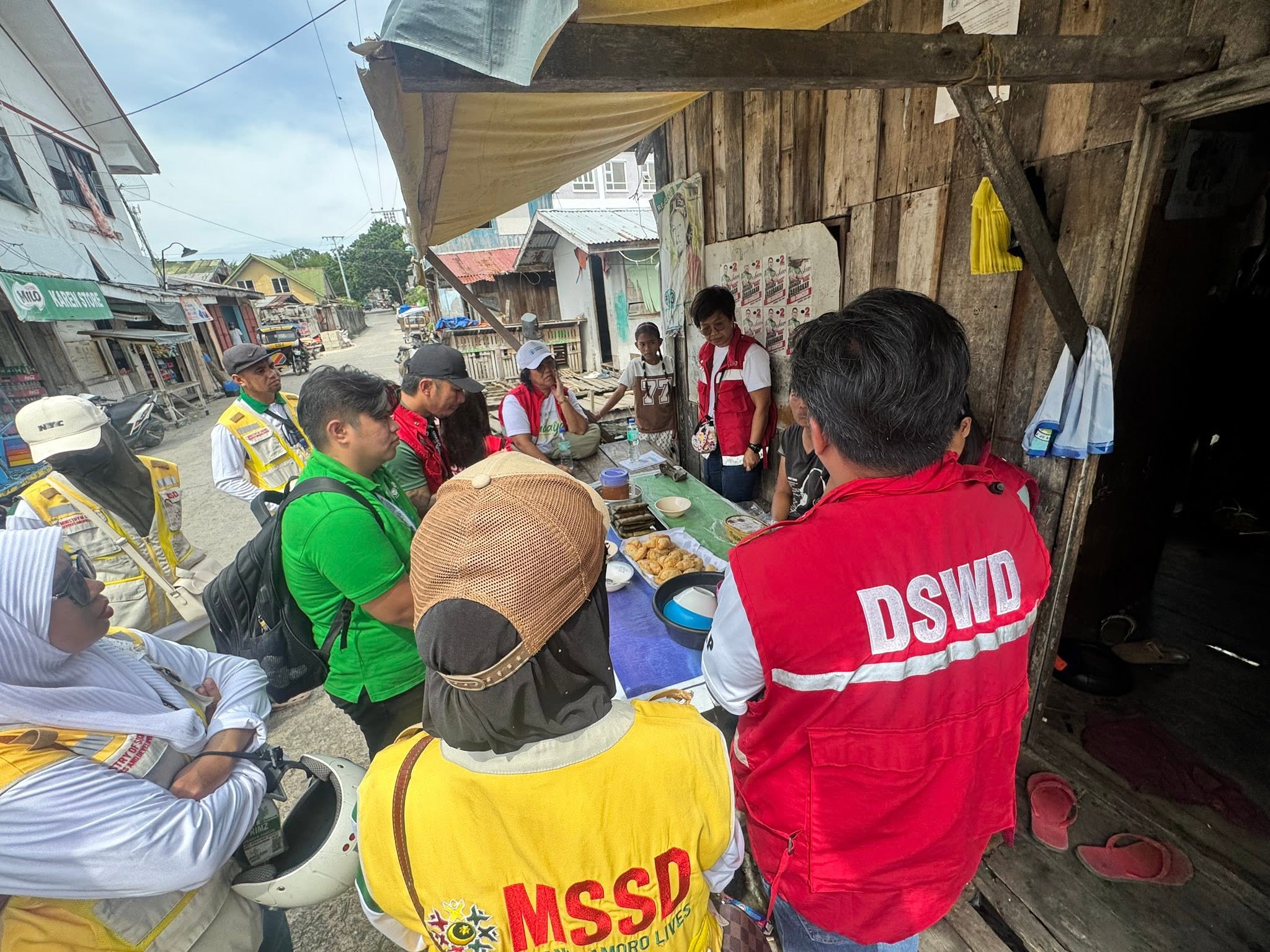
Musawah said he was disheartened by their defeats, emphasizing that electoral losses do not erase years of public service and expertise.
“Elections decide who gets a seat. They do not decide who has expertise,” he argues.
Women have helped shape the Bangsamoro struggle, peace process and community development. They must be recognized not merely as beneficiaries of peace but as architects of the society being built. The government, he says, should continue drawing on the knowledge of women who remain outside Parliament.
The same principle applies to Indigenous peoples, children, LGBTQIA+ communities, displaced families and people living in poverty. Their rights and needs cannot be sidelined once the institutions of autonomy are in place.
For Musawah, the danger is mistaking the creation of government institutions for the completion of peace. The normalization process remains unfinished, including the transition of former combatants into civilian life. Security concerns involving loose firearms, private armed groups and rido, or clan conflict, also persist.
Peace and development, he argues, must advance together. Former combatants need sustainable livelihoods; displaced families need education, healthcare and economic opportunities; and Indigenous communities need meaningful participation in decisions affecting their ancestral lands. Young people must see a future worth investing in.
As coalition negotiations continue, the question is whether political leaders will prioritize governance or simply divide positions among competing blocs. The new Parliament has an opportunity to build a government anchored in accountability, inclusion and a clear development agenda.
Musawah also hopes the formation of the new government will bring stronger leadership to the Bangsamoro Human Rights Commission, including the appointment of a chairperson and commissioners capable of advancing its mandate consistently and protecting all communities whose rights are violated.
The first elected Parliament will assume office on October 30, 2026, when it is scheduled to organize the parliamentary government and elect the Chief Minister. Its decisions will help determine whether the region’s democratic transition translates into meaningful change.
The Bangsamoro has moved from armed struggle toward institutional self-government. But the work of building a just society remains unfinished. The true measure of autonomy will not be the number of seats won or the political alliances formed, but whether people historically excluded from power can finally participate, live safely and access opportunities.
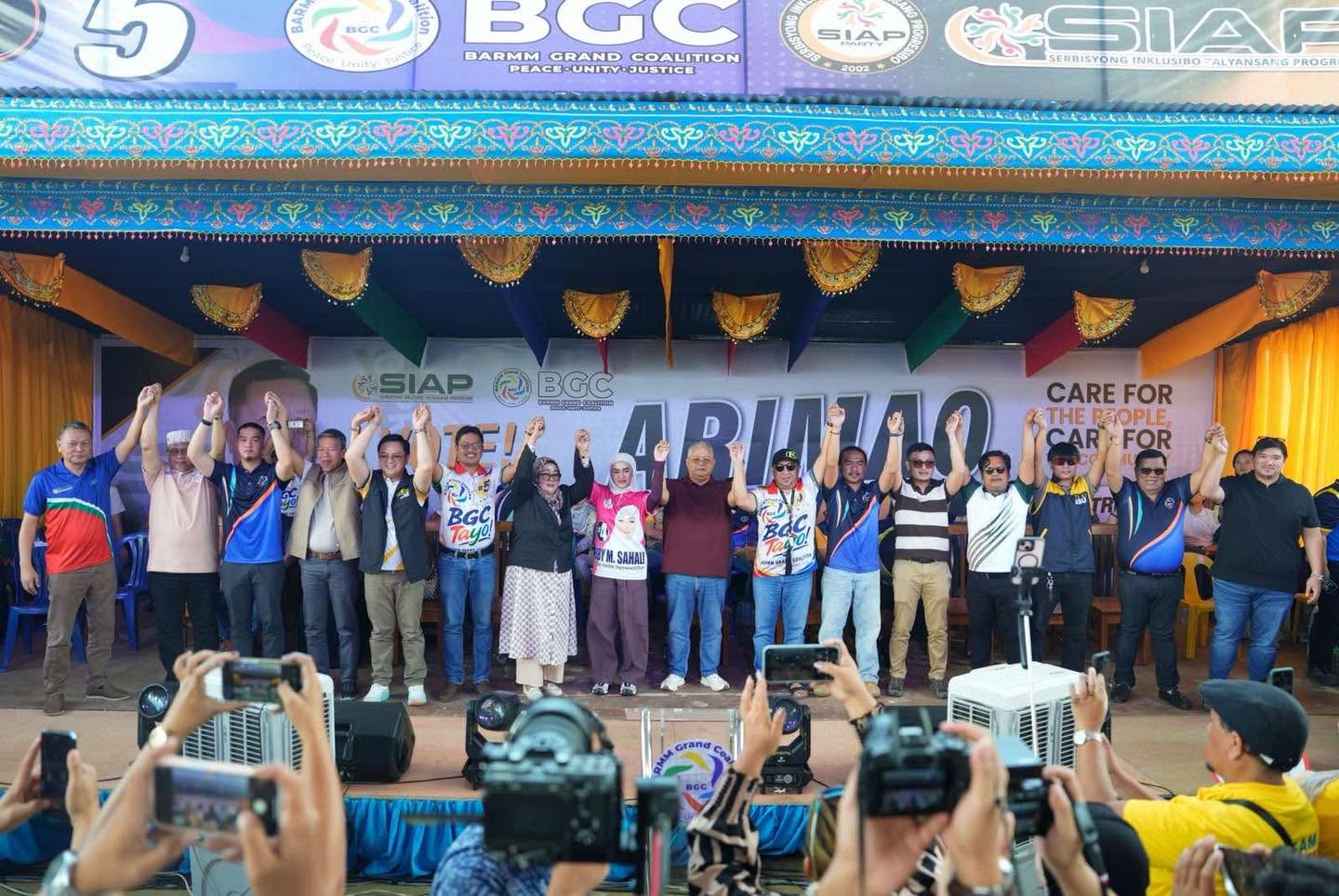
The question facing the new Parliament is therefore simple, but profound: Who is autonomy for?
If the answer includes every Bangsamoro—women and men, Indigenous peoples, young people, LGBTQIA+ communities, displaced families and those living on the margins—then the region will be moving toward the promise of peace.
If not, it risks changing the structure of power without changing the experience of the people.
The revolution may have given way to the ballot. The harder struggle is ensuring that the future belongs to more than those who win it.