
Wika
Wika.

Stories that matter

health · cover story · issue 001 · 5 min readMarch 1, 2026
cover · long read

Taiwan's Biotech Revolution Is Quietly Changing Global Medicine

Best known for its chip fabs, Taiwan has built a world-class biomedical industry that is producing cancer treatments, medical devices, and clinical trial expertise that the global healthcare system depends on.

author
Wika
published
March 1, 2026
read time
5 min read
Taiwan's Biotech Revolution Is Quietly Changing Global Medicine
portrait · on-flash · 50mmwm / 001 — frame 04 of 36
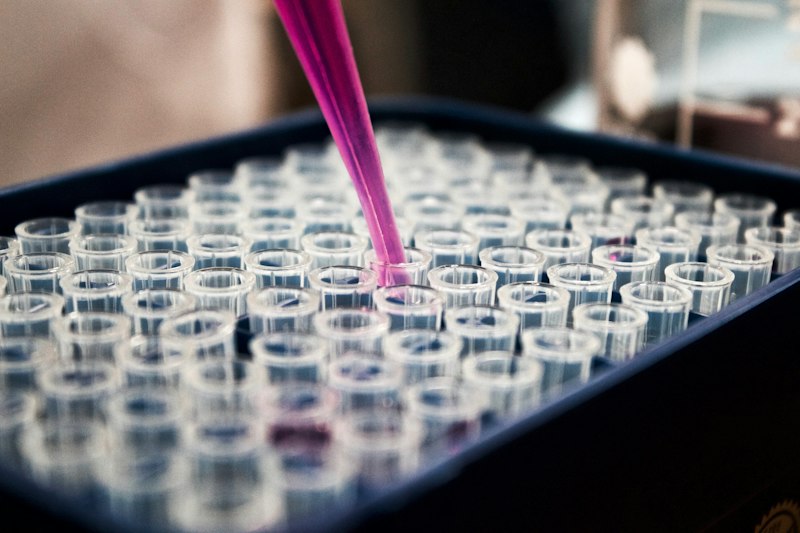
"Best known for its chip fabs, Taiwan has built a world-class…"photo · Wika

The same precision culture that made Taiwan the world's most important semiconductor manufacturer has produced an equally formidable biomedical industry that rarely makes international headlines. Taiwan's National Health Insurance database — which covers 99 percent of the population and tracks every clinical encounter for over two decades — is one of the most valuable medical research assets in the world.

The Data Advantage

Taiwan's universal healthcare coverage is not just a social policy triumph — it is a research infrastructure gift. Epidemiologists, drug developers, and AI health companies have access to longitudinal health data at a scale and quality that rivals anything in Europe or North America. This has made Taiwan an extraordinary base for clinical research, particularly in oncology and chronic disease management.

Companies like PharmaEssentia (myelofibrosis treatments), Medigen Vaccine Biologics (pandemic preparedness), and SiO2 Medical Products' Taiwanese operations are building on this research advantage to develop drugs and devices that are reaching patients globally. Taiwan's FDA-equivalent — the Food and Drug Administration under the Ministry of Health and Welfare — has built a reputation for rigorous but efficient review processes that attract global clinical trials.

The Next Frontier

Taiwan's biotech community is increasingly focused on AI-powered drug discovery — an area where its data assets, engineering talent, and existing pharmaceutical relationships create a potentially decisive competitive advantage. The convergence of its semiconductor expertise with its biomedical knowledge is producing a new category of medical device innovation: chips designed specifically to interface with human biology in ways that are only beginning to be explored.

§ share this story

Comments

join the conversation

Sign in to leave a comment and interact with the community.

sign in to comment

No comments yet. Be the first to start the conversation.

AD · 728 × 90 leaderboard
this slot is for rent
Reach 18-to-28s who actually read.
advertise here →
§ related

more from issue 001.

3
stories in book

the dispatch · sundays at 9

read it before everyone posts about it.