
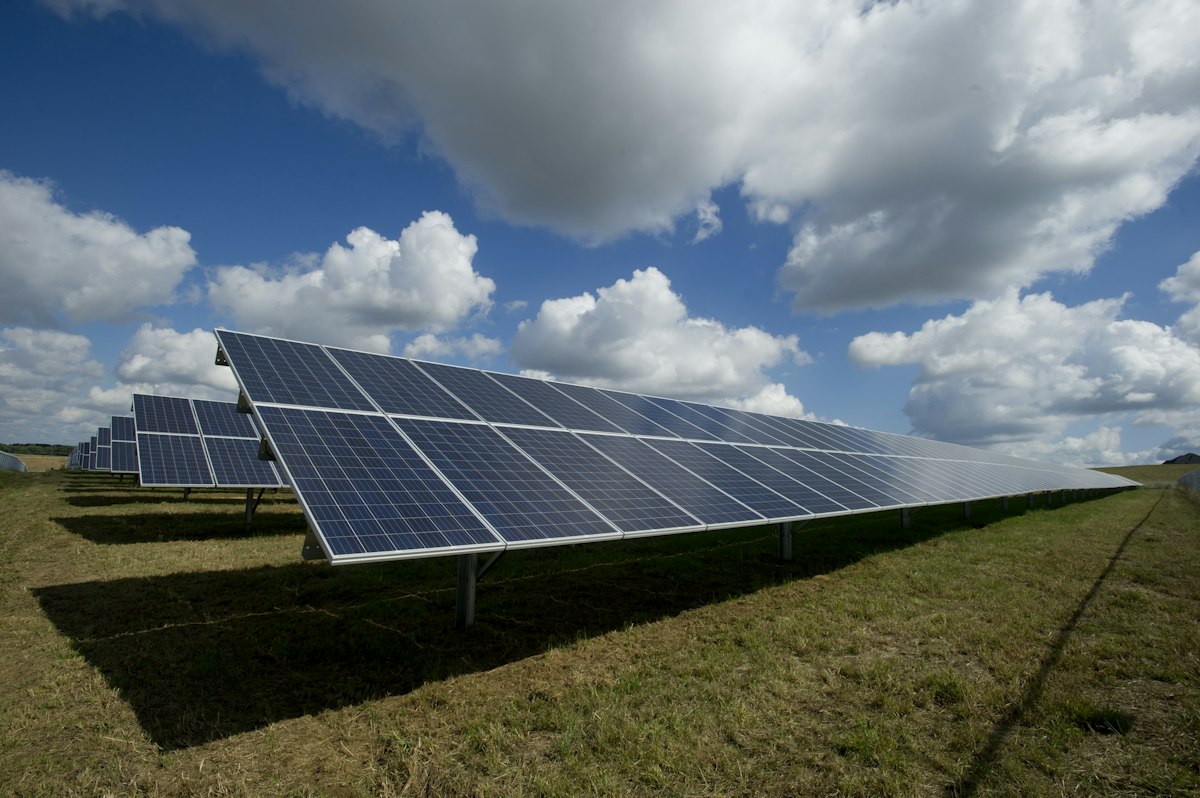
On the rooftops of SM malls from Batangas to Davao, something is quietly changing. Solar panels now cover more than 400,000 square meters of SM Prime's property portfolio — enough to power 50,000 Filipino homes. It is the most visible sign of a dramatic pivot underway across the Philippine corporate landscape, as the country's biggest conglomerates redirect billions of pesos toward renewable energy in one of the most ambitious industrial transformations Asia has seen this decade.
The numbers are staggering. Ayala Corporation's energy arm, ACEN, has committed to retiring all its coal assets by 2030 and deploying 20 gigawatts of renewable capacity across Southeast Asia — a target that would make it one of the region's largest clean energy producers. JG Summit Holdings is investing ₱60 billion in offshore wind projects off the Luzon coast. San Miguel Corporation has quietly become one of the country's largest power producers and is now pivoting its energy mix toward renewables at a pace that surprised even industry analysts.
What is driving this shift? Several forces converge. The Philippines' geographic position — an archipelago with exceptional wind corridors, abundant sunshine, and coastal exposure — gives it a natural endowment for renewable energy that few countries can match. Government policy has aligned: the Department of Energy has set a target of 35% renewable energy in the national grid by 2030, and new regulations allow 100% foreign ownership in renewable energy projects. The cost of solar panels has fallen 90% in a decade, making renewables not just environmentally attractive but economically compelling.
There is also a geopolitical dimension. The Philippines imports virtually all its coal and oil. For corporate boards accustomed to thinking in decades, energy security is now inseparable from energy transition. "We are not doing this only because it's green," one senior ACEN executive told analysts. "We are doing it because it is now the rational commercial decision."
The risks are real. Grid infrastructure in the Philippines was not designed for the variability of renewable generation at scale. Offshore wind projects face regulatory complexity and typhoon engineering standards that add significant cost. And the capital required — over ₱200 billion in committed investment through 2030 — is testing the balance sheets even of century-old conglomerates.
For the ordinary Filipino, the transformation's promise is lower electricity bills — the Philippines has among the highest electricity costs in Southeast Asia. Whether the green gamble pays off is a question that will define the Philippine economy for a generation.


