
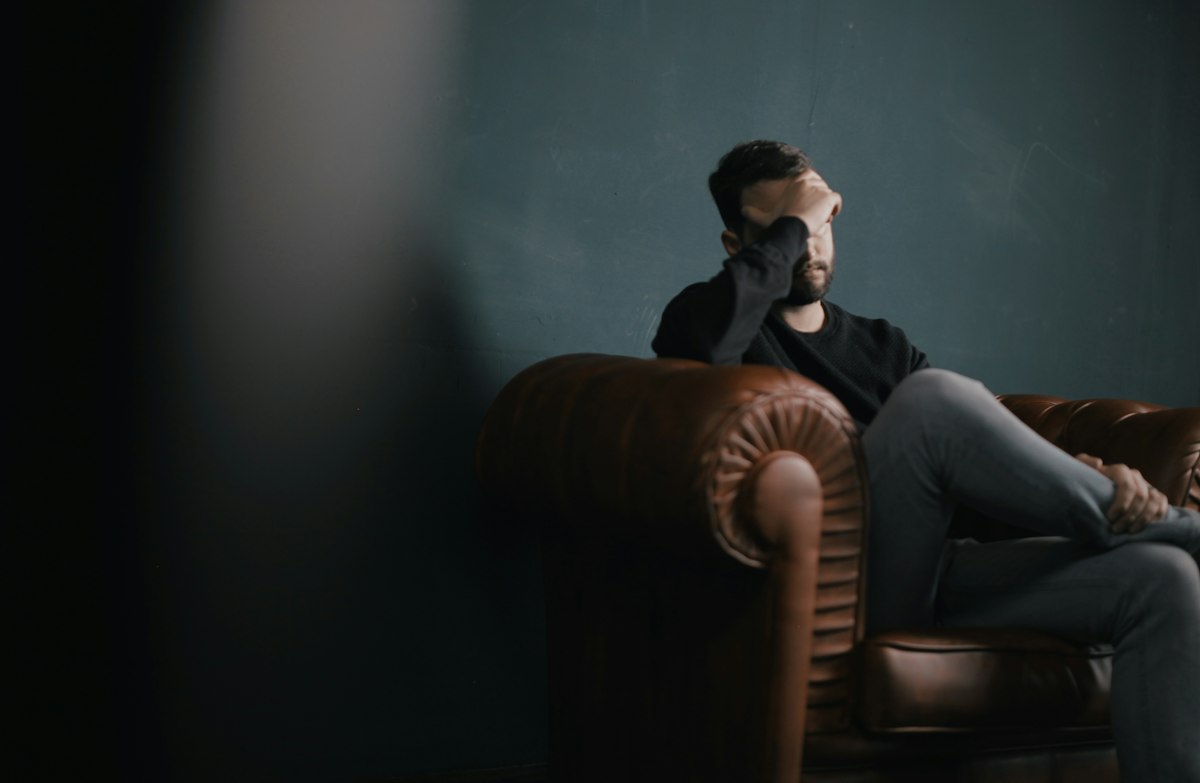
In a cramped apartment in Quezon City, 19-year-old Marisol Aguilar shows me the journal she started keeping during the pandemic. The entries from 2020 and 2021 are difficult to read — spiraling thoughts, days that blur into each other, a pervasive sense of hopelessness that she was too ashamed to share with anyone.
"I didn't know what was happening to me," she says. "I thought I was just weak. My family doesn't really talk about feelings. We talk about grades, about jobs, about money. But feelings?" She makes a gesture of dismissal that somehow conveys both affection and exasperation for the culture she loves.
Marisol is not alone. Depression and anxiety rates among Filipinos aged 15 to 24 have tripled since 2020, according to the Department of Health's latest Mental Health Situation Report. The suicide rate among young Filipinos has increased by 47% over the same period. The numbers sit behind statistics that, recited quickly, can feel abstract — but each one represents a person, a family, a community in pain.
The factors driving the crisis are multiple and interconnected. The COVID-19 pandemic compressed years of isolation and uncertainty into a period of intense psychological stress. Social media algorithms serve young people a constant diet of comparison, conflict, and catastrophe. Economic insecurity — youth unemployment remains above 12% — generates chronic stress. And the Philippine cultural tradition of hiya (shame) and the concept of utang na loob (debt of gratitude) can make seeking help feel like an admission of failure.
The Philippine Mental Health Act, passed in 2018, was a landmark recognition of the crisis. But implementation has been painfully slow. The country still has fewer than 800 psychiatrists for a population of 115 million — a ratio of roughly one psychiatrist per 144,000 people. In rural provinces, the ratio is far worse; many provinces have no psychiatrist at all.
What gives advocates cautious hope is the changing attitudes among young Filipinos themselves. Unlike previous generations, many young people today speak openly about therapy, medication, and mental health struggles — on social media, in friend groups, in the workplace. The stigma is not gone, but it is weakening.
"Our generation is finally saying: this is not weakness," says Marcus Velasquez, 22, who now volunteers as a crisis text line counselor after his own experience with depression in college. "Asking for help is how you survive. That idea is spreading."


