
Wika
Wika.

Stories that matter

business · cover story · issue 001 · 5 min readMarch 1, 2026
cover · long read

Japan's Anime Pilgrimage Culture Is Reshaping Domestic Tourism

Fans traveling to the real-world locations that inspired their favorite anime series — a practice called "seichi junrei" — are pumping billions into Japan's regional economies and changing how the country thinks about its cultural heritage.

author
Wika
published
March 1, 2026
read time
5 min read
Japan's Anime Pilgrimage Culture Is Reshaping Domestic Tourism
portrait · on-flash · 50mmwm / 001 — frame 04 of 36
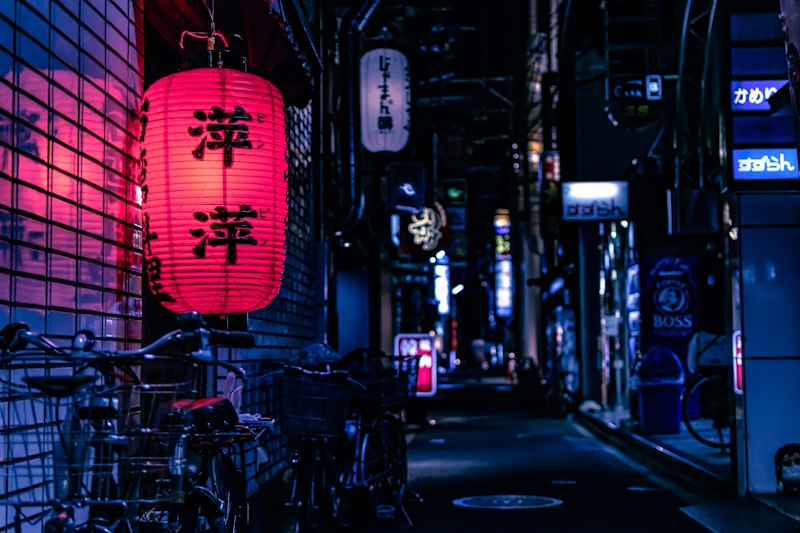
"Fans traveling to the real-world locations that inspired the…"photo · Wika

In the mountain town of Chichibu, northwest of Tokyo, something unusual has been happening on weekday mornings. Groups of young people — many of them foreign tourists — stand in front of ordinary train stations, vending machines, and convenience stores, comparing their surroundings to screenshots on their phones. They are pilgrims of a sort: visitors to the real-world locations that inspired the anime series "Anohana: The Flower We Saw That Day," released in 2011 and still drawing devotees fifteen years later.

The Scale of the Phenomenon

Seichi junrei — anime pilgrimage, literally "sacred place pilgrimage" — is no longer a niche activity. The Anime Tourism Association estimates that over 10 million pilgrimages take place in Japan annually, contributing several hundred billion yen to local economies. Towns that appear in popular series see sustained visitor growth that often outlasts the series' peak popularity by decades.

The economics are striking. Oarai, a coastal town in Ibaraki Prefecture that appeared in "Girls und Panzer," has built an entire local identity around the association — with themed merchandise, character-branded local businesses, and seasonal events that draw tens of thousands of visitors who would otherwise have no reason to make the trip. The tourism revenue has partially offset the economic decline that many Japanese regional towns face as young people move to cities.

Cultural Infrastructure

Japan's content industry is beginning to recognize seichi junrei as a deliberate development strategy rather than a happy accident. Regional governments and production companies are collaborating to choose filming and setting locations that can benefit from visitor traffic, to create infrastructure that supports pilgrimage (QR codes linking locations to scene cuts, pilgrim passport stamp systems), and to develop ongoing local products and experiences that give visitors reasons to return. Anime is remaking Japan's relationship with its own geography.

§ share this story

Comments

join the conversation

Sign in to leave a comment and interact with the community.

sign in to comment

No comments yet. Be the first to start the conversation.

AD · 728 × 90 leaderboard
this slot is for rent
Reach 18-to-28s who actually read.
advertise here →
§ related

more from issue 001.

3
stories in book

the dispatch · sundays at 9

read it before everyone posts about it.