HR was more than my profession. It had become part of my identity.
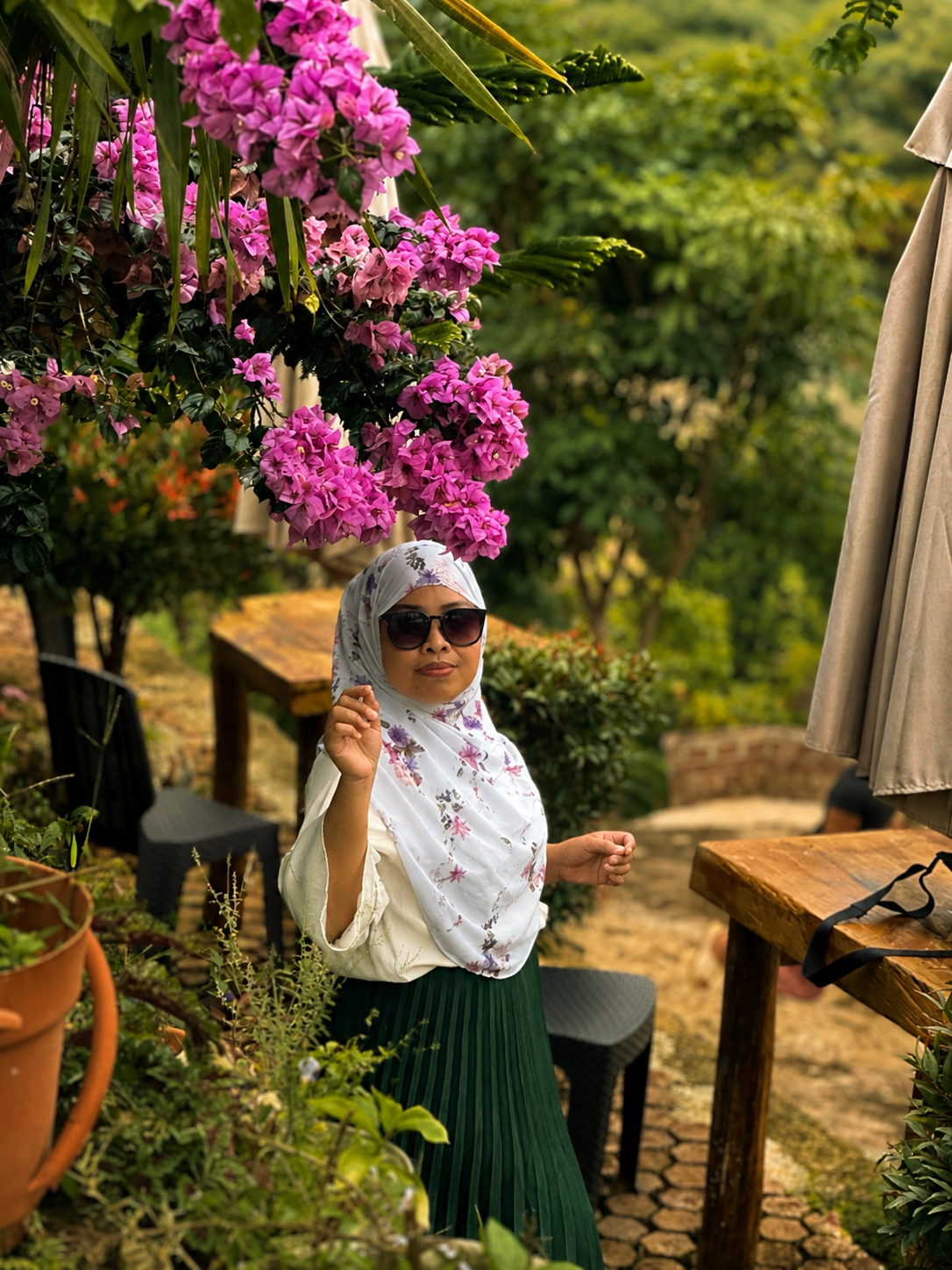
Then came a different season. I stepped away from the traditional workplace and became what I now casually call HR on Break.
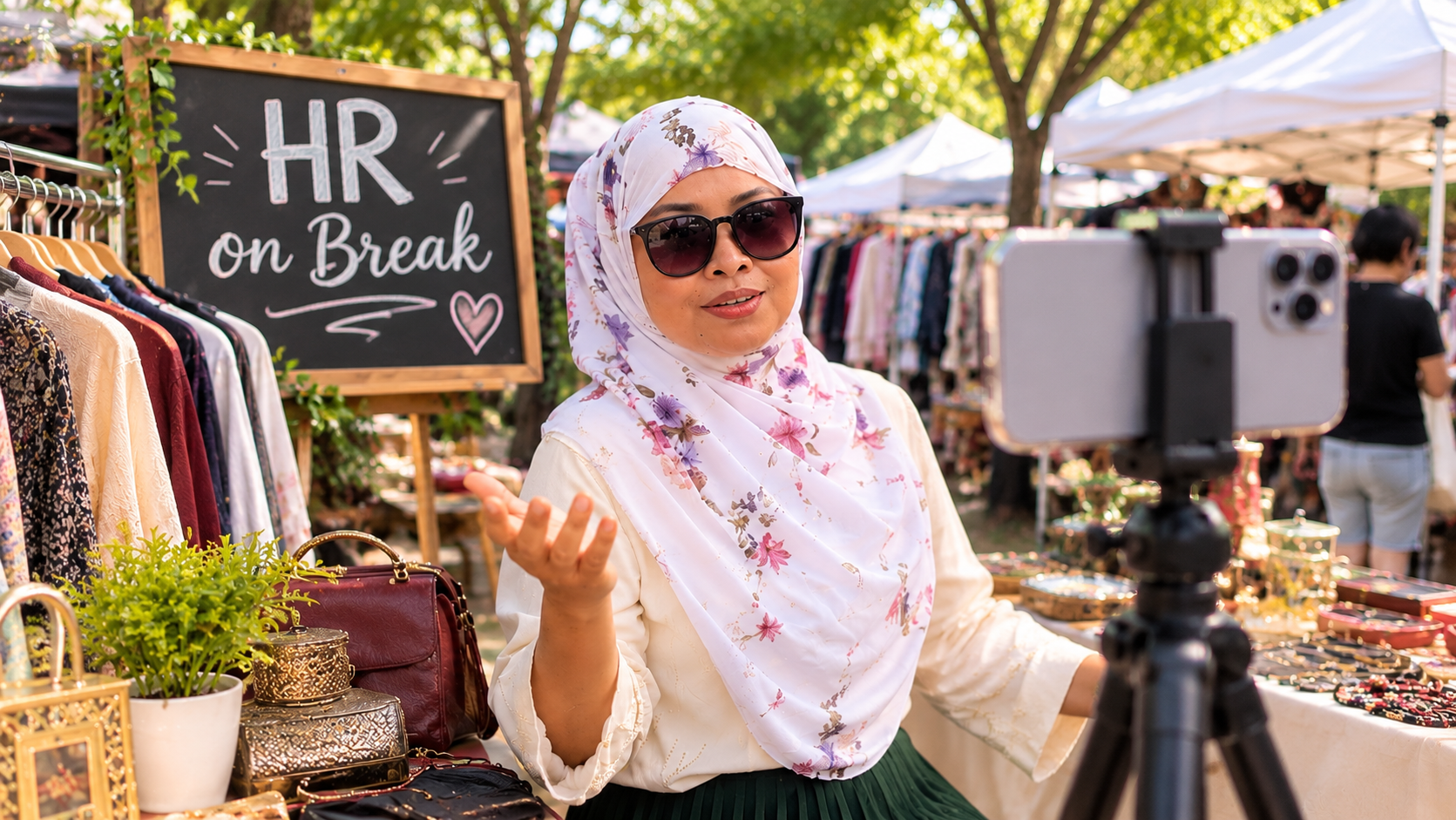
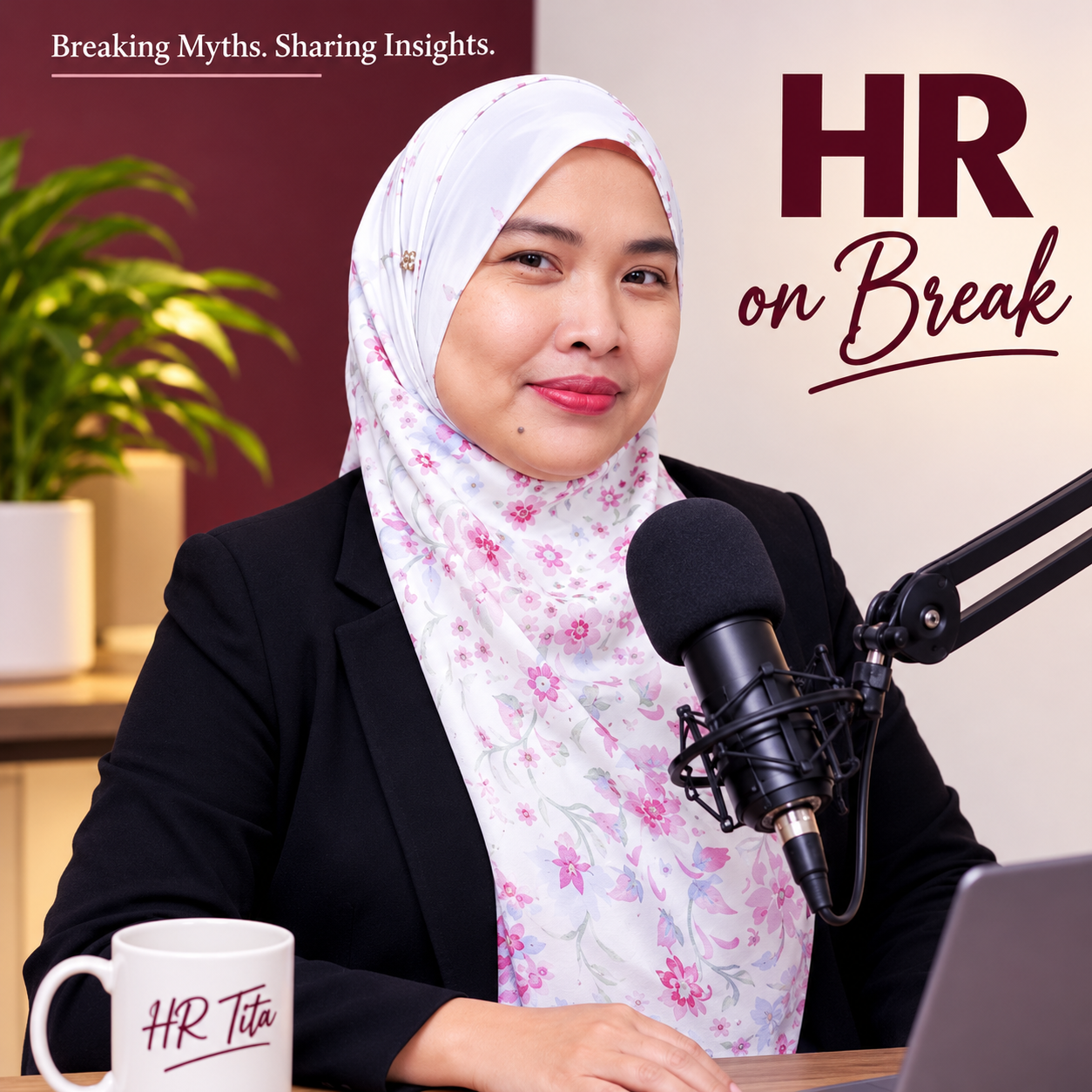
Without an office to report to or a job title to introduce myself with, I found myself navigating a different kind of everyday life. These days, I study, write, create content, take care of things at home, help with fundraising, declutter, and sell things online and at flea markets. Somewhere along the way, I also started making little vlogs called HR Tita, on Break.
I did not set out to build a personal brand. I simply wanted to document what life looked like outside the HR office.
When the Office Disappears
There is something reassuring about having a job. You know where you need to be, what you are expected to accomplish, and who depends on you. There are schedules, targets, deadlines, and responsibilities. At the end of the day, you can look back and identify what you have achieved.
But when that structure disappears, things feel different.
There is no attendance sheet, organizational chart, official designation, or job description telling you what to do next.
For someone who has spent 16 years working in a profession built around positions, competencies, performance, and career progression, the adjustment can be uncomfortable.
I spent years helping organizations understand what people bring to the workplace. Suddenly, I was outside that structure, asking myself a similar question:
What do I bring when I am no longer defined by a position?
It was a question I had never really needed to ask before.
The Unexpected Lessons of Selling
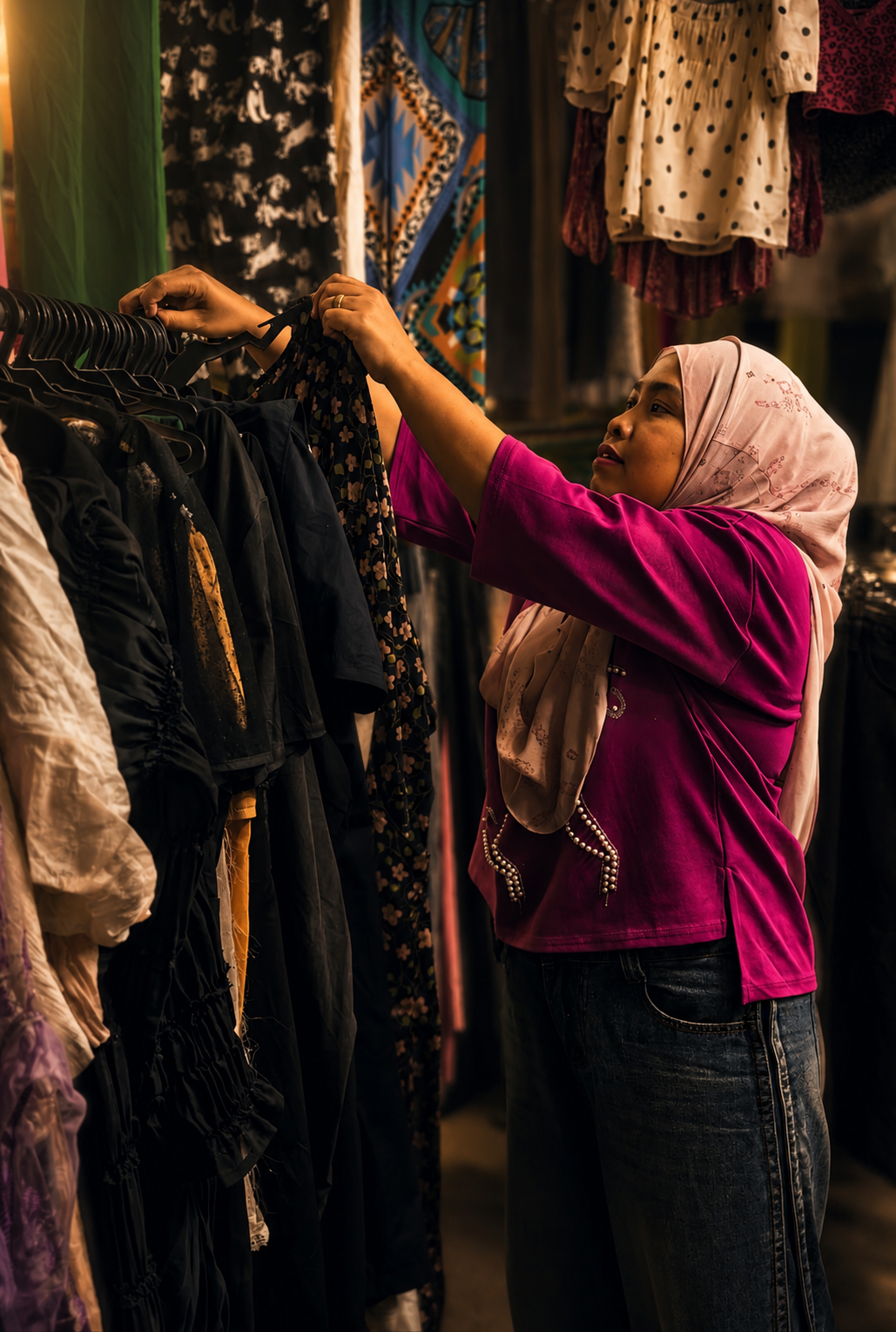
Interestingly, selling things was not entirely new to me. Even before my career break, I enjoyed selling clothes, household items, and other things I no longer used. I liked the idea that something taking up space in my home could still be valuable to someone else.
During my break, I simply found myself doing more of it.
Some items go online. Others end up on a table at a flea market, where the experience becomes an entirely different kind of education.
People walk by, examine an item, ask for the price, negotiate, and sometimes leave without buying anything. Others return after looking around.
The familiar questions never fail to come:
“How much?”
“Last price?”
You negotiate, explain, smile, and sometimes let a potential buyer walk away. Eventually, you learn not to take rejection personally.
And that is when I started noticing how much selling reminded me of HR.
Not everyone who applies for a position gets hired. Not everyone qualified gets selected. Not every opportunity leads to an agreement. People have different needs, priorities, preferences, and reasons for saying yes or no.
You learn to communicate without forcing, negotiate without compromising your value, and understand that something one person does not appreciate may be exactly what another person is looking for.
A flea market, I realized, can be an unexpected classroom.
There are no credentials to present or professional titles to hide behind. People simply evaluate what is in front of them. Is it useful? Is the price reasonable? Is it worth taking home?
I find something refreshing about that simplicity.
Apparently, My HR Skills Came With Me
When I started making HR Tita, on Break, I wanted a space where I could share random observations, HR insights, thoughts about work and public service, and snippets of my everyday activities.
Sometimes the videos are educational. Sometimes they are funny. Sometimes I am selling something. Other times, I am simply documenting an ordinary day.
But one thing has become increasingly clear: leaving the office does not mean leaving your skills behind.
I still negotiate, communicate, listen, organize, observe people, and solve problems. Sixteen years in HR trained me to pay attention to human behavior, and that instinct does not disappear when you step outside the workplace.
I see it in the way someone negotiates a price, makes a decision, changes their mind, or recognizes value.
After all, HR has always been about people. And people do not exist only inside organizations.
Work Does Not Always Look Like Employment
This experience has also changed how I think about work.
We often equate being employed with being productive. If someone has a regular job, we recognize that they are working. But when someone does not have conventional employment, there is sometimes an assumption that they are simply waiting for their next opportunity.
What about the parent running an online business? The freelancer, home-based entrepreneur, student, or person selling pre-loved clothes at a weekend market?
They are working, too.
''Hindi dahil walang regular work, wala nang work.''
Sometimes work comes without a payslip. Sometimes it happens through a phone screen, at a kitchen table, or behind a small flea market stall. And sometimes, it simply means figuring out how to make the day work while taking care of other responsibilities.
I have learned that productivity does not always need an office address.
A Career Is Something You Carry
Of course, there are moments when I wonder whether I should be doing something more conventional. I see people getting promoted, moving into new positions, earning degrees, and reaching new milestones. Naturally, I sometimes ask myself: Am I falling behind?
But I am slowly realizing that a career is not measured solely by how continuously you move upward.
Sometimes you move sideways. Sometimes you pause. Sometimes you explore opportunities you would never have considered while following a familiar professional path.
A career break does not erase 16 years of experience. The knowledge, skills, relationships, successes, and even mistakes remain part of who you are. You carry them into whatever comes next.
Even to a flea market. Even to a little vlog. Even to an ordinary Facebook post.
So, What Am I Doing Now?
I still do not have one perfect answer, and perhaps I no longer need one.
I am still an HR practitioner, although I am not currently practicing in the traditional workplace. I am also a mother. I study, write, create, sell, help when I can, and explore possibilities. Some things work. Others do not. Then I try again.
I have stopped seeing this season as empty space. It is full of little transactions, lessons, experiments, failures, and small victories.
Perhaps that is what HR on Break really means. It is not an HR practitioner who has stopped working. It is someone who has stepped outside the office and started looking at work from a different perspective.
I used to think a career was something you built by staying on a particular path. Now I understand that it is also something you carry with you, even when you take a detour.
So, when someone asks, “What are you doing now?”
My answer can be simple.
A little bit of everything.
I am not retired. I am not lost. And I am certainly not doing nothing.
I am still working. Just differently.