
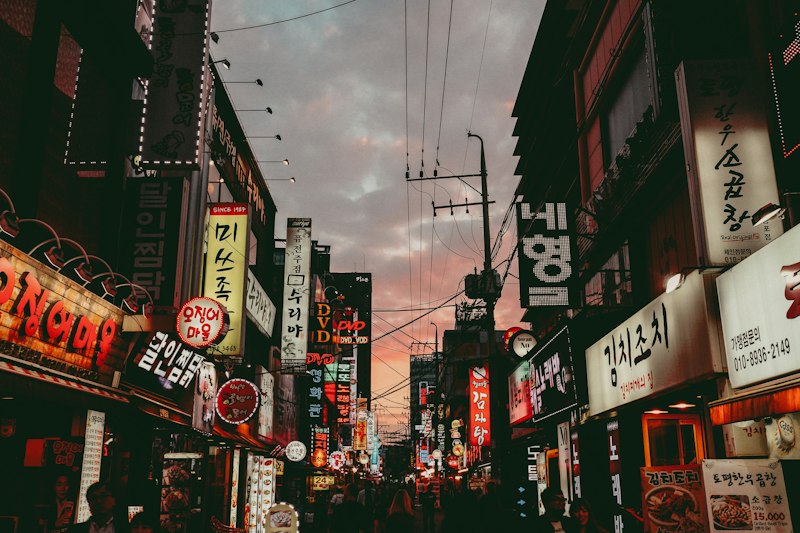
The first wave of Hallyu — Korean Wave — was driven by K-dramas spreading across Asia in the late 1990s. The second wave, powered by K-pop's global conquest from Gangnam Style to BTS, peaked somewhere around 2020 and has since become simply the background hum of global popular culture. The third wave is quieter, deeper, and potentially more consequential than either of its predecessors.
Webtoons and the New Literature
Korean webtoons — digitally-native comics optimized for vertical smartphone scrolling — have become a dominant global narrative format. Platform Naver Webtoon reaches over 175 million monthly users across 150 countries. The formats pioneered in Korea are being adopted by creators from Brazil to Nigeria. Multiple major Hollywood films and Netflix series — "Sweet Home," "Hellbound," "All of Us Are Dead" — are adaptations of webtoon originals, establishing Korean storytelling as a global source of intellectual property.
The economic logic is elegant: Korean webtoon creators build audiences globally, creating demand for adaptations that Korean studios are uniquely positioned to produce. The pipeline runs from creator to screen with Korea at every step.


