
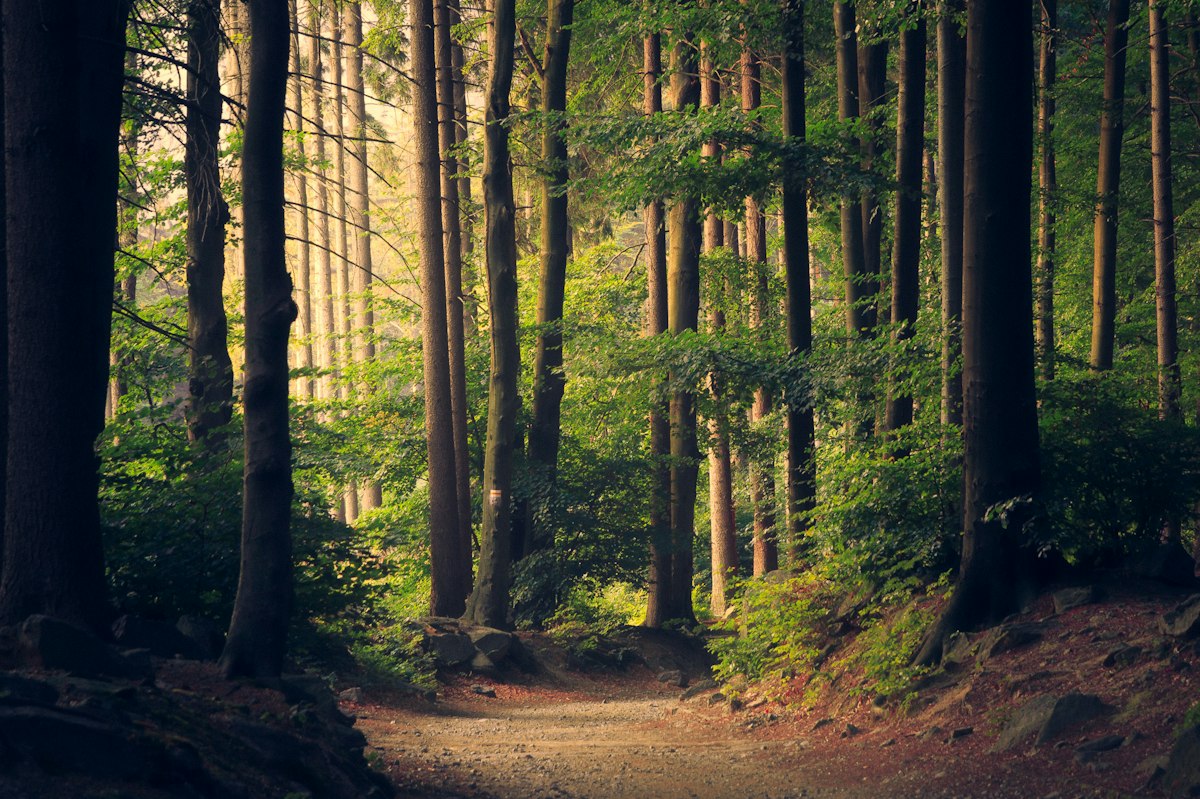
There is a particular quality to the light in a Japanese cedar forest in early morning — filtered, diffuse, greenish-gold — that is unlike any indoor illumination ever devised. The air carries compounds called phytoncides, volatile organic chemicals released by trees as a kind of biological defence, and your body is already responding to them before you are consciously aware of anything unusual. Cortisol levels are dropping. Blood pressure is easing. The sympathetic nervous system, stuck on high alert, is beginning to stand down.
This is shinrin-yoku — forest bathing — and what sounds like a wellness trend is actually one of the most rigorously studied preventive health practices in the world. The Japanese government coined the term in 1982 and began investing in research and infrastructure almost immediately. What they suspected intuitively has since been confirmed by hundreds of peer-reviewed studies across multiple countries: spending time among trees is measurably, significantly good for human health.
The mechanism is now well understood. Phytoncides, particularly alpha-pinene and limonene, have demonstrable effects on the human immune system — specifically on Natural Killer cell activity, which is part of the body's defence against cancer. A single day-walk in a forest increases NK cell activity for up to thirty days. Regular exposure appears to have cumulative benefits.
Beyond the biochemistry, the psychological effects are profound. Attention Restoration Theory, developed by researchers Rachel and Stephen Kaplan, suggests that natural environments restore directed attention capacity in ways that urban environments cannot. The cognitive load of navigating a city — processing traffic, signage, social cues, digital stimuli — depletes a mental resource. Nature, which requires a different, softer kind of attention, replenishes it.
Japan has responded to this research by developing a national network of 62 certified Forest Therapy trails across 48 prefectures, each one verified through measurements of participant physiology before and after guided walks. Forest Therapy guides — certified professionals who lead slow, sensory-focused walks — practice an art that is part naturalism, part psychology, part meditative practice.
The trails range from the mystical cedar forests of Yakushima, a UNESCO World Heritage island where trees live for thousands of years, to suburban woodlands forty minutes from central Tokyo where office workers come on weekend mornings to recover themselves.
What shinrin-yoku demands is almost nothing. You walk slowly. You notice. You do not wear headphones. You do not check your phone. You let the forest do its work. In a world that prizes productivity and constant stimulation, this simple instruction — do less, attend more — turns out to be genuinely radical.


