For many children in the Bangsamoro, the simple dream of going to school remains an uphill battle. For others, particularly children with disabilities, the barriers are even greater. Classrooms are limited, specialized teachers are scarce, and entire communities remain beyond the reach of essential educational services.
Behind the numbers are children whose potential remains untapped, parents who struggle to provide for their families, and communities that have waited far too long for opportunities that others may take for granted. The scale of the challenge is reflected in the region's education statistics.
During a meeting with UNICEF, Ministry of Basic, Higher and Technical Education (MBHTE) Minister Naguib Sinarimbo presented a sobering picture of education in the Bangsamoro Autonomous Region in Muslim Mindanao (BARMM). The region's functional literacy rate stands at 64.7 percent, below the national average of 69 percent. More alarming is the reported education survival rate of just 6.6 percent, translating to approximately seven out of every 100 children entering elementary school eventually completing a college degree. Learning outcomes are similarly concerning, with Grade 6 pupils in the region reportedly demonstrating competencies comparable to those of Grade 2 pupils in other parts of the country. But perhaps one of the most overlooked realities is the condition of Special Education in the region.
A Forgotten Sector in an Already Struggling Education System
For children with disabilities and special educational needs, the right to education often comes with additional obstacles. According to the Congressional Policy and Budget Research Department's Special Education (SPED) Profile in the Philippines, BARMM had only two SPED centers as of early 2023, accounting for approximately 0.2 percent of the national total. Accessibility remains another major concern. Fewer than 35 percent of school buildings in the region reportedly comply with accessibility standards for persons with disabilities, falling below the national average. Meanwhile, more than 33,000 children in BARMM are estimated to experience functional difficulties. Many remain out of school or lack access to the support they need because of insufficient trained teachers, inadequate learning materials, displacement, armed conflict, and the geographical difficulties of reaching remote and island communities.
The struggle extends beyond the classroom. In 2025, poverty incidence among families in BARMM was estimated at 12.8 percent, equivalent to approximately 92,170 families living below the income threshold needed to meet their minimum food and non-food requirements. For these families, education is not simply about enrolling a child in school. It is about being able to afford school supplies, access adequate healthcare, travel across islands, and secure a future that may seem increasingly out of reach. It is against this backdrop that a young Member of the Bangsamoro Parliament has chosen to take up the fight.
A Champion for Children Who Have Been Left Behind
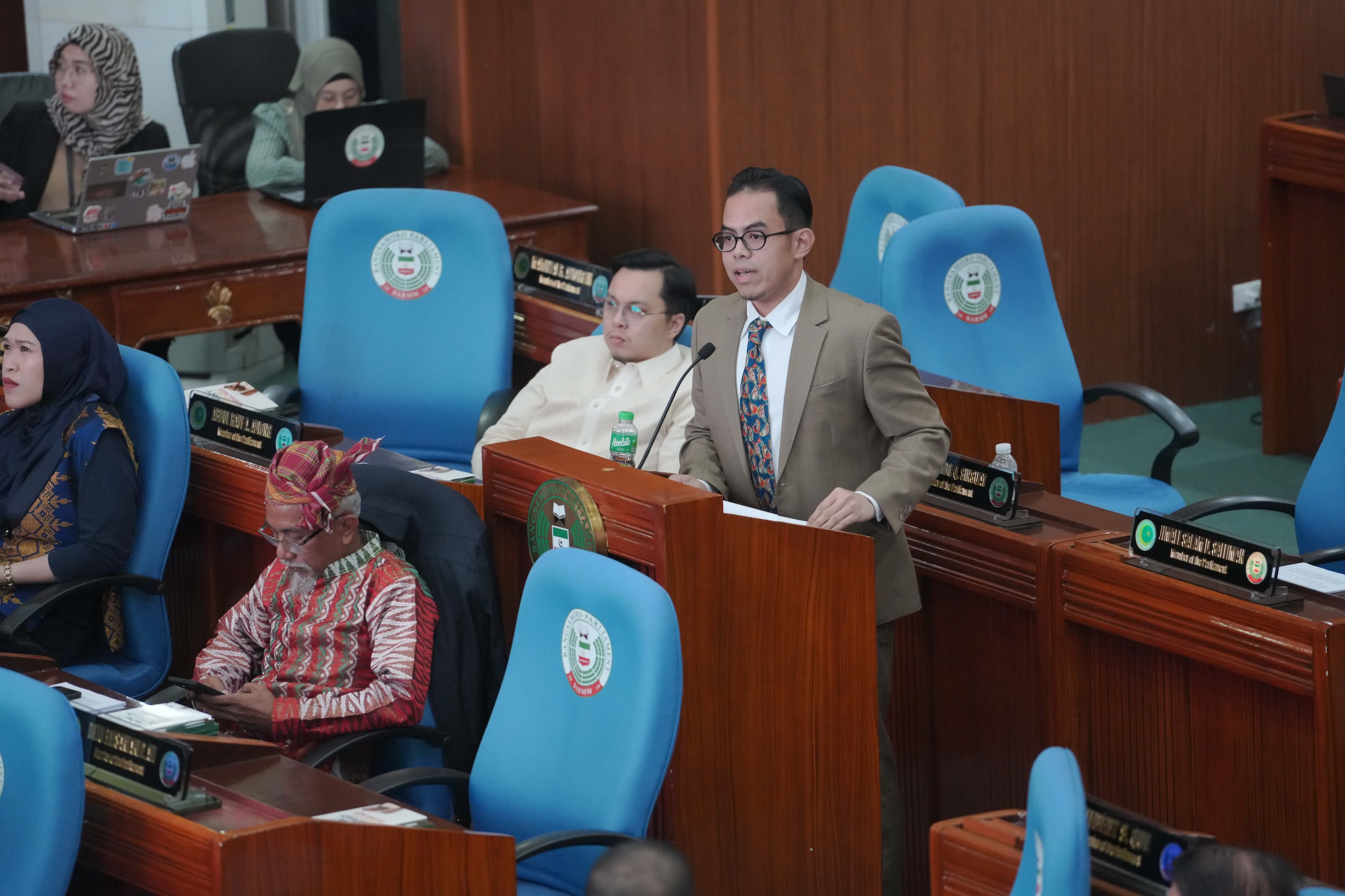
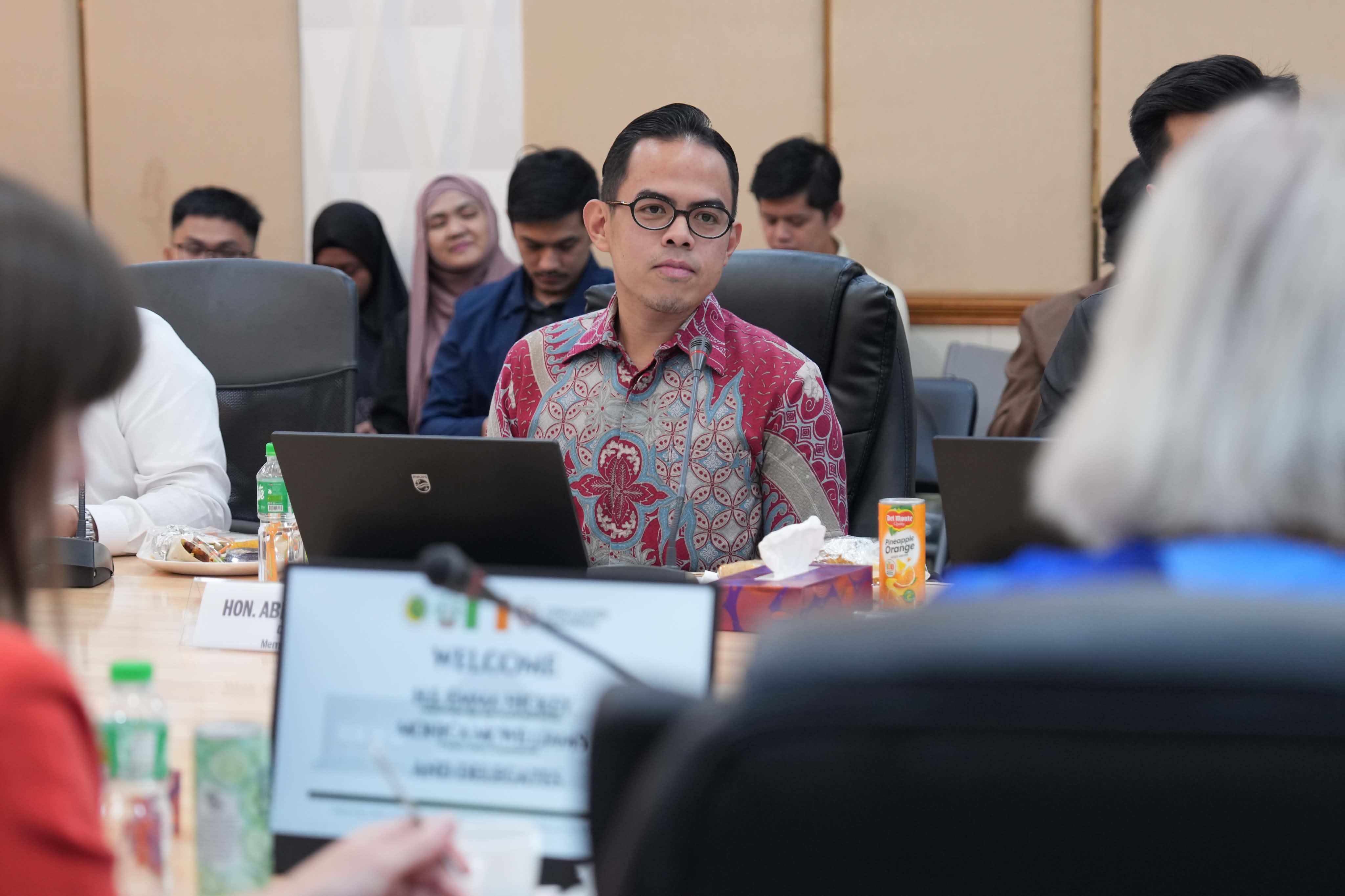
Deputy Speaker and Basilan Third District Representative MP Abrar J. Hataman is advancing an agenda that places inclusive education and the welfare of marginalized communities at the heart of his public service.
In 2025, he filed the BARMM Special Education and Development Act, a legislative measure seeking to address the longstanding shortage of facilities and services for children with disabilities and special educational needs. The proposed legislation seeks to establish SPED centers in every provincial capital, complemented by extension centers in remote and island communities. It also provides for specialized teacher training, adapted learning materials, early intervention, and stronger coordination with healthcare providers.
More than an infrastructure proposal, the measure recognizes a fundamental principle: a child's disability, economic circumstances, or place of residence should never determine whether that child deserves an education. For children who have long been overlooked by the system, such a policy direction offers something essential—not simply access to a classroom, but the opportunity to be seen, supported, and given a chance to succeed.
Standing Up for Teachers in the Islands
But the fight for accessible education does not end with building classrooms and establishing SPED centers. Behind every child who manages to stay in school is a teacher who often makes considerable sacrifices to bring education to communities that are difficult to reach.
In the island provinces of Basilan, Sulu, and Tawi-Tawi, teachers contend with geographical isolation, challenging transportation conditions, limited resources, and difficult working environments. For educators assigned to far-flung communities, reaching their classrooms can itself be a daily undertaking. Recognizing these realities, MP Hataman also principally authored Parliament Bill No. 368, or the Special Hardship Allowance for Teachers in the Island Provinces of Basilan, Sulu, and Tawi-Tawi Act. Filed in June 2025, the proposed measure seeks to grant qualified public school teachers in the covered island provinces a Special Hardship Allowance equivalent to at least 25 percent of their monthly salary, payable over ten months annually and released quarterly.
The proposed coverage includes elementary and secondary public school teachers, as well as educators assigned to hardship posts, multigrade teachers, mobile teachers, Alternative Learning System coordinators, and school heads serving in designated hardship areas. The measure recognizes that teachers working in geographically isolated and difficult-to-reach communities deserve institutional support and appropriate compensation for the conditions under which they serve. For the island communities of Basilan and Tawi-Tawi, where access to education is already constrained by geography and limited resources, supporting teachers is also an investment in the children and families who depend on them. Together, the proposed SPED legislation and the Special Hardship Allowance measure reflect two complementary concerns: ensuring that every child has access to education and recognizing the educators who make that access possible.
Beyond Legislation: Bringing Hope Through AHON Bangsamoro
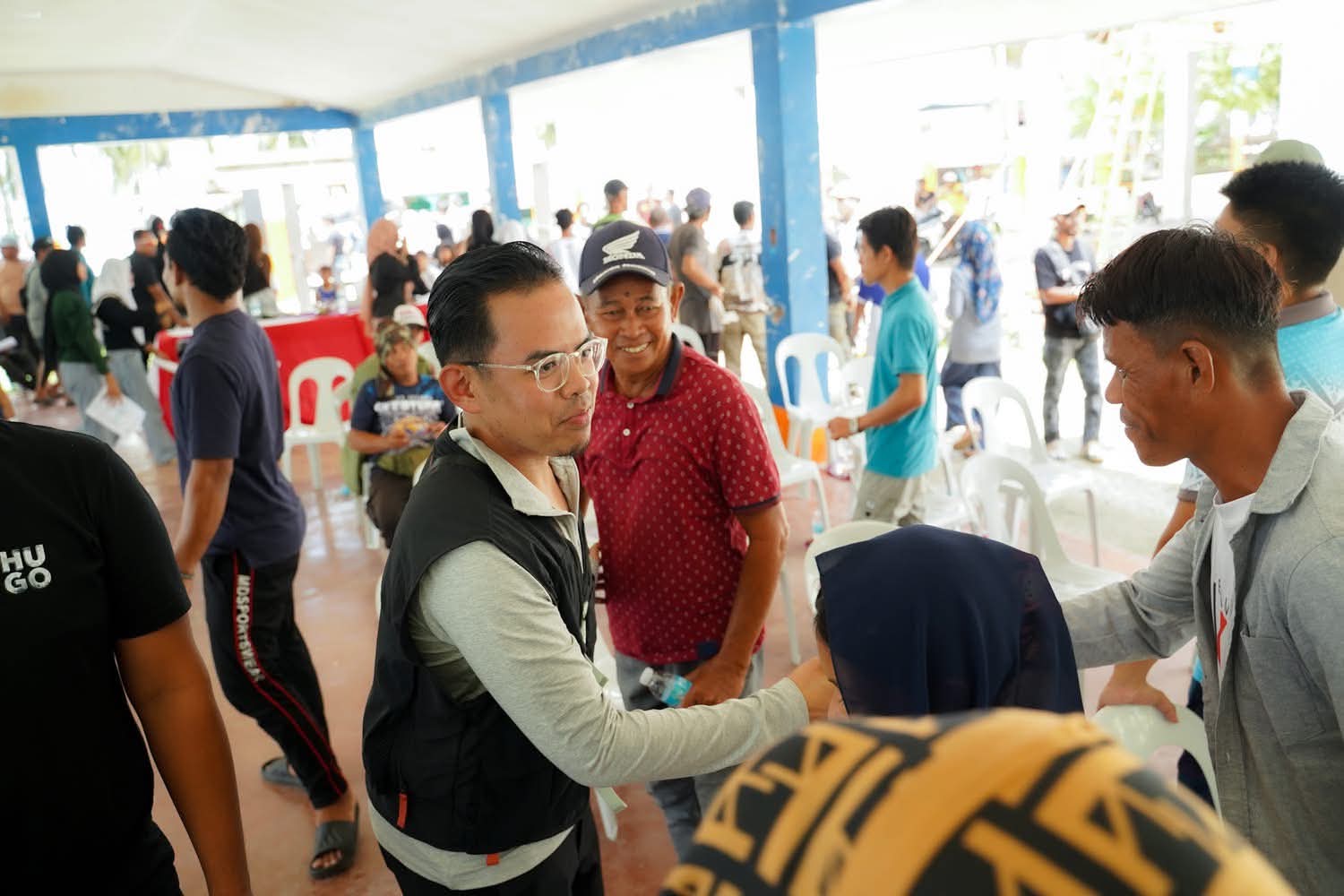
Through AHON Bangsamoro, the social and community development arm of his parliamentary office, Deputy Speaker Hataman extends his advocacy beyond legislation and into the everyday lives of ordinary Bangsamoro families. Built on partnerships and volunteerism, the initiative brings educational assistance, medical services, livelihood support, and youth development opportunities to underserved communities in Basilan and across BARMM. One of its flagship programs, Oplan Tagumpay, provides free review sessions and scholarship assistance to aspiring teachers preparing for the Licensure Examination for Professional Teachers (LET).
In November 2026, the office reported that 24 out of 29 scholars successfully passed the September 2026 LET. Behind this achievement are aspiring educators whose dreams were supported and whose futures may now be spent shaping the next generation of Bangsamoro learners. AHON Bangsamoro also extends assistance directly to children and families. On November 21, 2026, its outreach activity in Barangay Tumahubong, Sumisip, Basilan, provided 500 children with school bags and learning kits in celebration of National Children's Month. Other initiatives include medical and community assistance, livelihood support, and youth-centered activities such as Island Kids Rising in Tabuan-Lasa. These may appear to be modest interventions against the enormity of the region's challenges. But for a child receiving school supplies, a family gaining access to medical assistance, or an aspiring teacher given the opportunity to pursue a profession, such efforts can make a meaningful difference.
They bring public service closer to the people who need it most. Carrying the Bangsamoro voice to the world. The fight for inclusive development is not confined to local communities. Hataman has also brought the experiences and aspirations of the Bangsamoro to international platforms.
On September 22, 2026, he delivered the keynote address during the Opening Session of the SDGs Roundtable Discussion: In the Margins of the 81st United Nations General Assembly (UNGA81) in Manhattan, New York. Representing the Bangsamoro perspective in the global conversation, he highlighted the importance of inclusive governance, meaningful partnerships, and collective action in achieving the United Nations Sustainable Development Goals (SDGs). He also presented the initiatives of AHON Bangsamoro, emphasizing how partnerships and volunteerism can help deliver essential services, educational opportunities, and medical assistance to communities often excluded from mainstream development. His participation underscored an important message: the struggles of remote, marginalized, and conflict-affected communities deserve a place in global discussions about human development and social progress.
For the Bangsamoro, whose journey has long been shaped by conflict, displacement, and the struggle for self-determination, inclusive development must mean more than economic growth. It must mean that every child has a chance to learn, every family can access basic services, and every community has the opportunity to move forward.
The Making of a New Champion
The Bangsamoro's challenges are immense, and no single leader can overcome them alone. Transforming the region will require sustained commitment, stronger institutions, and collective action across generations. But leadership is often measured by the people one chooses to stand up for.
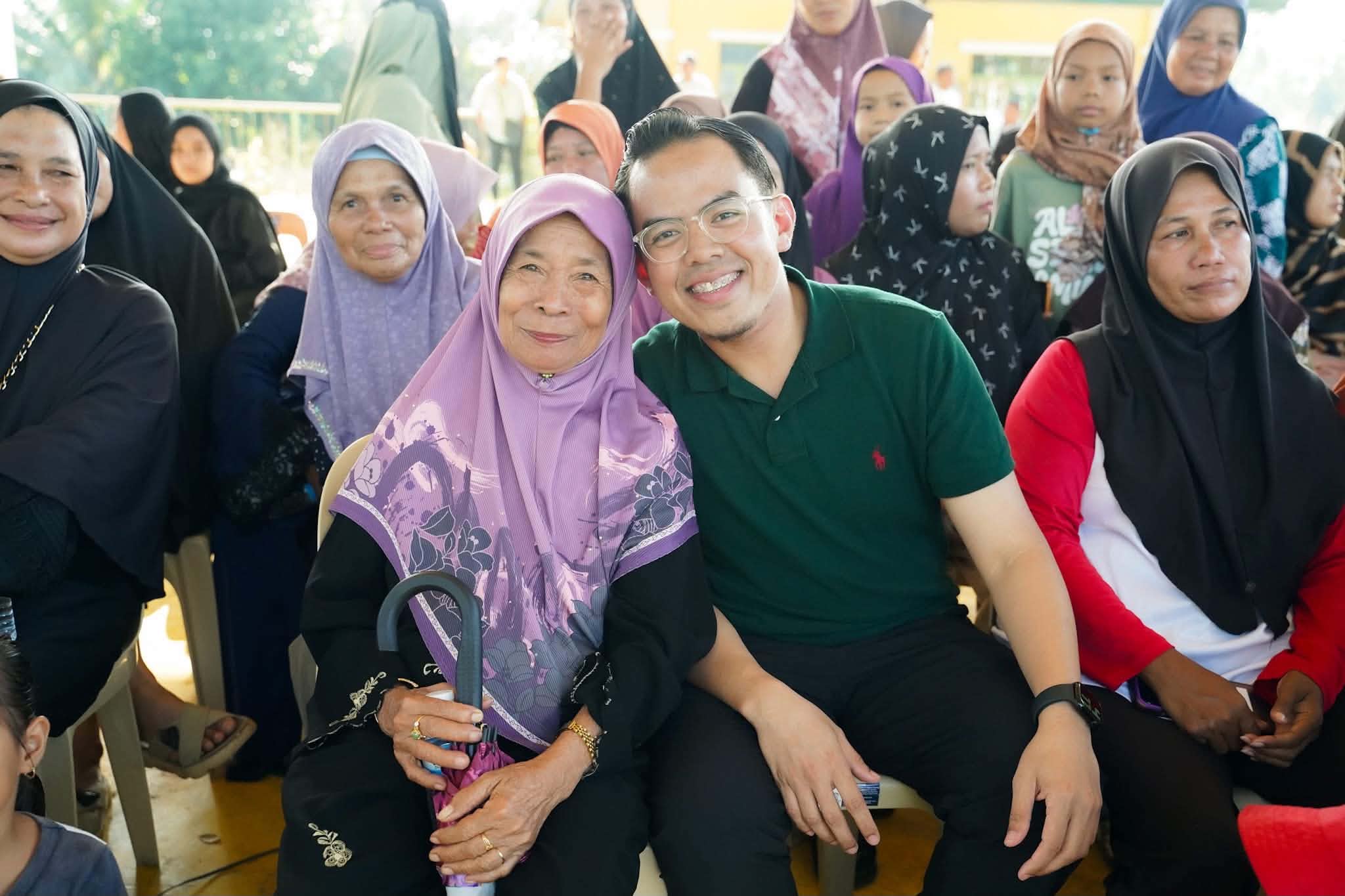
For Deputy Speaker Abrar J. Hataman, that means children whose disabilities have kept them from classrooms, teachers serving in remote island communities, families struggling to make ends meet, aspiring educators who need a helping hand, and communities that too often find themselves beyond the reach of government services. Through his legislative efforts, grassroots initiatives, and international engagements, he is making a case for a kind of leadership that does not stop at promises but seeks to translate advocacy into opportunities for ordinary people.
In a region where so many continue to fight for the most basic necessities, standing up for those who have the least is itself a meaningful form of service. The Bangsamoro needs leaders who see beyond statistics and recognize the human lives behind them. Leaders who understand that the future of the region cannot be built while its most vulnerable remain forgotten. And in taking up that responsibility, MP Abrar J. Hataman is emerging as a new champion of the Bangsamoro—one whose fight is rooted in the belief that every child deserves a future, every teacher deserves dignity, every family deserves hope, and no Bangsamoro should ever be left behind.