What happens when someones biological characteristics do not fit society's expectations of being strictly male or female? For intersex Filipinos, the question extends beyond biology. It involves discrimination, healthcare, family expectations, legal identity, and recognition.
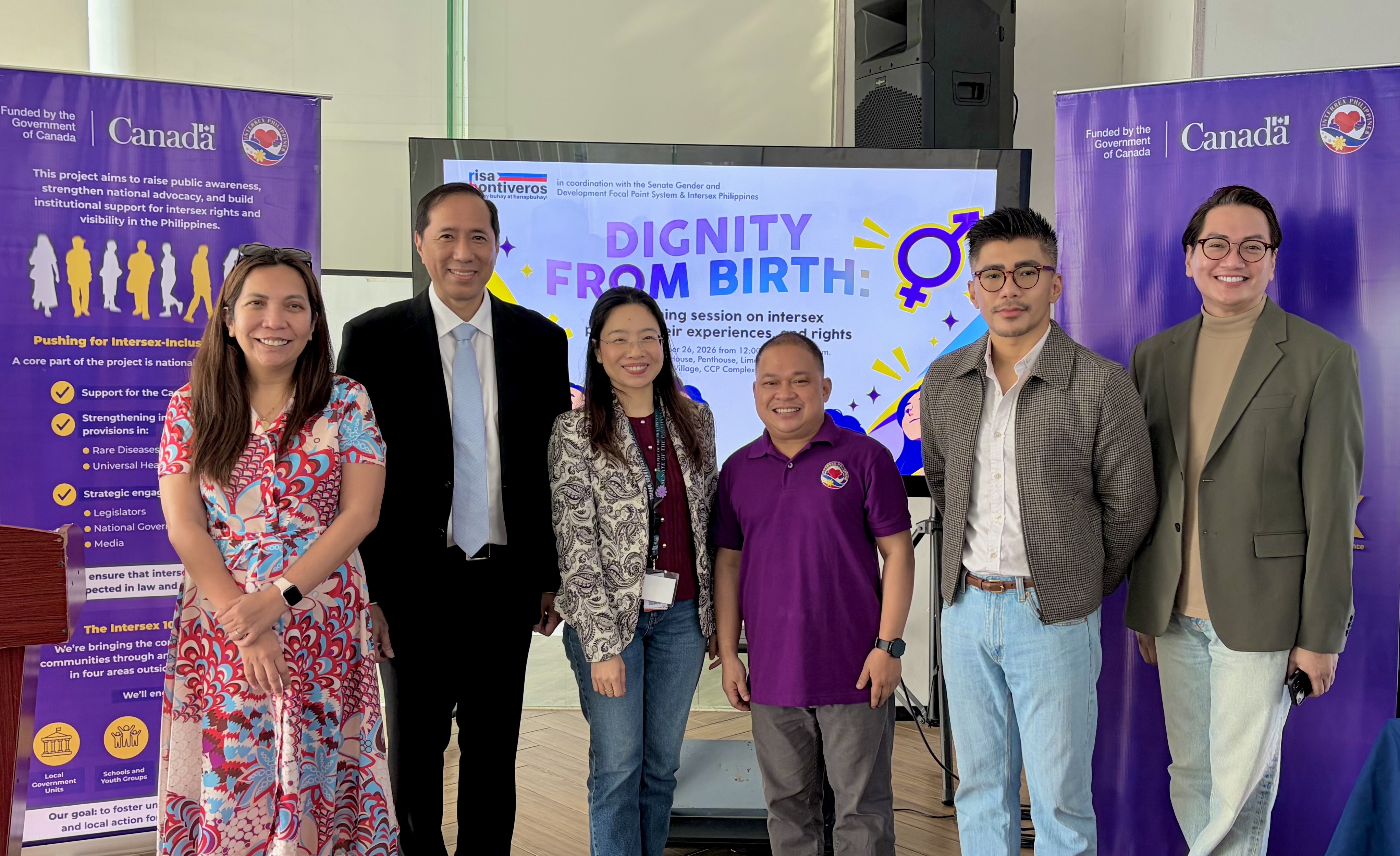
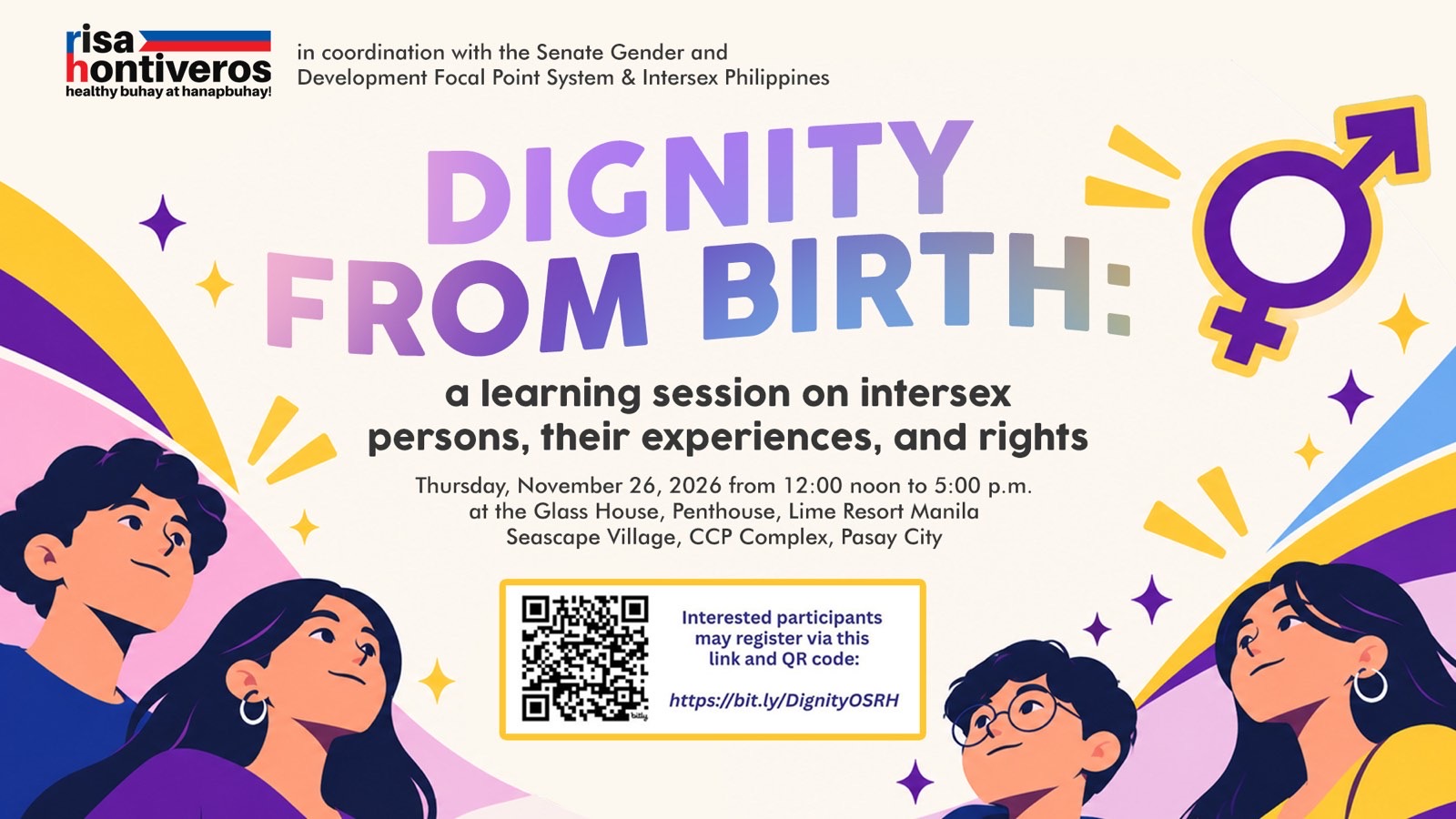
These concerns took center stage on November 26, 2026, during Dignity from Birth: A Learning Session on Intersex Persons, Their Experiences, and Rights, bringing together medical professionals, intersex individuals, families, advocates, legislative representatives and officials at the Philippines Senate.
Understanding Beyond Labels
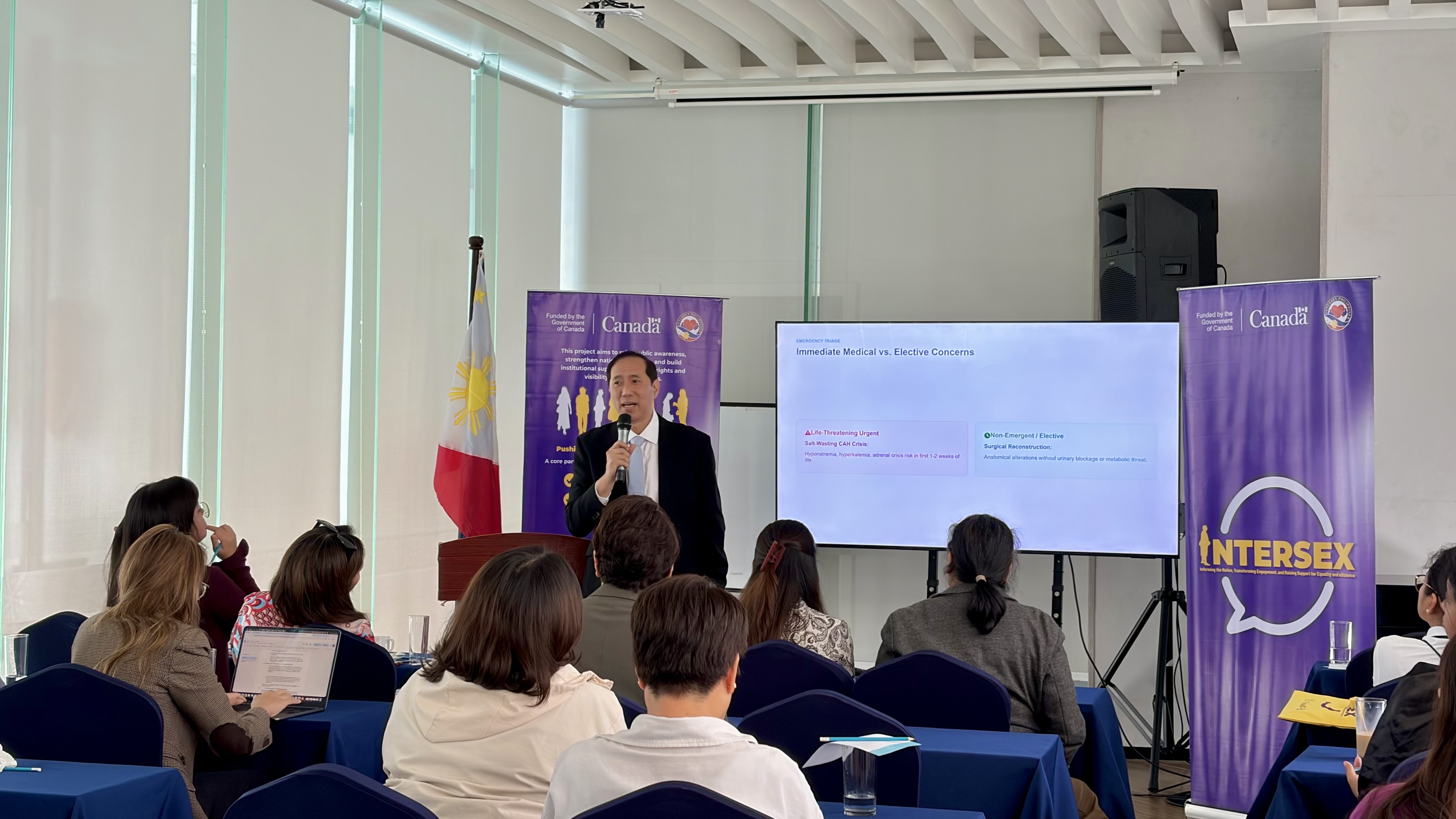
Opening the session, Atty. Sheela Villano-Millera, Chairperson of the Senate Gender and Development Office Focal Point System, helped frame the discussion around dignity, awareness, and institutional responsibility. Dr. Mike Villa of the Philippine College of Endocrinology, Diabetes and Metabolism explained intersex variations involving chromosomes, hormones, and reproductive anatomy.
He highlighted diagnostic complexities, the need for multidisciplinary care, and the limited availability of specialized examinations outside major medical centers. But beyond medical classifications lies a more pressing question: How do these biological variations affect everyday lives?
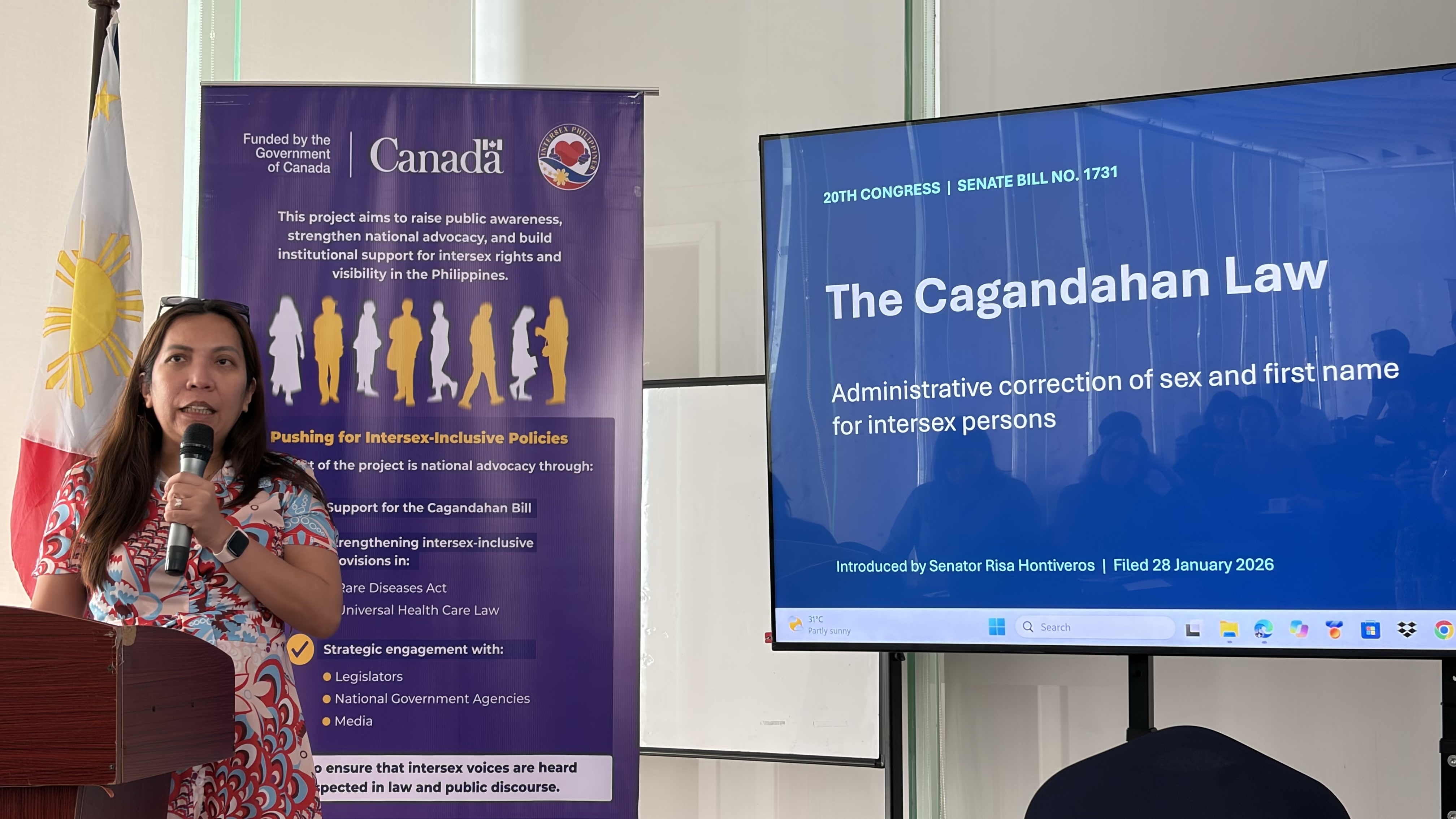
When Discrimination Becomes Personal
Two intersex Filipinos shared experiences of bullying, discrimination, and workplace stereotyping. They described being assigned jobs based on their physical appearance rather than their gender or individual capabilities, illustrating how assumptions about sex and appearance can influence employment opportunities.
Their stories revealed the gap between formal commitments to workplace inclusion and the everyday treatment of people who do not conform to conventional expectations. Both directly appealed to Senate staff, urging their respective senators to expedite the passage of legislation protecting intersex rights. Their appeal shifted the discussion from awareness to a call for legislative action.
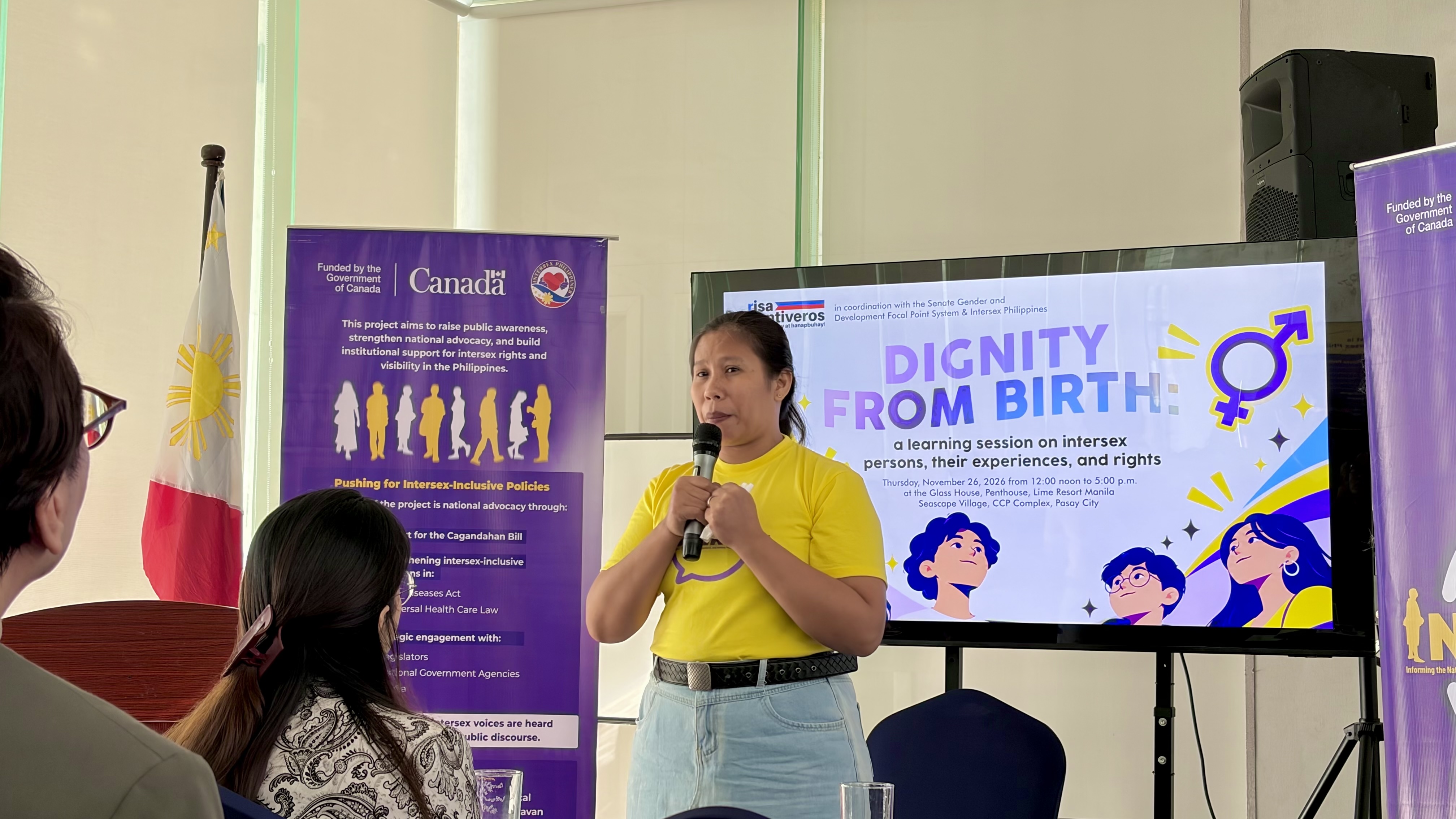
A Mothers Story: The Cost of Survival
Perhaps among the most moving accounts came from the mother of Hero, an intersex child. She recalled how she and her husband struggled to understand their childs medical condition, navigating uncertainty and fear without adequate information.
According to her account, Hero nearly died before the family encountered a doctor who helped them understand the condition and obtain appropriate medical guidance. Surviving that crisis, however, did not end the familys challenges. Hero requires lifelong maintenance medication, whose cost fluctuates depending on supply and pricing. The mother raised a practical question: Could PhilHealth cover this essential lifelong treatment? Her testimony highlighted a dimension of intersex inclusion often overlooked in public discussions: the financial and emotional burden on families managing complex medical needs. It also raised broader questions about access to specialists, affordable medicines, and continuity of care.
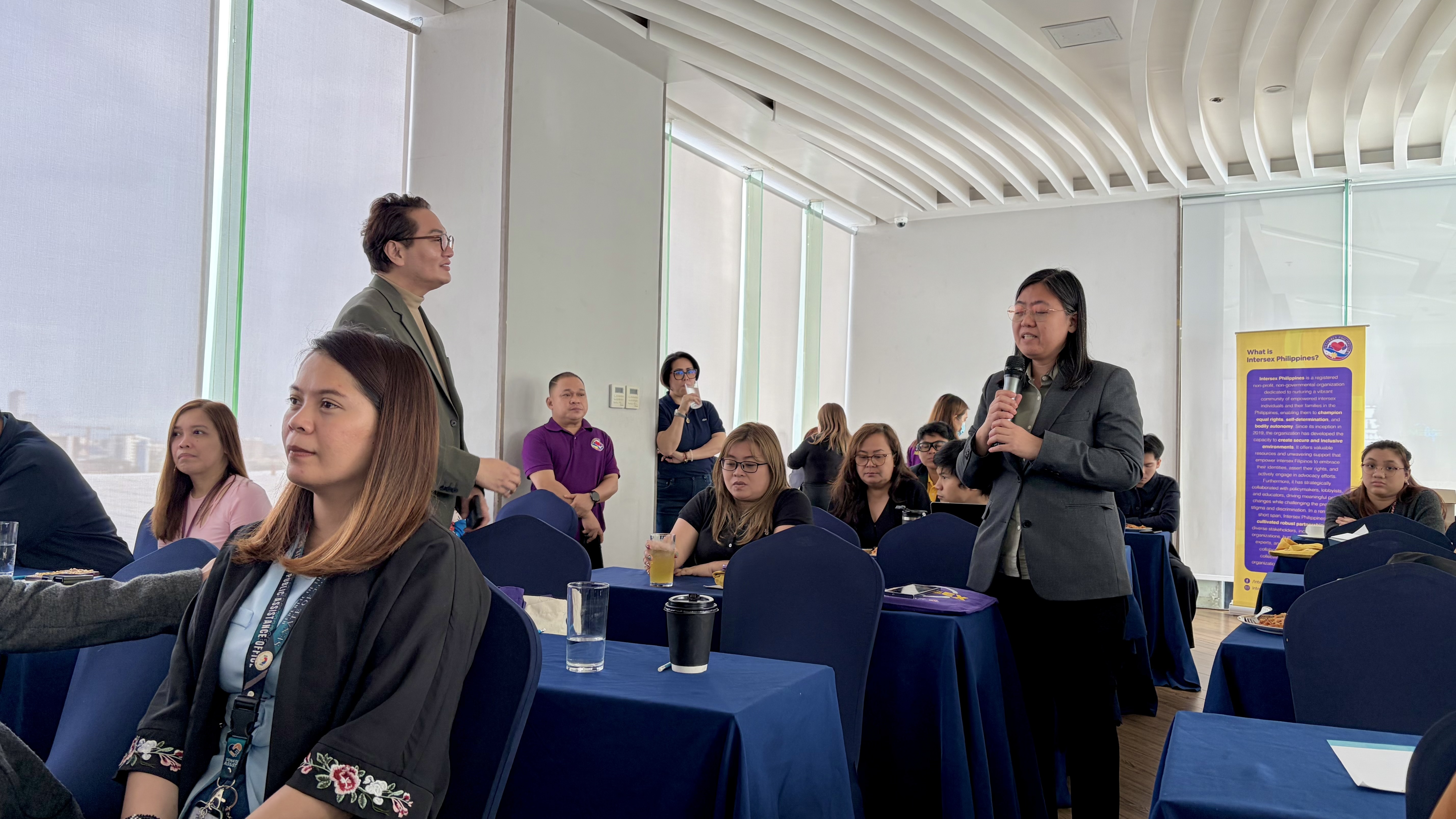
The Cagandahan Law: From Courtroom to Congress
Atty. Jaye Bekeme, Chief of Staff of the Office of Senator Risa Hontiveros, discussed the proposed Cagandahan Law, which would allow eligible intersex Filipinos to correct their sex markers and first names administratively without a court order. Bekeme acknowledged the legislative challenges, emphasizing that the measure does not seek special privileges but equal access to rights. The proposals include Senate Bill No. 1731, filed by Hontiveros, and House Bills introduced by Representatives Perci Cendaña, Chel Diokno and Antonino Tony Roman III.
The legislation takes its name from Jeff Cagandahan, whose landmark 2008 Supreme Court victory permitted the correction of his registered sex and first name. The subsequent open forum examined medical classifications, documentation, privacy, and legal recognition. Beyond Awareness: What Needs to Change?
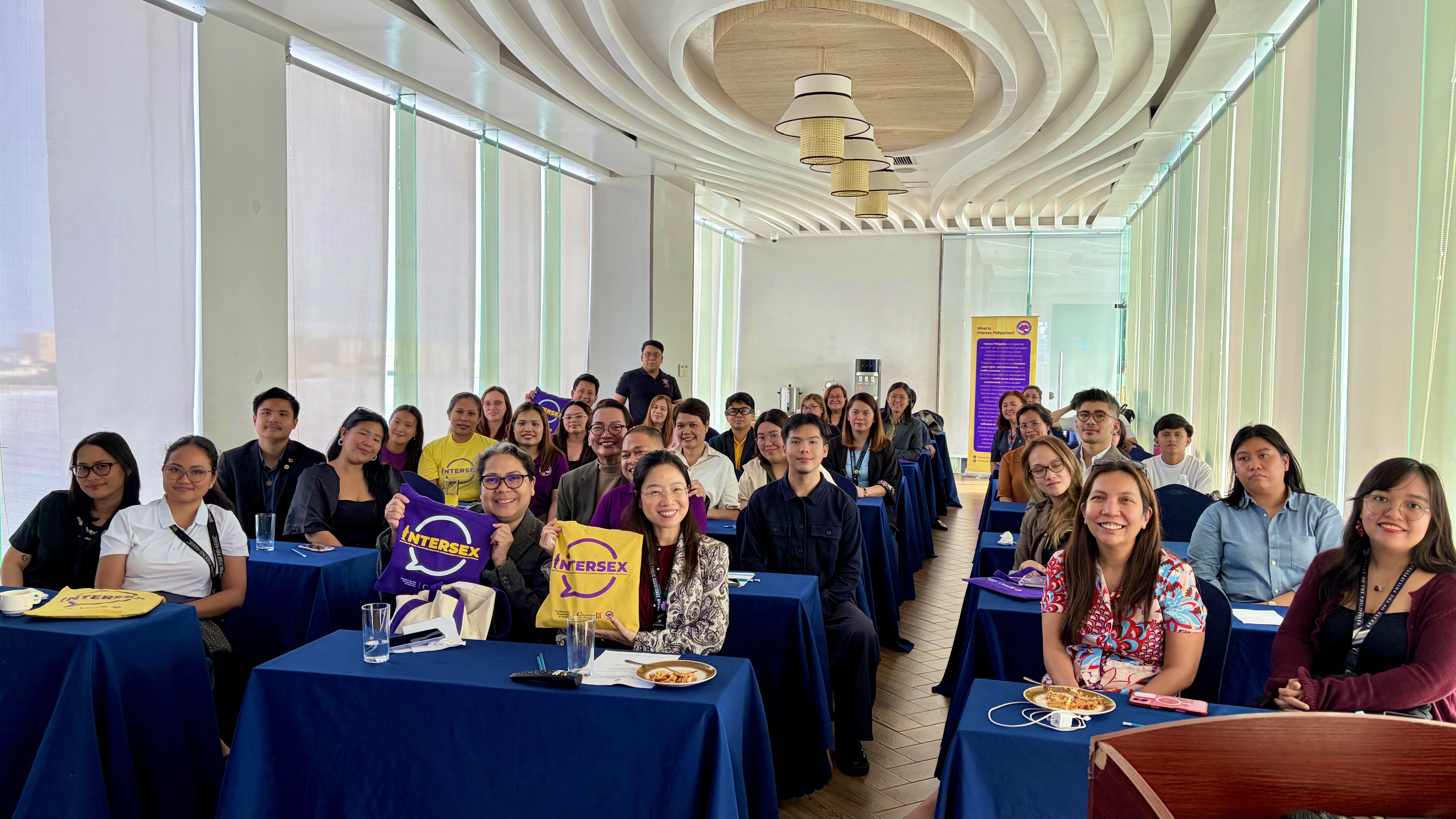
Closing the program, Jeff Cagandahan, Executive Director of Intersex Philippines, highlighted ongoing efforts to translate lived experiences into institutional recognition. The session revealed interconnected challenges: discrimination at work, limited medical access, expensive lifelong treatment, and administrative barriers. It also raised questions that extend beyond the proposed legislation.
Will employers evaluate intersex individuals fairly? Can PhilHealth address medically necessary maintenance treatments? Will families outside major cities receive timely medical guidance? And will lawmakers respond to the personal appeals made before them?
Dignity from birth should mean more than recognition on paper. It must be reflected in healthcare, workplaces, public institutions, and the everyday