Art has always been more than an expression of beauty. At its most powerful, it becomes a language of resistance, a record of collective memory, and a way for ordinary people to make their voices heard. On November 12, 2026, at the National Museum of Natural History in Manila, we witnessed how that power could bring together an entire community of Filipino artists for a cause that extends beyond the walls of galleries and museums.
The occasion was the grand finale and awarding ceremony of the West Philippine Sea (WPS) Mural Festival 2026, an ambitious nationwide artistic initiative carrying a compelling message: KULAYAN, KARAGATAN, KALAYAAN.
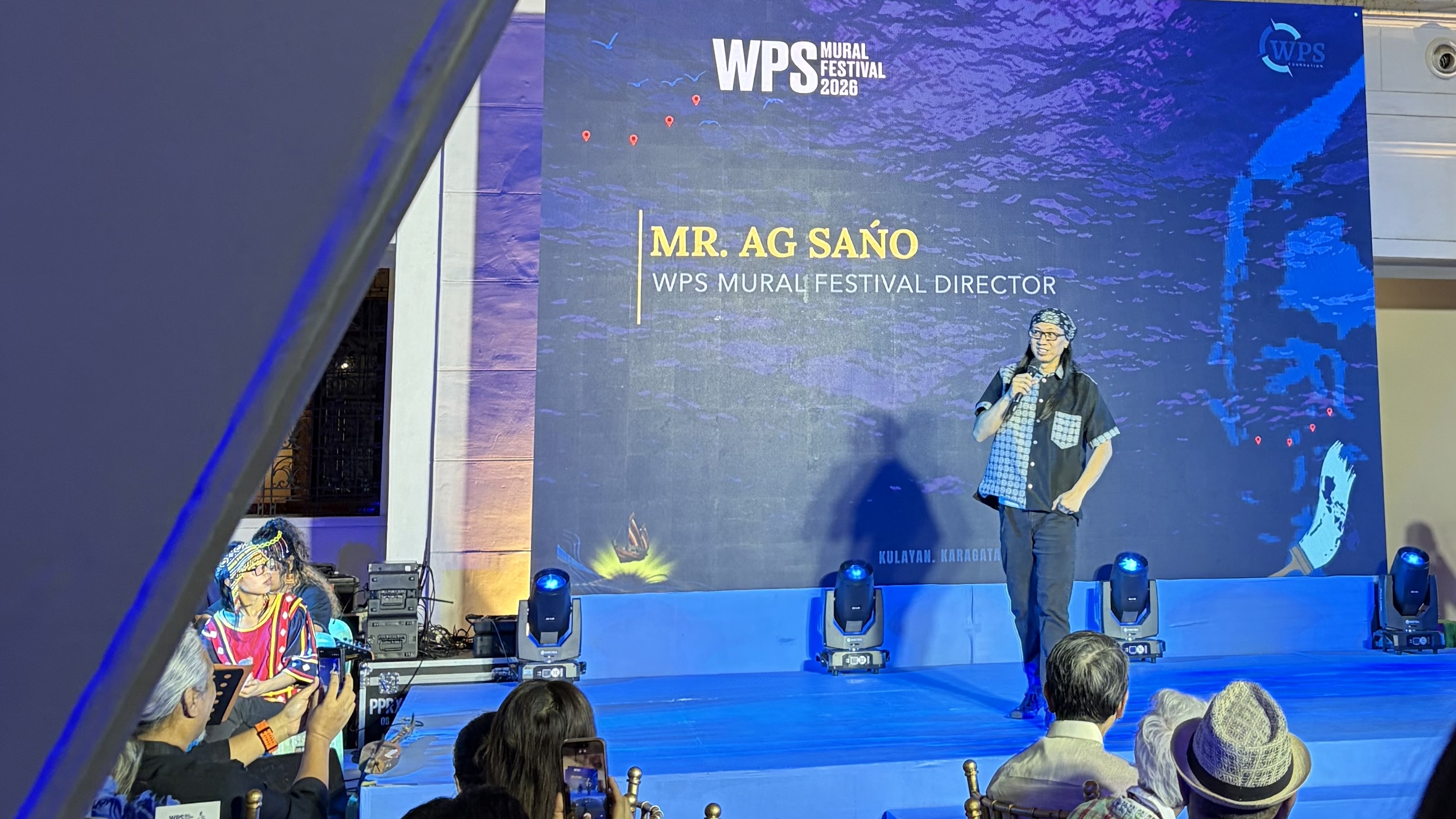
Led by muralist and street artist A.G. Saño, together with the festival's organizing committee, the event brought together artists, cultural workers, advocates, government officials, and public personalities in a celebration of Filipino creativity and national identity.
We have admired A.G. Saño for many years. Among the street artists we have encountered, he is someone whose work and commitment to advocacy we have particularly looked up to. His artistic practice has consistently gone beyond aesthetics, embracing causes that champion peace, equality, environmental protection, and social justice. His work demonstrates that public spaces can become platforms for conversations that society needs to have.
Seeing him take on the role of festival director and successfully mobilize artists from across the country was especially meaningful. It was a different dimension of the artist we had come to admire: not only someone who creates art, but someone who creates opportunities for other artists to participate in something much bigger than themselves.
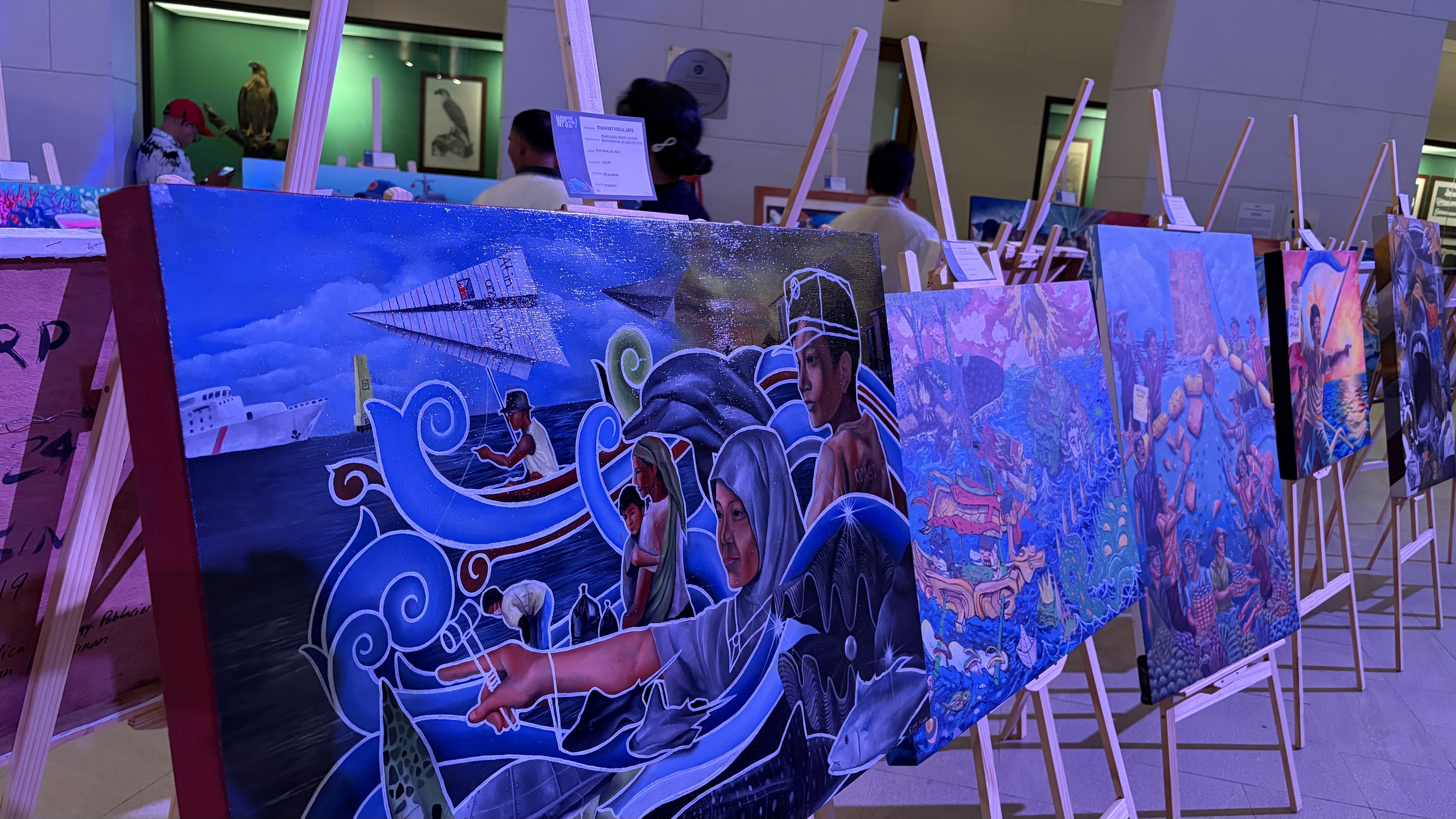
The festival transformed the West Philippine Sea from a subject often confined to news headlines, diplomatic statements, and political discussions into something people could see, interpret, and experience through art.
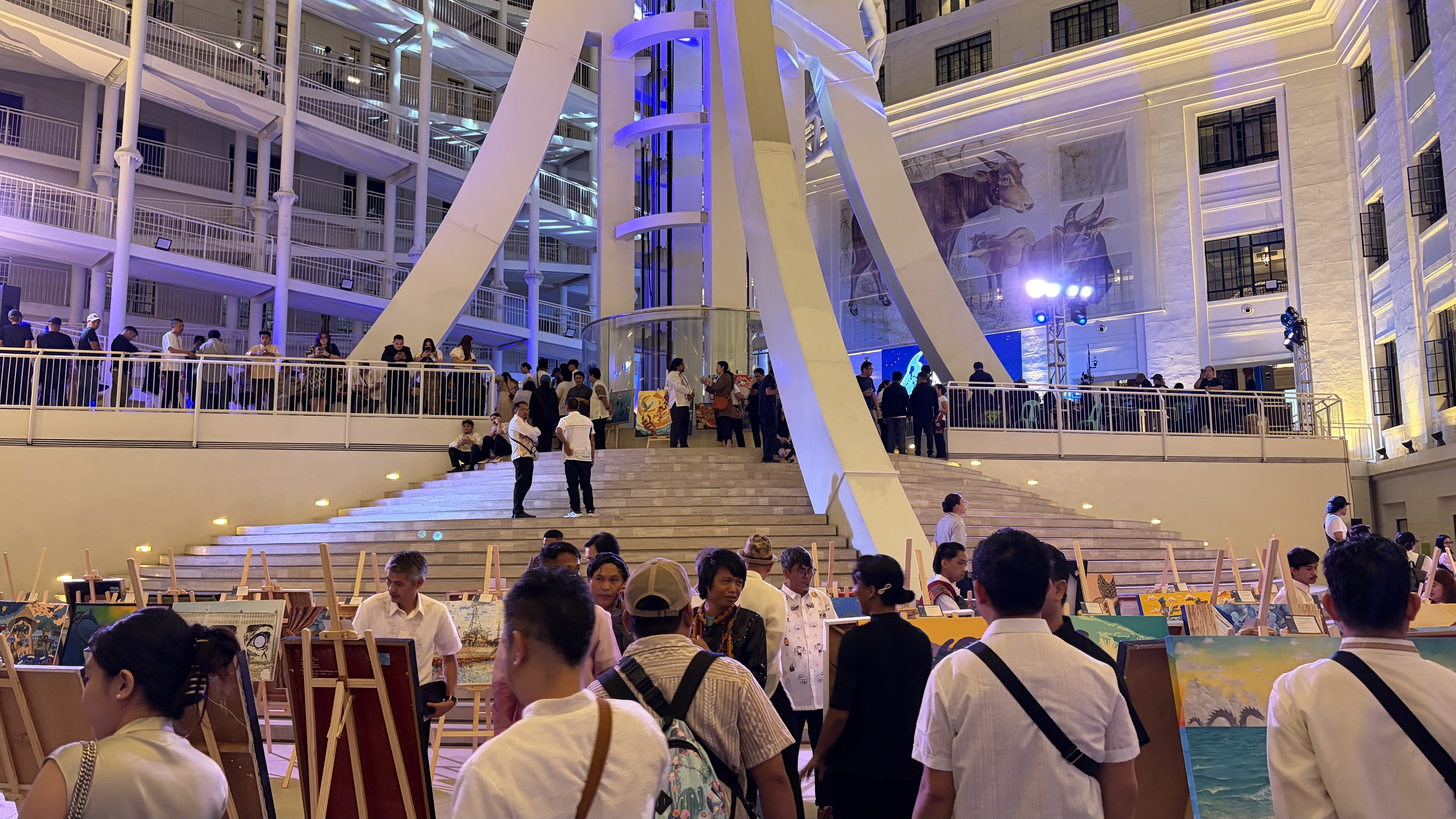
More than 200 entries were submitted by Filipino artists, collectives, students, and community organizations from Luzon, Visayas, and Mindanao. Street painters, muralists, and visual artists brought their interpretations of the country's maritime heritage, sovereignty, coastal communities, and the people whose lives are deeply connected to the sea.
The celebration opened with indigenous musical performances, offering a cultural dimension to an occasion that was fundamentally about Filipino identity. It was a fitting reminder that our relationship with the sea is not simply territorial or political. It is also historical, cultural, and deeply rooted in the lives of generations of Filipino communities.
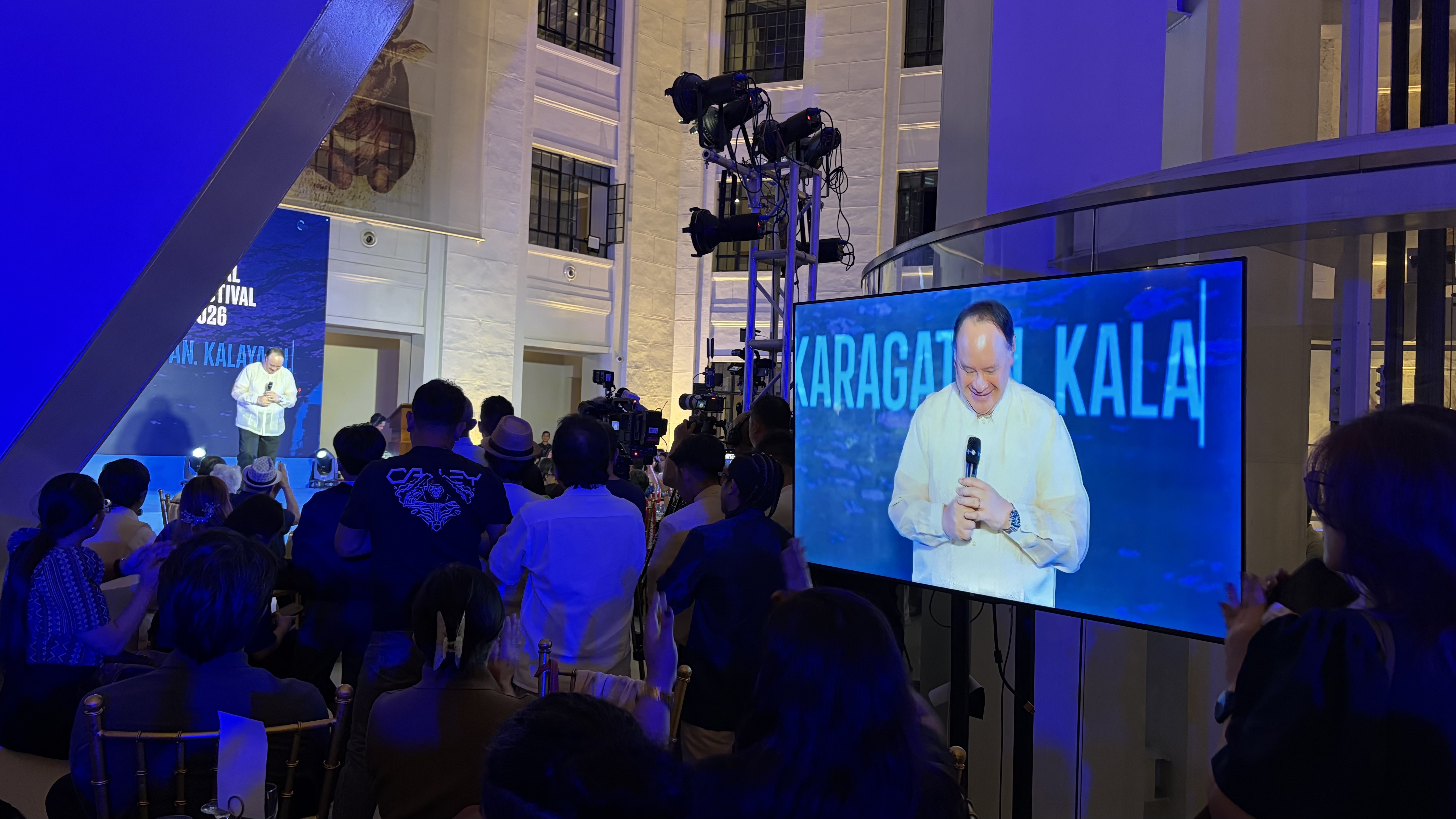
Among the distinguished guests was Secretary of National Defense Gilberto "Gibo" Teodoro Jr., alongside Rear Admiral Jay Tarriela, the Philippine Coast Guard spokesperson for West Philippine Sea concerns. We also had the opportunity to reconnect with journalist Howie Severino and meet familiar personalities from the country's arts and cultural community, including filmmaker Baby Ruth Villarama and actress and cultural advocate Mae Paner.
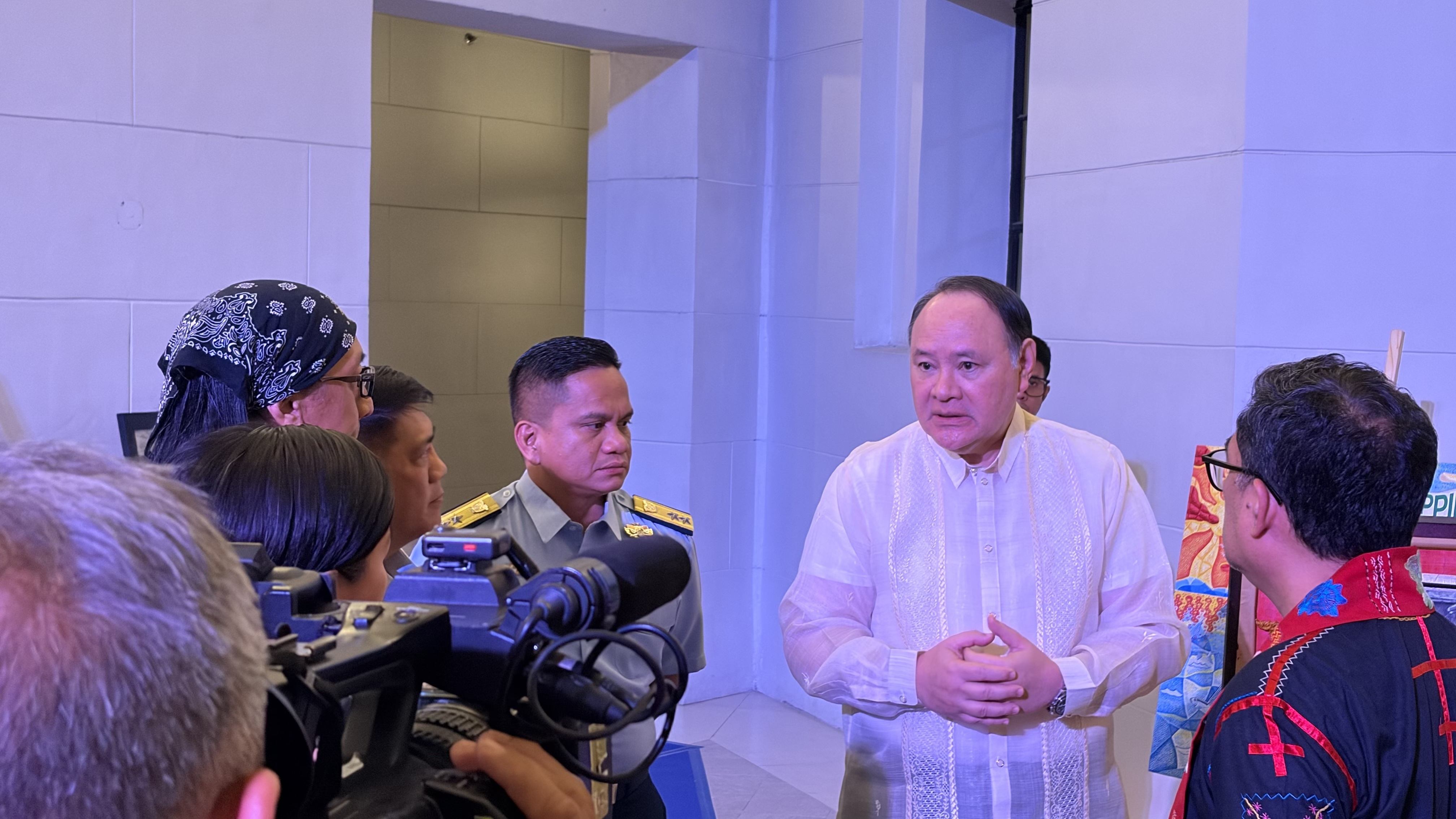
Secretary Teodoro's presence underscored the importance of bringing creative communities into conversations about national sovereignty. During the ceremony, he committed the Department of National Defense to working with the festival organizers and Filipino artists to bring the experience to communities nationwide.
He also praised the festival for presenting the country's realities through a vibrant and positive perspective, encouraging Filipinos to respond to national challenges with courage and action rather than defeatism or surrender. His message recognized something that artists have long understood: the power of storytelling to shape how people see their country and their place in it.
The evening also recognized the outstanding works produced through the competition. The Bernaldez Brothers received the Gawad Hirang Award for their entry, "Sa Manlulupig, Hinding-Hindi Tayo Pasisiil" (Entry No. 123), while Harrison Espina, also known as SC Optimus, received the Community Choice Award for "Iwagayway Sakay sa Makulay na Balangay" (Entry No. 68).
Beyond the awards, what made the gathering remarkable was the collective effort behind it. More than 200 artistic interpretations of one national issue meant more than 200 individual perspectives, stories, and expressions of patriotism. Each artwork offered a different way of understanding what the West Philippine Sea represents to Filipinos.
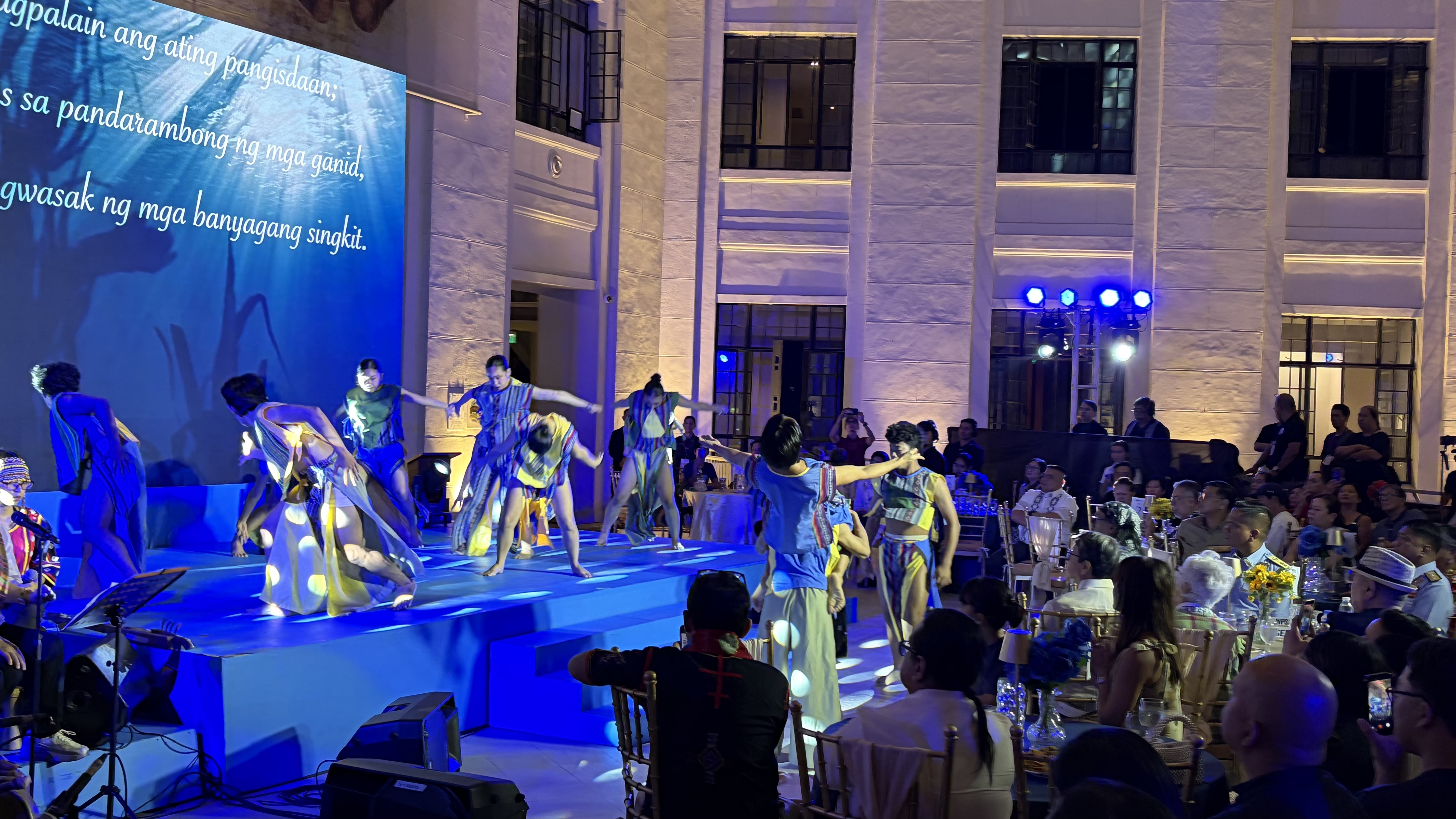
For us, the festival also raised an important question about the place of artists in nation-building. We often associate the defense of national sovereignty with the military, diplomats, policymakers, and government institutions. But there is another front where a country's identity and collective consciousness are shaped: its culture.
Artists have the ability to translate complicated national issues into images, stories, and experiences that people can understand and connect with. A mural on a community wall can reach someone who may never read a policy paper or follow a diplomatic briefing. A painting can make a fisherman’s story visible. A public artwork can remind an entire generation that the sea is part of their history, livelihood, and future.
This is why initiatives like the WPS Mural Festival deserve recognition beyond the art community. They demonstrate that patriotism does not have to be expressed through confrontation or hostility. It can also be expressed through creativity, cultural pride, education, and peaceful assertion of one's rights.
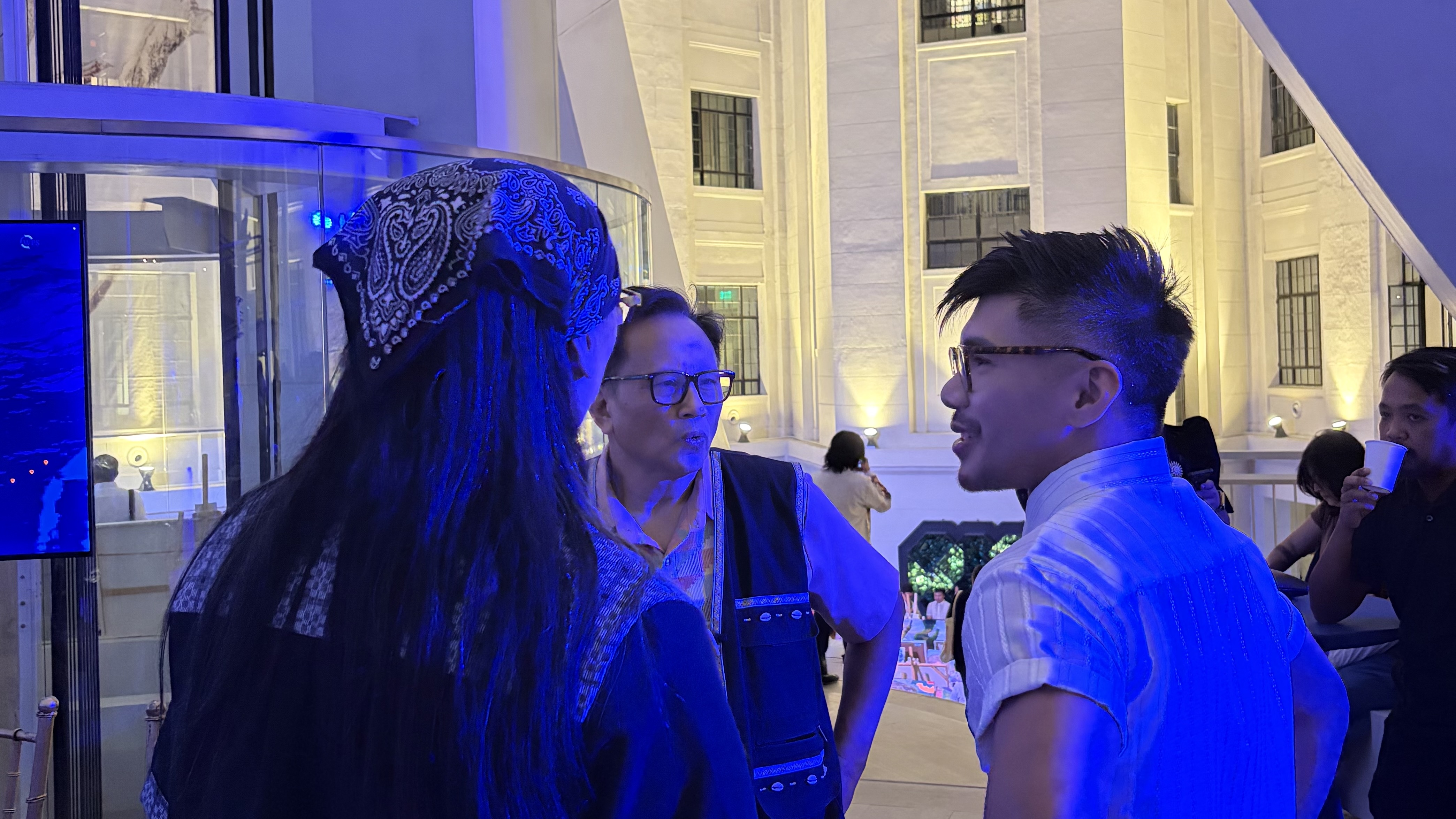
As we watched artists, organizers, cultural workers, and public servants gather around a shared purpose, We were reminded that the arts are not separate from the realities of our country. They are part of how we understand those realities and imagine what comes next.
Perhaps that is the most compelling message of the festival. The West Philippine Sea is not merely a stretch of water to be discussed in political and diplomatic circles. It is part of our national story, and every Filipino has a stake in telling that story.
And sometimes, the most powerful way to make that story heard is not through a microphone or a political speech, but through a brush, a wall, and the courage to put color to conviction.